
Tangaek — Decoctions · Herbs
秦芃 Jingyo (진교)
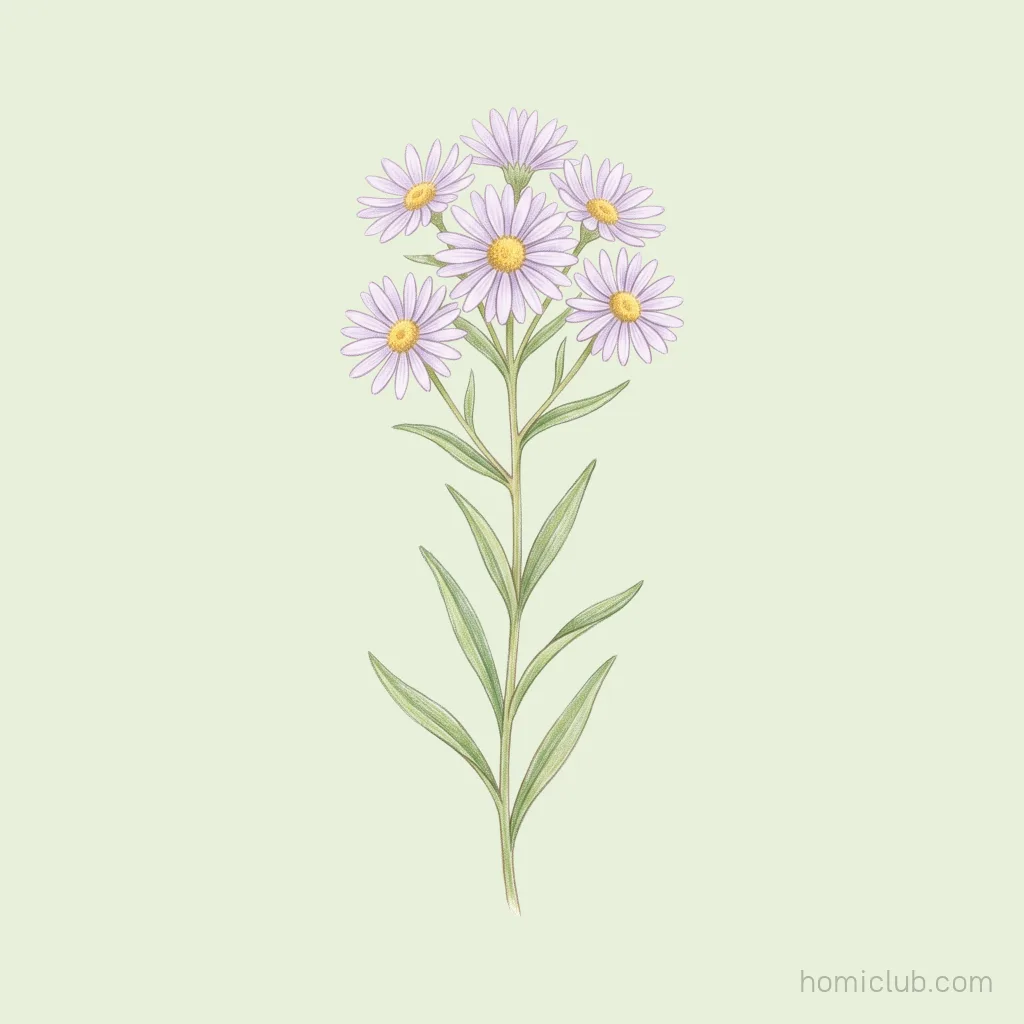
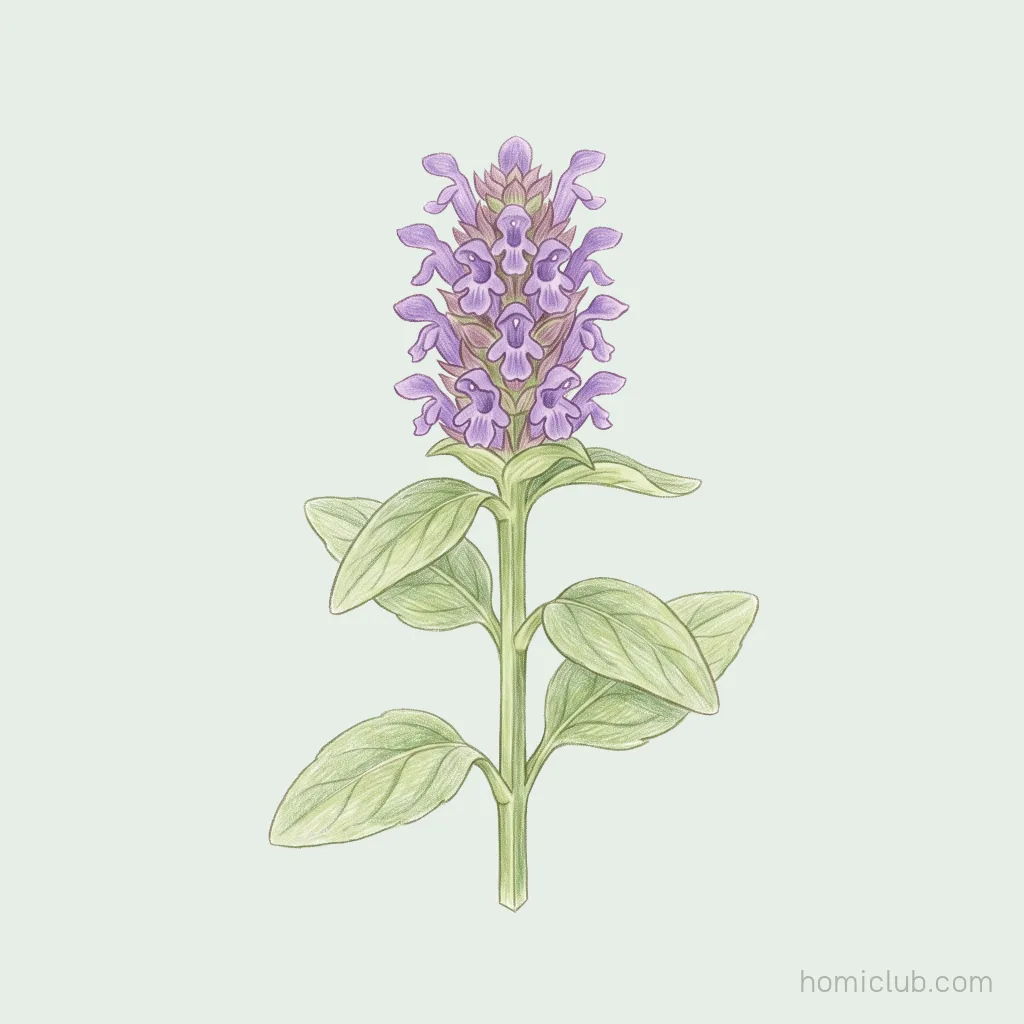
Jingyo is the root of a plant whose earth-yellow roots grow twisted around one another. Also called jingwa, it carries lettuce-like leaves and purple flowers resembling kudzu blossom in the sixth month. In Korean herb markets its name has long overlapped with that of jinbeom.
Original, read line by line 東醫寶鑑 · Tangaek — Decoctions vol. 3
-
性平, 微溫一云冷, 味苦辛, 無毒.
Its nature is neutral and slightly warm, though some say cold. The taste is bitter and pungent, and it is non-toxic.
-
主風寒濕痺.
It treats numbness and pain caused by wind, cold, and dampness.
-
療風無問久新, 通身攣急, 肢節痛.
It cures wind disorders whether old or recent, and relieves whole-body cramping and aching of the limbs and joints.
-
療酒黃, 黃疸, 骨蒸, 利大小便.
It treats alcohol-induced jaundice, common jaundice, and steaming-bone fever, and helps the passage of urine and stool.
-
一名秦瓜, 生山中.
It is also called Qingua, and grows in the mountains.
-
根土黃色而相交紏, 長一尺以來.
The root is earthy yellow, twisted and entwined with itself, and reaches about one foot in length.
-
葉靑如萵苣葉.
The leaves are green, resembling those of lettuce.
-
六月開花, 紫色似葛花, 當月結子.
It blooms in the sixth month with purple flowers resembling kudzu blossoms, and sets seed within the same month.
-
二月八月採根, 暴乾.
The roots are gathered in the second and eighth months and dried in the sun.
-
須用新好羅文者, 佳. 《本草》
One should use freshly dug roots with clear silk-like markings; these are the finest. From the Bencao.
-
手陽明經藥也.
It is a medicine that acts upon the Hand Yangming Large Intestine meridian.
-
治腸風瀉血, 去陽明經風濕.
It treats intestinal-wind bleeding and dispels wind-dampness from the Yangming meridian.
-
水洗去土用之. 《湯液》
Wash with water to remove soil before use. From the Tangye.
Herbs — more entries
This is a cultural and historical record from a classical text, not a claim about any food’s effects. Nothing here is a health supplement or intended to prevent or treat disease. Consult a medical professional about health concerns. · Text: Korean Medicine Classics DB · Reading: Homiclub