
Tangaek — Decoctions · Trees
楮實 Dangnamu Yeolmae (닥나무 열매)
Jeosil is the fruit of the paper mulberry, the very tree whose bark is stripped to make hanji. The text sorts the mottled-barked jeo (楮) from the white-barked gok (穀), and has the fruit gathered in the eighth and ninth months and dried in the sun. Fruit that floated in water was thrown out, the rest steamed with liquor and dried by the fire.
Original, read line by line 東醫寶鑑 · Tangaek — Decoctions vol. 3
-
性寒, 味甘, 無毒. 主陰痿.
Its nature is cold, its taste sweet, and it is non-toxic. It governs eumwi (陰痿, impotence).
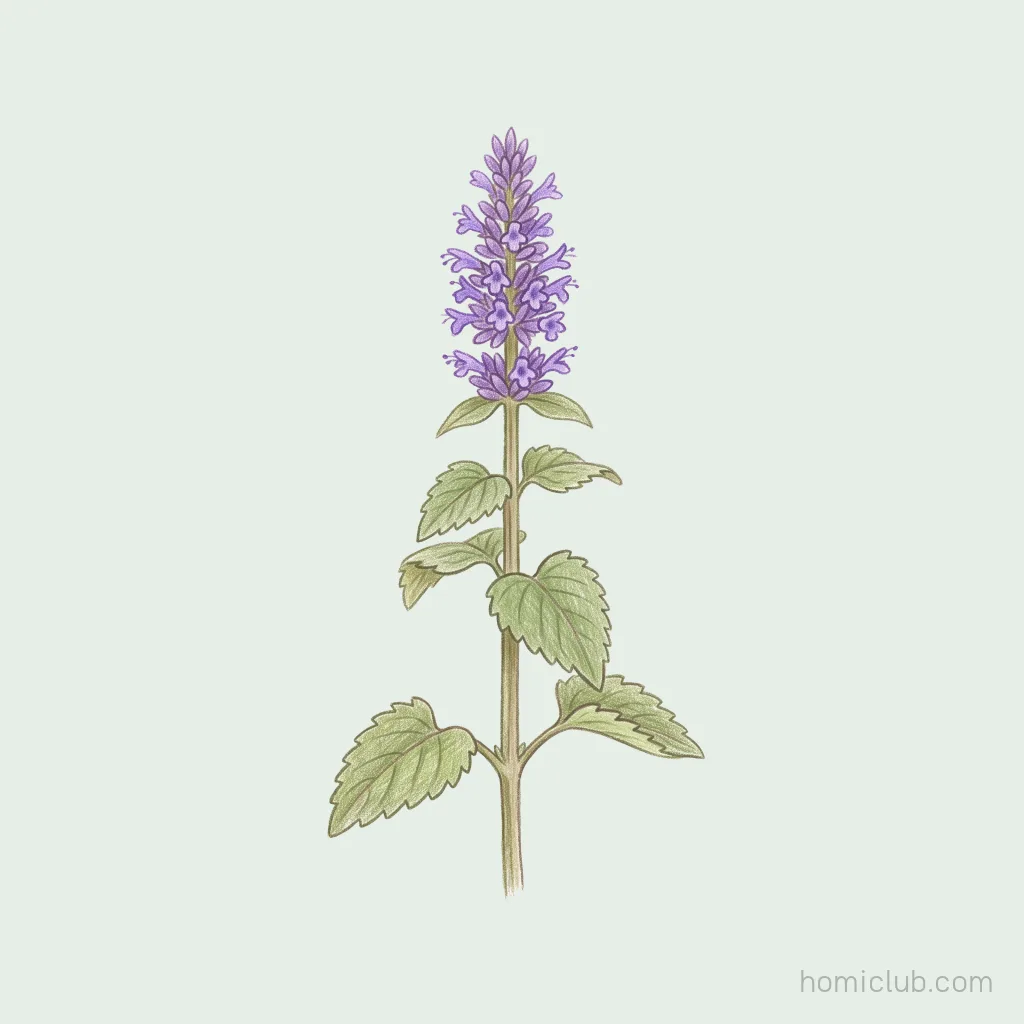
HomiclubThe paper mulberry is a shrub of the mulberry family found on Korean hillsides and at village edges, the very tree whose bark is stripped to make hanji paper. Its fruit ripens red in early summer, knobbly like a raspberry.
-
壯筋骨, 助陽氣, 補虛勞, 煖腰膝, 益顔色, 充肌膚, 明目.
It strengthens sinew and bone, aids yang qi, supplements heoro (虛勞, taxation depletion), warms the lower back and knees, improves the complexion, fills out the flesh, and brightens the eyes.
-
處處有之, 取皮以作紙者. 皮斑者是楮, 皮白者是穀.
It grows everywhere, and it is the tree whose bark is taken to make paper. The one with mottled bark is jeo (楮), and the one with white bark is gok (穀).
-
又曰, 葉有瓣曰楮, 無瓣曰穀. 八月九月採實, 暴乾. 《本草》
It is also said that the one whose leaves have lobes is called jeo (楮) and the one without lobes is called gok (穀). Gather the fruit in the eighth and ninth months and dry it in the sun. 《Boncho (本草)》
HomiclubThe split between jeo (楮) and gok (穀) broadly matches today's distinction between the Korean paper mulberry and the common paper mulberry. A single tree often bears both lobed and unlobed leaves at once, however, so leaf shape alone is an unreliable way to tell them apart.
-
水浸去浮, 酒浸蒸, 焙乾用. 《入門》
Steep it in water and discard what floats, then soak it in wine, steam it, and dry it over a fire before use. 《Immun (入門)》
Trees — more entries
This is a cultural and historical record from a classical text, not a claim about any food’s effects. Nothing here is a health supplement or intended to prevent or treat disease. Consult a medical professional about health concerns. · Text: Korean Medicine Classics DB · Reading: Homiclub