
Tangaek — Decoctions · Trees
桑根白皮 Mulberry
 Related Crop · Mulberry →
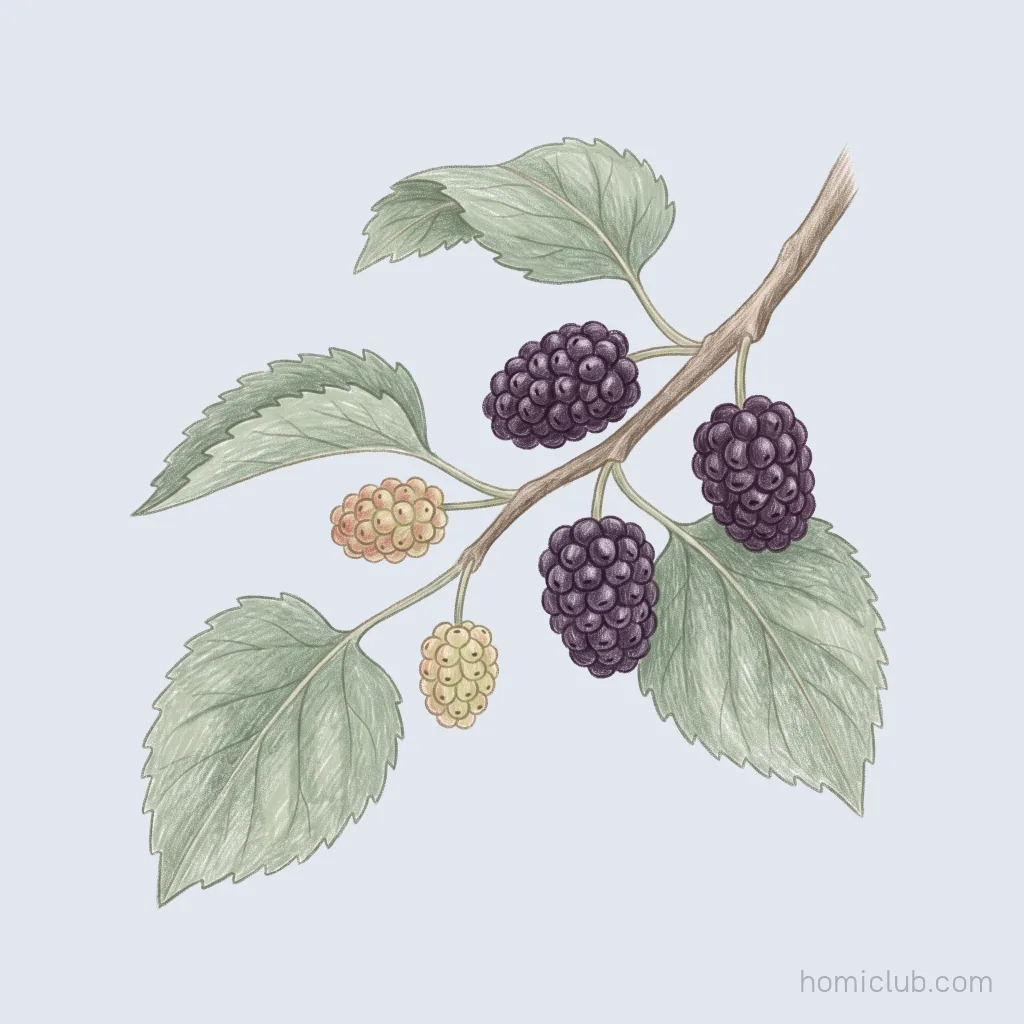
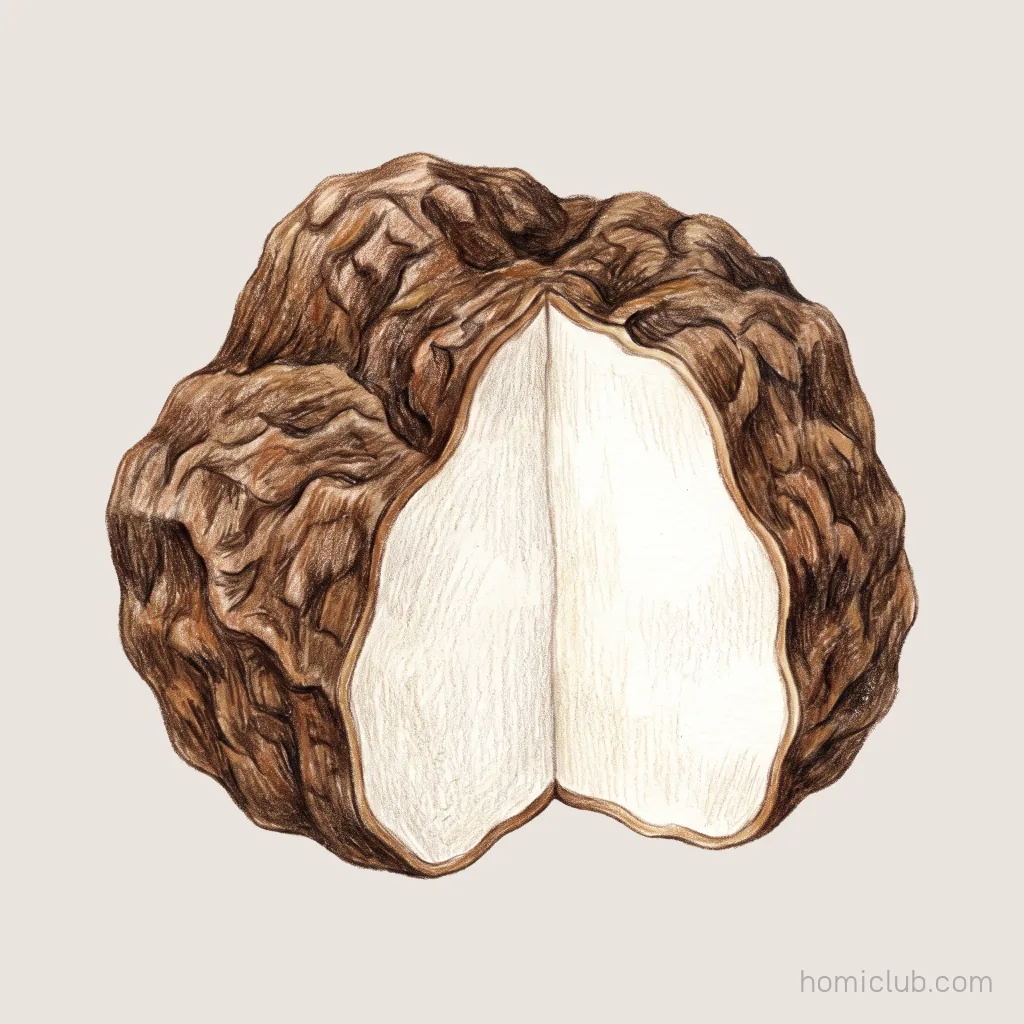
Sanggeunbaekpi is the white inner bark of a mulberry root, taken after the rough outer layer is scraped away with a copper knife. It comes from the same mulberry as in the crop guide, the tree whose leaves feed silkworms and whose black fruit is the odi. Donguibogam gathered the leaf, twig, fruit and root bark into one entry.
Original, read line by line 東醫寶鑑 · Tangaek — Decoctions vol. 3
-
治肺氣喘滿, 水氣浮腫.
It treats panting and fullness from pyegi (肺氣, lung qi) and puffy swelling from sugi (水氣, water qi).
HomiclubSanggeunbaekpi is the white inner bark left after the coarse outer layer is scraped from a mulberry root. The mulberry is the same tree whose leaves feed silkworms and whose fruit is eaten as odi, one of the most familiar trees around Korean homes.
-
消痰止渴, 去肺中水氣, 利水道. 治咳嗽唾血, 利大小腸, 殺腹藏蟲. 又可縫金瘡.
It dissolves phlegm and quells thirst, removes sugi (水氣, water qi) from the lung, and frees the water passages. It addresses cough and the spitting of blood, frees the large and small intestines, and kills worms in the abdomen. It can also be used to sew up a metal-inflicted wound.
-
採無時, 出土者殺人. 初採, 以銅刀刮去上麄皮, 取其裏白, 暴乾. 東行根, 益佳. 《本草》
There is no fixed season for digging it, but a root that has come out above the soil kills people. When freshly dug, scrape off the coarse outer bark with a copper knife, take the white part inside, and dry it in the sun. A root running eastward is finer still. 《Boncho (本草)》
HomiclubThe heart of this preparation lies in rejecting roots exposed above ground and in using a copper knife rather than an iron one. Prizing an eastward-running root reflects an old regard for the side where the sun rises.
-
入手太陰經, 瀉肺氣之有餘. 利水生用, 咳嗽蜜蒸或炒用. 《入門》
It enters the hand taeeum channel (手太陰經) and drains the surplus of pyegi (肺氣, lung qi). For promoting water flow use it raw; for cough steam it with honey or roast it. 《Immun (入門)》
Related Crop
Mulberry →
Trees — more entries
This is a cultural and historical record from a classical text, not a claim about any food’s effects. Nothing here is a health supplement or intended to prevent or treat disease. Consult a medical professional about health concerns. · Text: Korean Medicine Classics DB · Reading: Homiclub