
탕액편 · 초부 (풀)
白蒿 흰쑥 (백호)
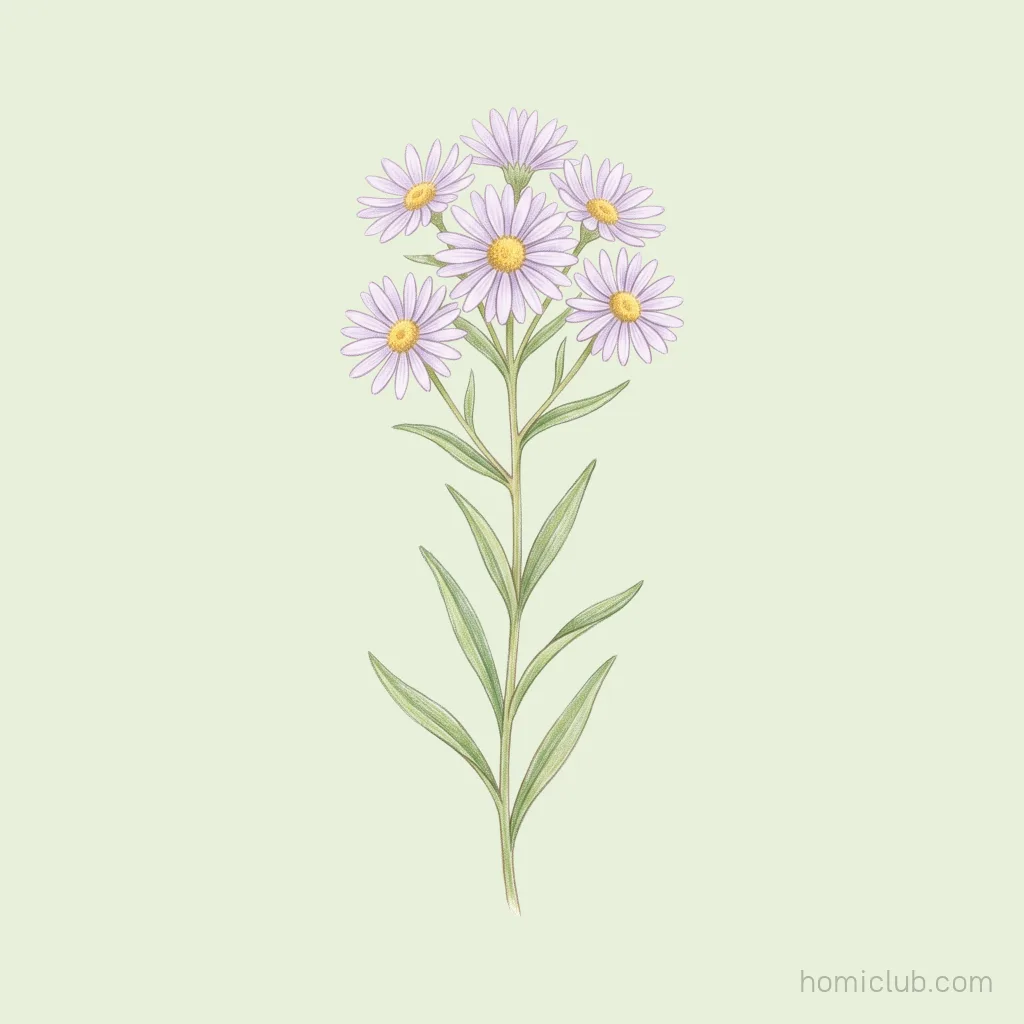
백호는 봉호(蓬蒿)라고도 하는 쑥 무리의 풀이다. 잎 위에 흰 털이 얽혀 까칠하고 가는 쑥을 자못 닮았으며, 이른 봄 여러 풀 가운데 가장 먼저 돋는다. 이월에 뜯어 식초에 절여 김치로 담가 먹었다.
원문 풀이 東醫寶鑑 · 탕액편 권3
-
性平, 味甘, 無毒.
성평, 미감, 무독.
성질이 평하고 맛은 달며 독이 없습니다.
-
主五藏邪氣, 風寒濕痺.
주오장사기, 풍한습비.
오장의 사기와 풍·한·습으로 저린 것을 주로 다스립니다.
-
療心懸少食常飢.
요심현소식상기.
가슴이 매달린 듯하고 적게 먹는데도 늘 배고픈 것을 치료합니다.
-
白蒿, 蓬蒿也. 所在皆有.
백호, 봉호야. 소재개유.
백호는 봉호입니다. 있는 곳마다 다 있습니다.
-
春初最先諸草而生, 上有白毛錯澁, 頗似細艾.
춘초최선제초이생, 상유백모착삽, 파사세애.
이른 봄에 여러 풀 가운데 가장 먼저 돋고, 위에는 흰 털이 얽혀 까칠하며, 가는 쑥과 자못 비슷합니다.
호미클럽 풀이잎과 줄기를 덮은 흰 솜털 때문에 멀리서 보면 포기 전체가 희읍스름합니다.
-
二月採, 自春及秋, 香美可食.
이월채, 자춘급추, 향미가식.
이월에 뜯으며, 봄부터 가을까지 향기롭고 맛이 좋아 먹을 만합니다.
-
醋淹爲菹, 甚益人. 《本草》
초엄위저, 심익인. 《본초》
식초에 절여 김치를 담그면 사람에게 매우 이롭습니다. 《본초》
호미클럽 풀이봄에 뜯어 데친 뒤 무치거나 절여 먹는 방식은 오늘날 쑥 나물을 다루는 손과 다르지 않습니다.
초부 (풀) 의 다른 항목
옛 문헌을 문화·역사 자료로 옮긴 것이며, 특정 식품의 효능을 주장하지 않습니다. 여기 소개된 것은 건강기능식품이 아니고 질병의 예방·치료를 위한 것이 아닙니다. 건강 문제는 의료 전문가와 상담하세요. · 동의보감(자체 풀이)