
Tangaek — Decoctions · Herbs
茅香花 Mohyanghwa (모향화)

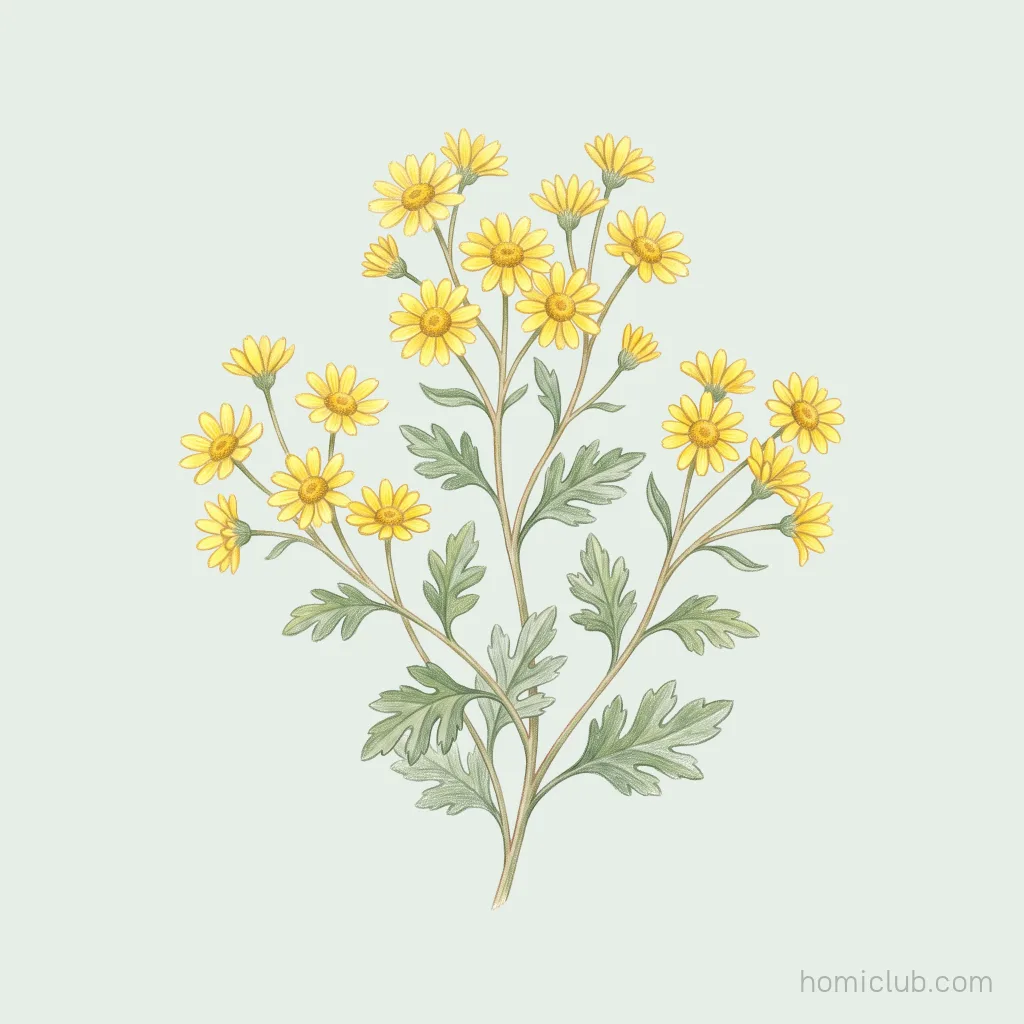
Mohyanghwa is the white flower of a grass that the old Korean gloss calls 'white tti flower'. In present-day Chinese plant names 茅香 is Hierochloe odorata, a grass distinct from tti, cogongrass (Imperata cylindrica). Its shoots look like barley, its stems and leaves are brown-black, and only the flower opens white. Roots were dug in the first two months and flowers picked in the fifth; the root, baengmohyang, was boiled for bathwater.
Original, read line by line 東醫寶鑑 · Tangaek — Decoctions vol. 3
-
性溫, 味苦, 無毒.
Its nature is warm, its taste bitter, and it has no toxicity.
-
止吐血鼻衄, 付灸瘡金瘡, 止血及痛.
It stops vomiting of blood and nosebleed; applied to moxibustion sores and metal wounds, it stops bleeding and pain.
-
苗似大麥, 五月開白花.
Its sprouts resemble barley, and it opens white flowers in the fifth month.
HomiclubIn present-day Chinese plant names, 茅香 refers to Hierochloe odorata (also Anthoxanthum nitens), a perennial of the grass family (Poaceae). It grows across northern Eurasia and North America, owes its sweet scent to coumarin, and is known as the grass that flavours Polish bison grass vodka. The tti in the Korean heading name, "white tti flower," is the name of a different grass, Imperata cylindrica.
-
正月二月採根, 五月採花, 八月採苗.
The root is dug in the first and second months, the flowers are gathered in the fifth, and the sprouts in the eighth.
-
其莖葉黑褐而花白.
Its stems and leaves are blackish-brown and its flowers white.
-
隨處有之. 《本草》
It is found everywhere. 《Boncho (本草)》
-
白茅香, 性平, 味甘, 明潔而長.
Baengmohyang (白茅香) is neutral in nature and sweet in taste, bright, clean and long.
-
作湯浴, 辟邪氣, 令人身香.
Made into a bath decoction, it wards off evil qi (邪氣) and makes the body fragrant.
-
卽根也. 《本草》
It is the root. 《Boncho (本草)》
Herbs — more entries
This is a cultural and historical record from a classical text, not a claim about any food’s effects. Nothing here is a health supplement or intended to prevent or treat disease. Consult a medical professional about health concerns. · Text: Korean Medicine Classics DB, collated with the Jangseogak copy of the 1613 wooden movable-type edition · Reading: Homiclub