
Tangaek — Decoctions · Herbs
狼牙 Nangacho (낭아초)
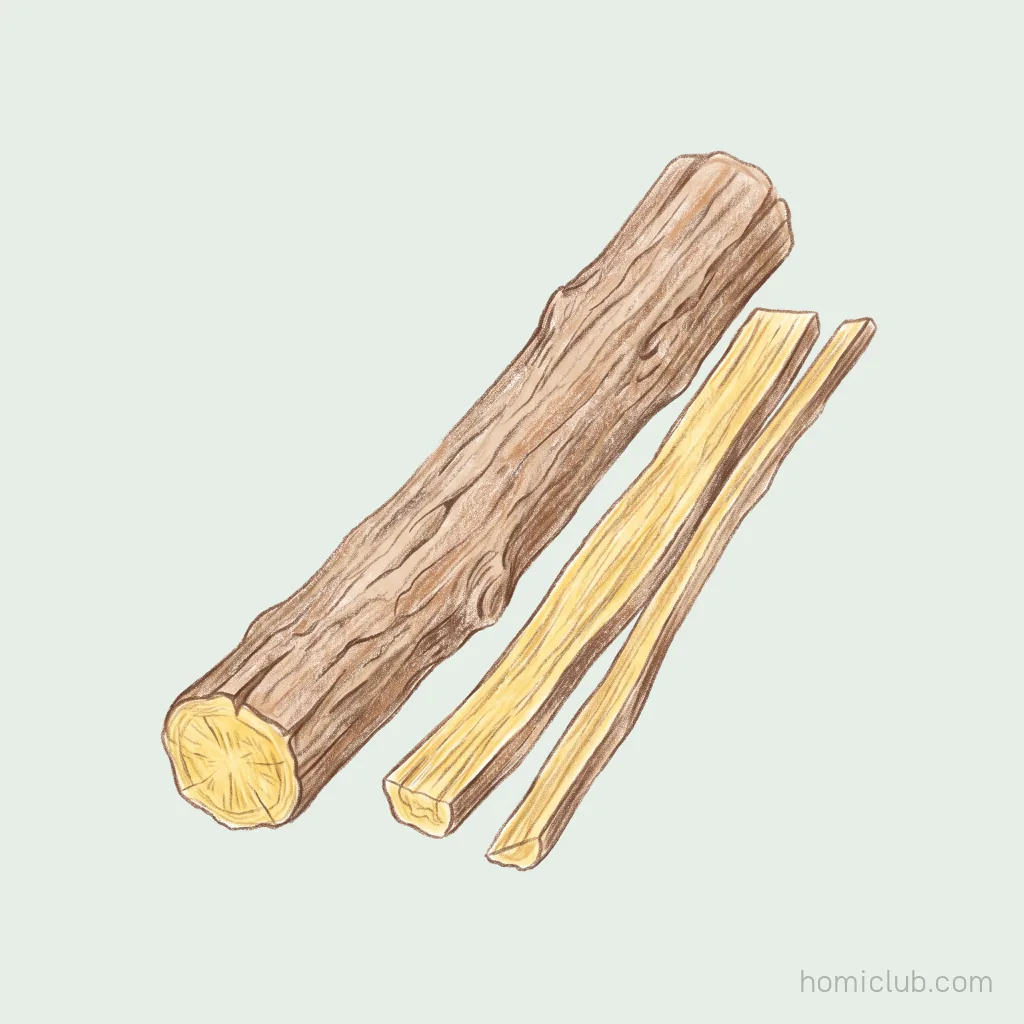
Nanga is a root dug in the second and eighth months and sun-dried; in Korean it goes by nangacho. Black and jagged, it looks like an animal's fang, which is just what the name says: wolf's tooth. The old text warns flatly that damp, rotted, mold-grown pieces are lethal.
Original, read line by line 東醫寶鑑 · Tangaek — Decoctions vol. 3
-
性寒, 味苦酸, 有毒.
Its nature is cold, its taste bitter and sour, and it is toxic. The cold nature with bitter flavor clears heat-toxins, but its toxicity demands careful handling.
-
主疥瘙惡瘍瘡痔, 殺寸白蟲, 及腹中一切蟲.
It treats scabies and itching, malignant sores, ulcers, and hemorrhoids, and kills tapeworms along with all intestinal parasites. It serves as both a topical remedy for skin afflictions and an internal vermifuge.
-
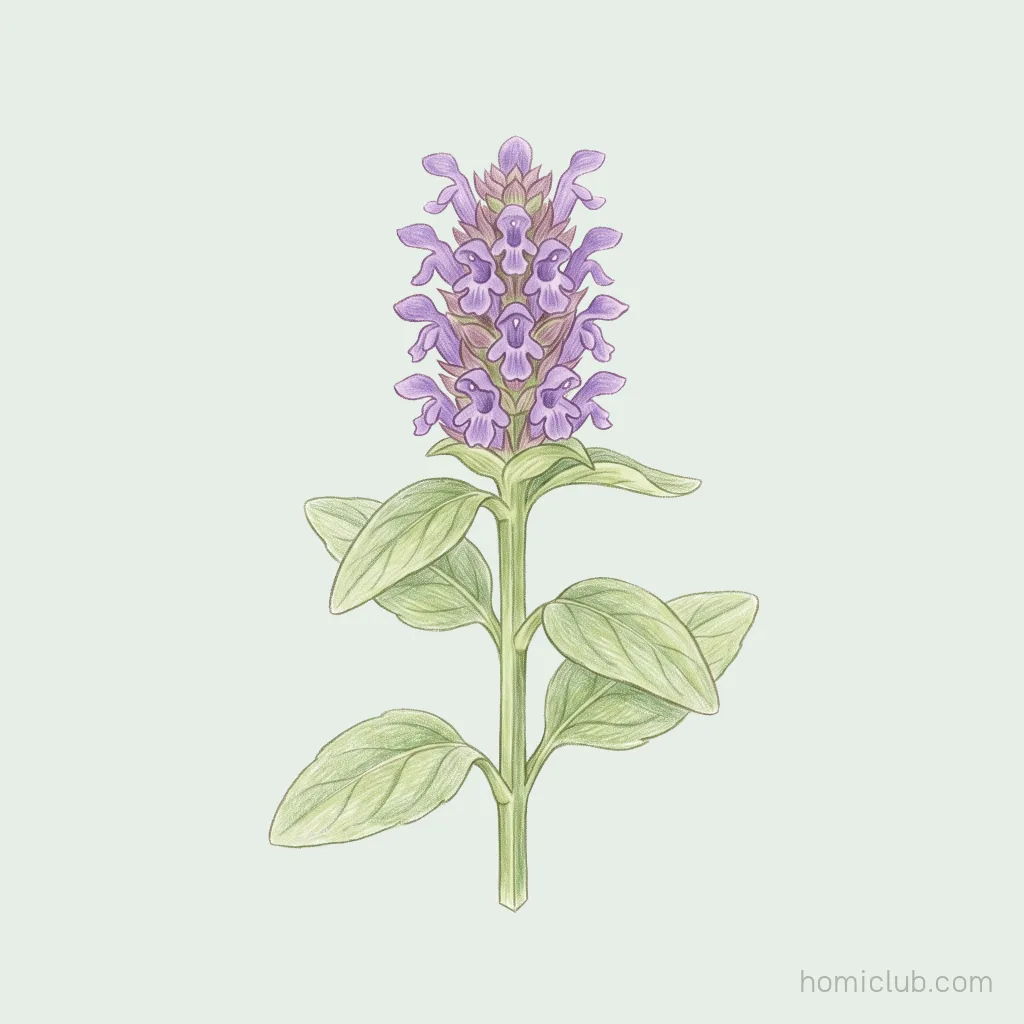
苗似蛇莓而厚大, 深綠色,
Its sprouts resemble snake-strawberry but are thicker and larger, with a deep green hue. In the field it is easily confused with snake-strawberry, so one must examine leaf thickness and color carefully.
-
根黑若獸之齒牙, 故以名之.
The root is black and resembles a beast's fang, which is why it bears the name langya, meaning wolf's tooth. It shows how the ancients named herbs by their visible form.
-
一名牙子, 二月八月採根, 暴乾.
It is also called yazi; the root is dug in the second and eighth months and dried in the sun. These spring and autumn windows are when the root's potency is most concentrated.
-
中濕腐爛生衣者, 殺人. 《本草》
If it has been dampened, rotted, or grown mold, it can kill — extreme caution is required. The Bencao warns that with this herb, storage condition itself becomes a matter of life and death.
Herbs — more entries
This is a cultural and historical record from a classical text, not a claim about any food’s effects. Nothing here is a health supplement or intended to prevent or treat disease. Consult a medical professional about health concerns. · Text: Korean Medicine Classics DB · Reading: Homiclub