
Tangaek — Decoctions · Herbs
苦參 Neosam (너삼)
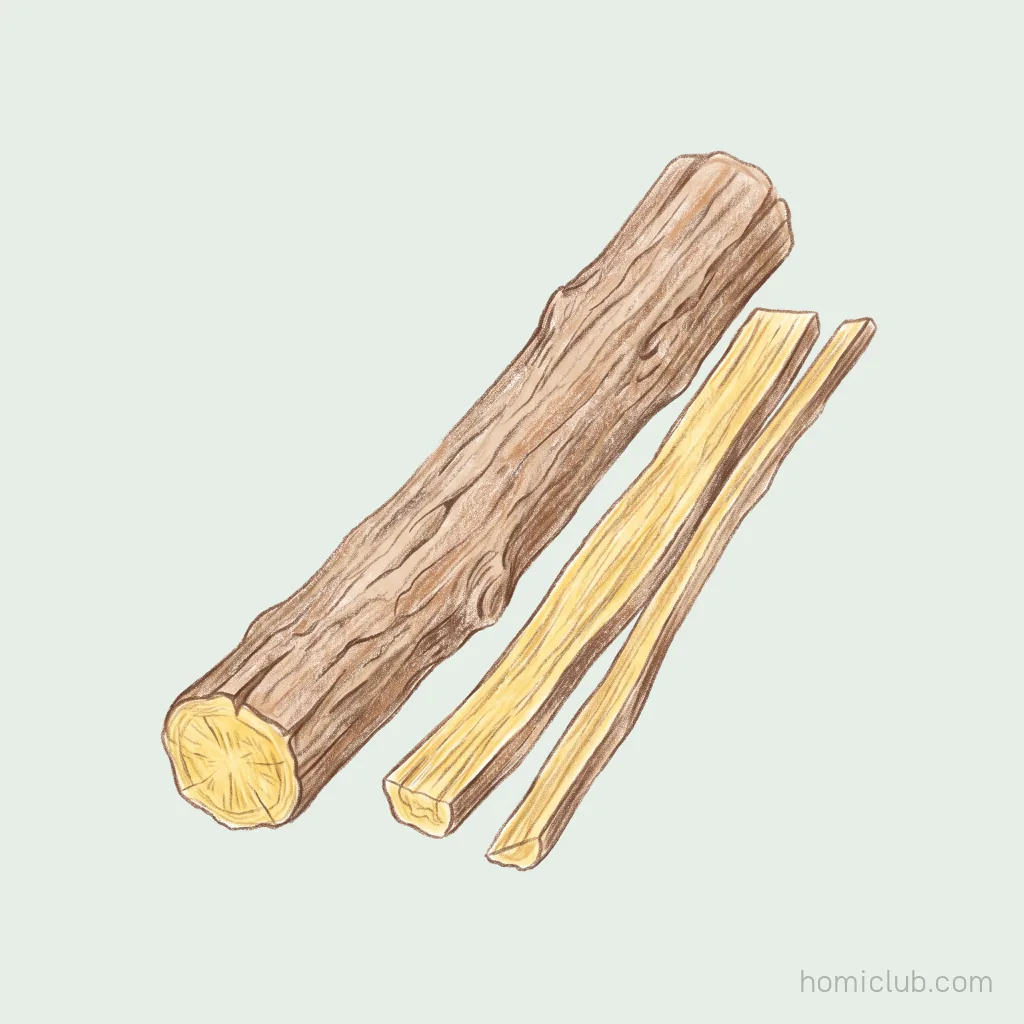
Gosam is the root of a legume, called neosam in Korean. Its Chinese name means bitter ginseng, and the root lives up to it. The Dongui Bogam records the alternate names sugoe and jigoe, given because the leaves resemble a pagoda tree's, and says the root is dug and dried in the sun.
Original, read line by line 東醫寶鑑 · Tangaek — Decoctions vol. 3
-
性寒, 味苦, 無毒. 治熱毒風, 皮肌生瘡, 赤癩眉脫.
Its nature is cold, its taste bitter, and it is non-toxic. It treats heat toxin and wind, sores arising on the skin, and loss of the eyebrows from jeongna (赤癩, red leprosy).
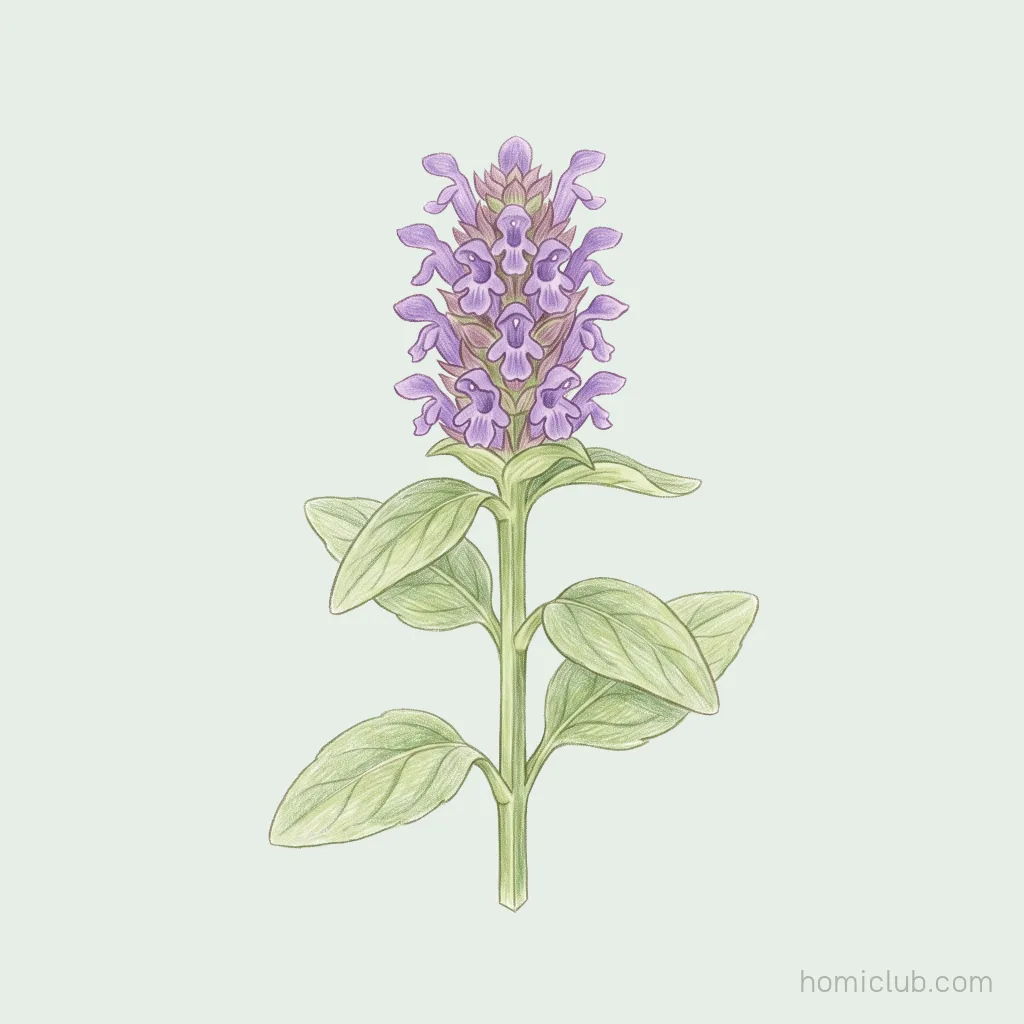
HomiclubGosam is the root of a leguminous perennial, known in Korean as neosam and also as dodungnomui-jipangi. Its name says it plainly: the taste is intensely bitter, paired against hwanggi, the "sweet neosam."
-
除大熱嗜睡, 明目止淚. 養肝膽氣. 除伏熱, 腸澼, 小便黃赤.
It removes drowsiness from severe heat, brightens the eyes, and stops tearing. It nourishes the qi of the liver and gallbladder. It removes hidden heat, jangbyeok (腸澼, dysenteric disorder), and yellow-red urine.
-
療齒痛及惡瘡, 下部䘌.
It addresses toothache, malign sores, and nik (䘌) lesions of the lower body.
-
處處有之, 葉極似槐, 故一名水槐, 一名地槐. 三月八月十月採根, 暴乾. 不入湯用. 《本草》
It is found everywhere, and because its leaves closely resemble those of the pagoda tree it is also called sugoe (水槐, water pagoda) and jigoe (地槐, earth pagoda). Dig the root in the third, eighth, and tenth months and dry it in the sun. It is not put into decoctions. 《Boncho (本草)》
HomiclubIts pinnate leaves, made of several paired leaflets, are what make it look like pagoda-tree foliage. Pale yellow flowers stand in a spike in summer, and the root is a thick, long cylinder with yellowish skin.
-
入足少陽經. 味至苦, 入口卽吐, 胃弱者愼用.
It enters the foot soyang channel. Its taste is utterly bitter, so that it brings on retching the moment it enters the mouth; those with a weak stomach should use it cautiously.
-
糯米泔浸一宿, 蒸三時久, 曬乾. 少入湯藥, 多作丸服.
Steep it overnight in the water from washing glutinous rice, steam it for about three watches, then sun-dry it. Little of it goes into decoctions; it is mostly made into pills and taken.
-
治瘡酒浸, 治腸風, 炒至烟起, 爲末用. 《入門》
To treat sores, steep it in liquor; to treat intestinal wind, roast it until smoke rises, then grind it to powder for use. 《Ipmun (入門)》
-
能峻補陰氣. 《丹心》
It can supplement the eum qi forcefully. 《Dansim (丹心)》
Herbs — more entries
This is a cultural and historical record from a classical text, not a claim about any food’s effects. Nothing here is a health supplement or intended to prevent or treat disease. Consult a medical professional about health concerns. · Text: Korean Medicine Classics DB · Reading: Homiclub