
Tangaek — Decoctions · Herbs
旋復花 Haguk(seonbokhwa) (하국(선복화))
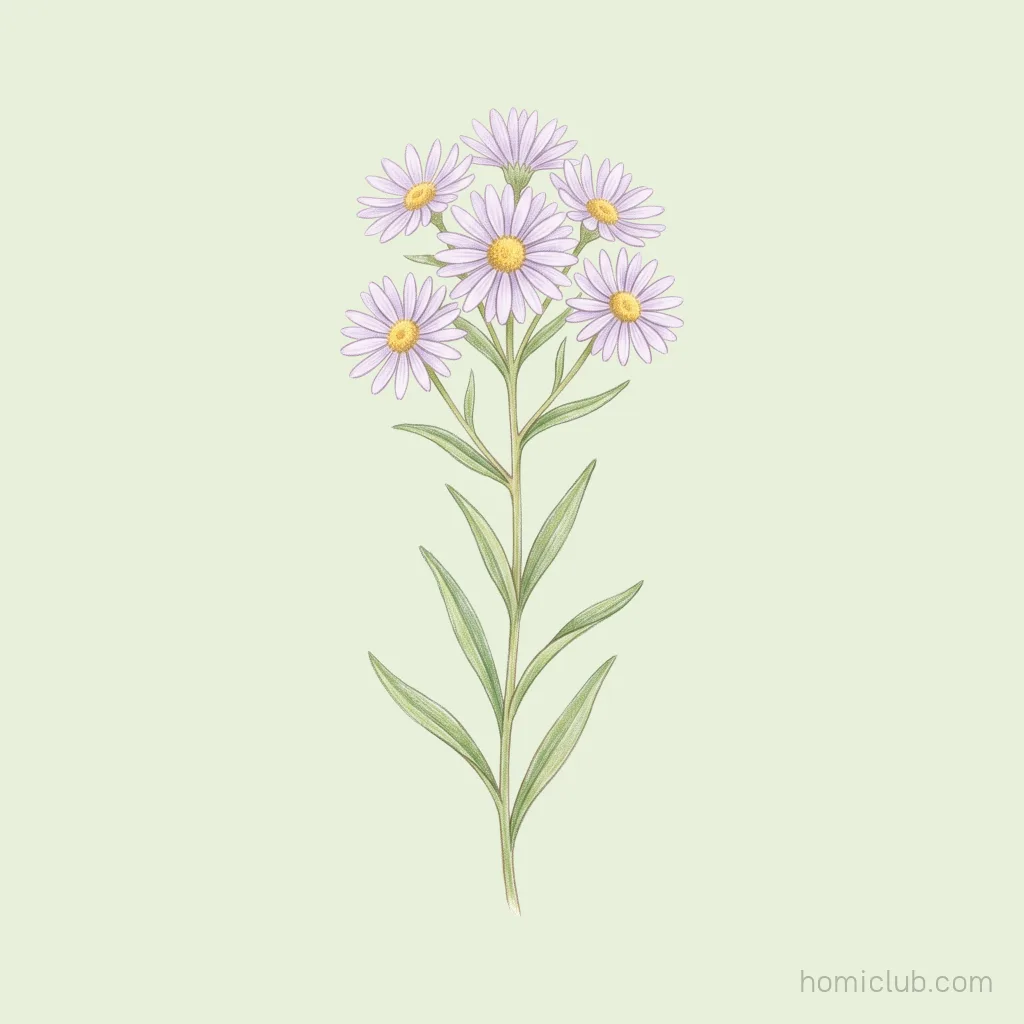
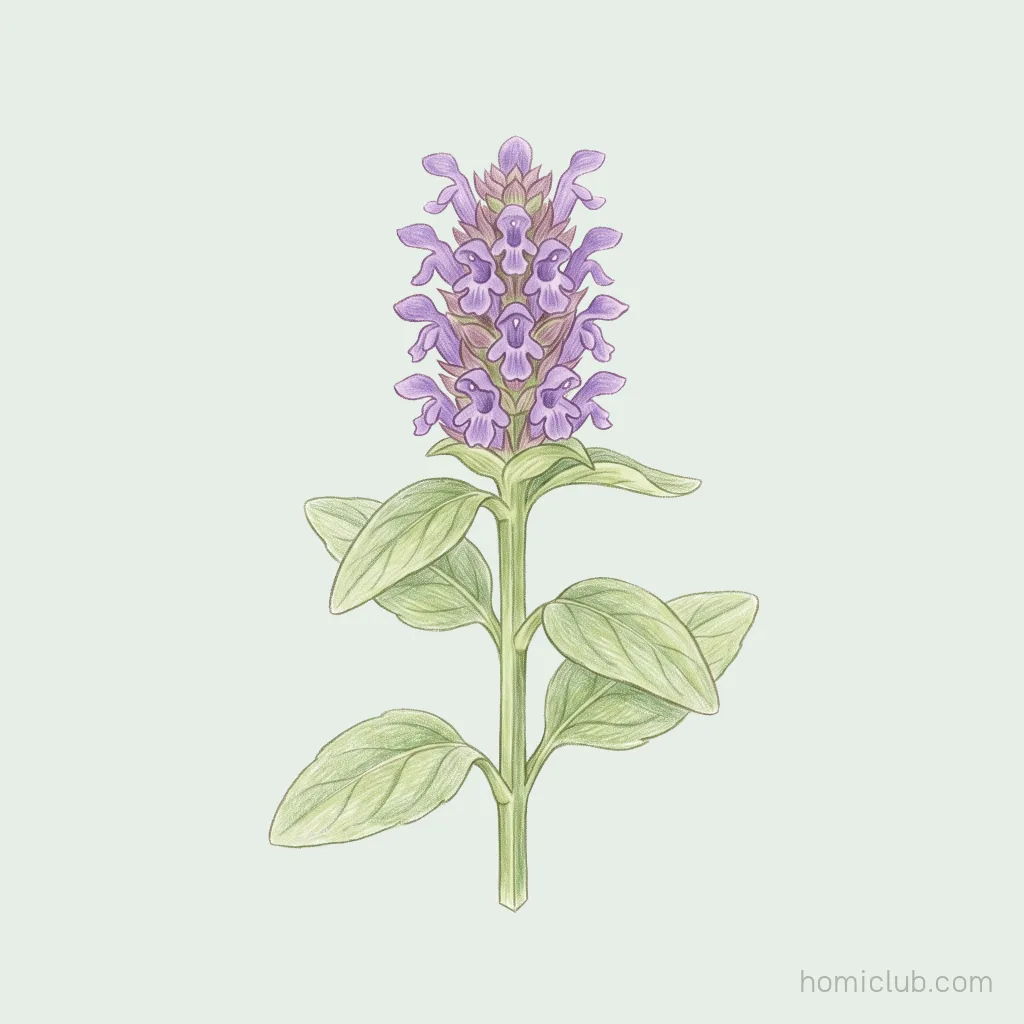
Seonbokhwa is the flower of a plant whose leaves resemble a large chrysanthemum; its old name is haguk. In the sixth month deep-yellow blooms the size of a small coin are picked and sun-dried. Also called geumbicho, its fine hairs meant decoctions were strained through silk.
Original, read line by line 東醫寶鑑 · Tangaek — Decoctions vol. 3
-
性微溫, 味醎甘, 有小毒.
Slightly warm in nature, with a salty-sweet taste and mild toxicity. It warms the body gently while loosening what is stuck.
-
主胸上痰唾如膠漆, 心脇痰水, 兩脇脹滿.
It treats sticky phlegm and saliva clinging like glue or lacquer in the upper chest, phlegm-fluids around the heart and flanks, and bloating distension in both sides. It thins and moves mucus that has gummed itself in place.
-
開胃止嘔逆, 去膀胱宿水, 明目.
It opens the stomach to restore appetite, stops nausea and retching, drains long-stagnant water from the bladder, and brightens the eyes. The classics saw stomach function and water metabolism as a single knot to untie.
-
一名金沸草, 葉如大菊.
Another name is jinfeicao, and the leaves resemble those of a large chrysanthemum. Picture the foliage of a wild mountain chrysanthemum and you have the right image.
-
六月開花如菊花, 小銅錢大, 深黃色.
In the sixth lunar month it blooms like a chrysanthemum, about the size of a small copper coin, in a deep yellow. Imagine rows of little gold buttons hung out in midsummer.
-
採花日乾, 在處有之.
The flowers are gathered and sun-dried, and the plant grows almost everywhere. It was a common roadside herb rather than a rare find.
-
蒸熟曬乾. 入煎藥, 綿濾去滓. 《本草》
Steam it until done, then dry it again in the sun; when added to a decoction, strain through silk cloth and discard the dregs. The old physicians insisted on the cloth because the fine hairs on the flower irritate the throat. From the Bencao.
Herbs — more entries
This is a cultural and historical record from a classical text, not a claim about any food’s effects. Nothing here is a health supplement or intended to prevent or treat disease. Consult a medical professional about health concerns. · Text: Korean Medicine Classics DB · Reading: Homiclub