
Tangaek — Decoctions · Herbs
茵蔯蒿 Injin mugwort
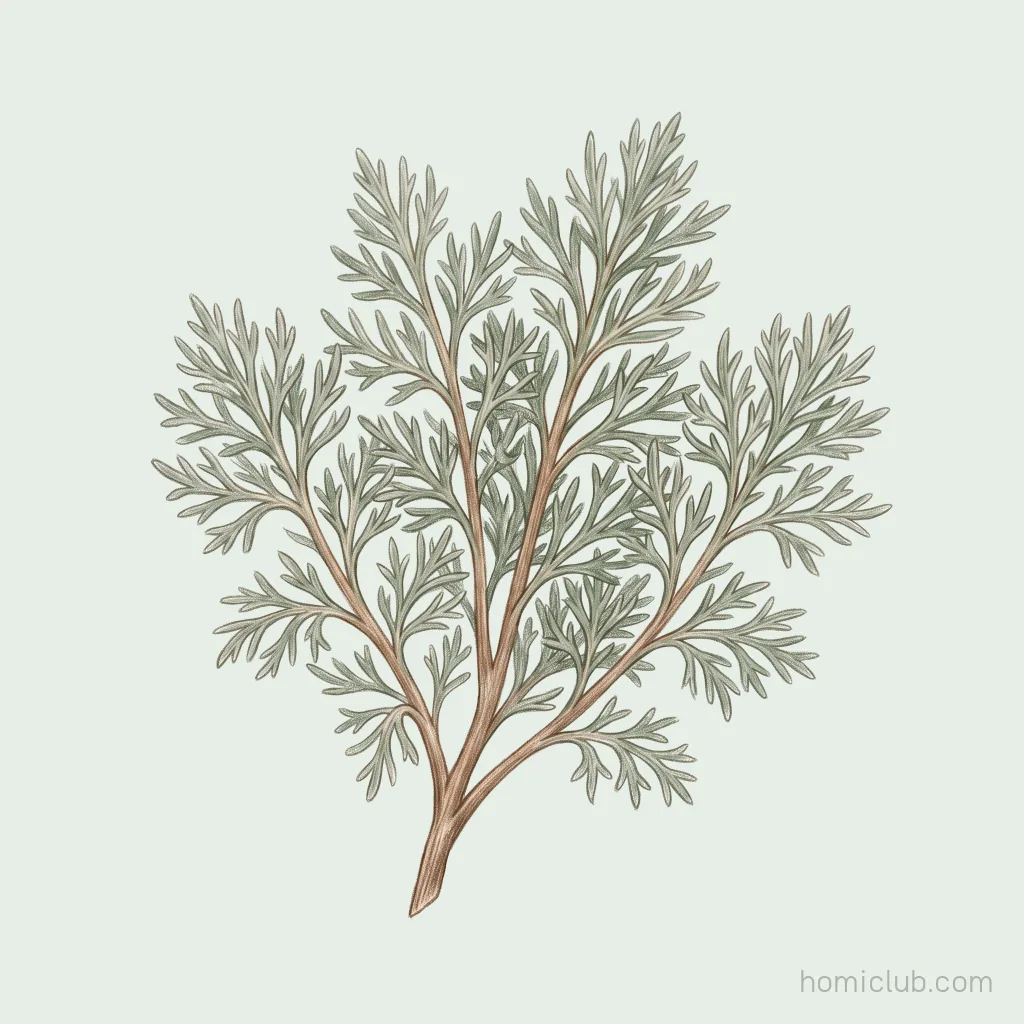 Related Crop · Injin mugwort →
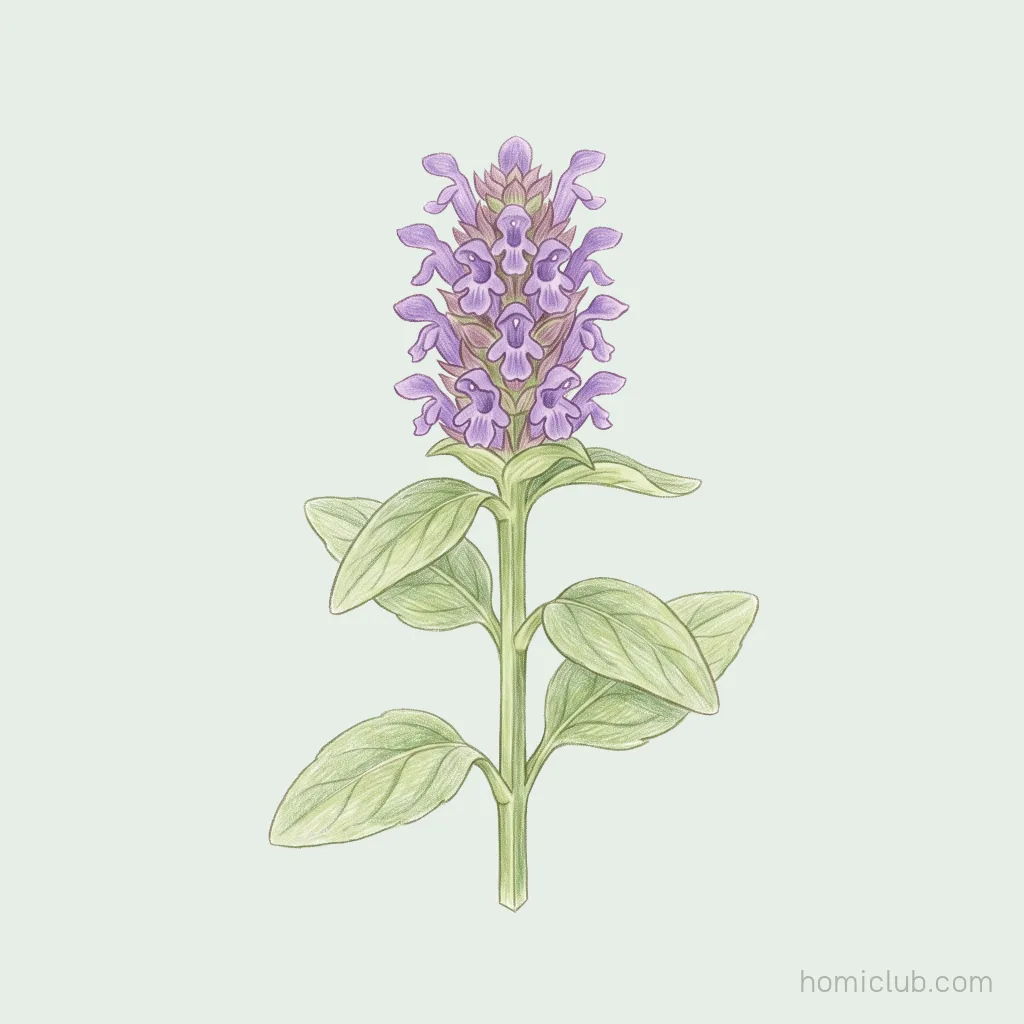
Injinho is a wormwood known in Korean as deowijigi. Its leaves wither in autumn but the stems survive winter and send up new growth from the old shoots, which is the origin of the name injin. Stems and leaves were cut in early summer and dried in shade.
Original, read line by line 東醫寶鑑 · Tangaek — Decoctions vol. 3
-
性微寒一云涼, 味苦辛, 無毒一云小毒.
Its nature is slightly cold (some say cool), its taste bitter and pungent, and it is non-toxic (some say slightly toxic).
-
主熱結黃疸, 通身發黃, 小便不利.
It chiefly treats jaundice from bound heat, yellowing over the whole body, and difficult urination.
-
治天行時疾, 熱狂, 頭痛及瘴瘧.
It treats seasonal epidemics, raving from heat, headache, and janghak (miasmic malaria).
-
處處有之. 似蓬蒿而葉緊細, 無花實, 秋後葉枯, 莖簳經冬不死, 更因舊苗而生, 故名茵蔯蒿.
It is found everywhere. It resembles bongho (mugwort) but its leaves are dense and fine; it has no flower or fruit. After autumn the leaves wither, yet the stalk lives through the winter and comes up again from the old shoot, and so it is named injinho.
HomiclubThe Korean name deowijigi today refers to a half-shrubby Artemisia of hill slopes, while what markets sell as injin-ssuk is usually capillary wormwood (Artemisia capillaris).
-
五月七月採莖葉, 陰乾, 勿令犯火. 《本草》
In the fifth and seventh months the stalk and leaves are gathered and dried in the shade; do not let fire touch them. 《Boncho》
Homiclub"Do not let fire touch it" is a handling instruction: dry it in ventilated shade rather than over heat or in direct sun.
-
入足太陽經. 去根土, 細剉用. 《入門》
It enters the foot taeyang channel. Shake the soil off the root, cut it fine, and use it. 《Ipmun》
Related Crop
Injin mugwort →
Herbs — more entries
This is a cultural and historical record from a classical text, not a claim about any food’s effects. Nothing here is a health supplement or intended to prevent or treat disease. Consult a medical professional about health concerns. · Text: Korean Medicine Classics DB · Reading: Homiclub