Tangaek — Decoctions · Herbs

玄參 현삼 (현삼)

Original, read line by line 東醫寶鑑 · Tangaek — Decoctions vol. 3

  1. 性微寒, 味苦醎, 無毒.

    Its nature is slightly cold, its taste bitter and salty, and it carries no toxicity. The cool, bitter quality lets it dissolve heat that has settled deep inside the body.

  2. 治熱毒遊風,

    It treats the wandering wind stirred up by heat-toxin. When trapped heat surfaces as rashes, itching, or roving inflammation, hyeonsam settles it back down.

  3. 補虛勞, 骨蒸, 傳尸邪氣.

    It replenishes consumptive exhaustion and addresses steaming-bone fever and the lingering pathogenic qi of chronic wasting disease. It suits those whose fluids have dried out and whose heat burns from within.

  4. 消腫毒, 散瘤癭瘰癧,

    It disperses swellings and toxins and breaks up tumors, goiters, and the strings of scrofulous nodules along the neck. Its strength shows clearly in softening hard lumps that gather around the throat and lymph nodes.

  5. 補腎氣, 令人目明.

    It tonifies kidney qi and brightens the eyes. When dim vision comes from a deficiency of kidney yin, it helps restore clarity of sight.

  6. 苗葉似脂麻,

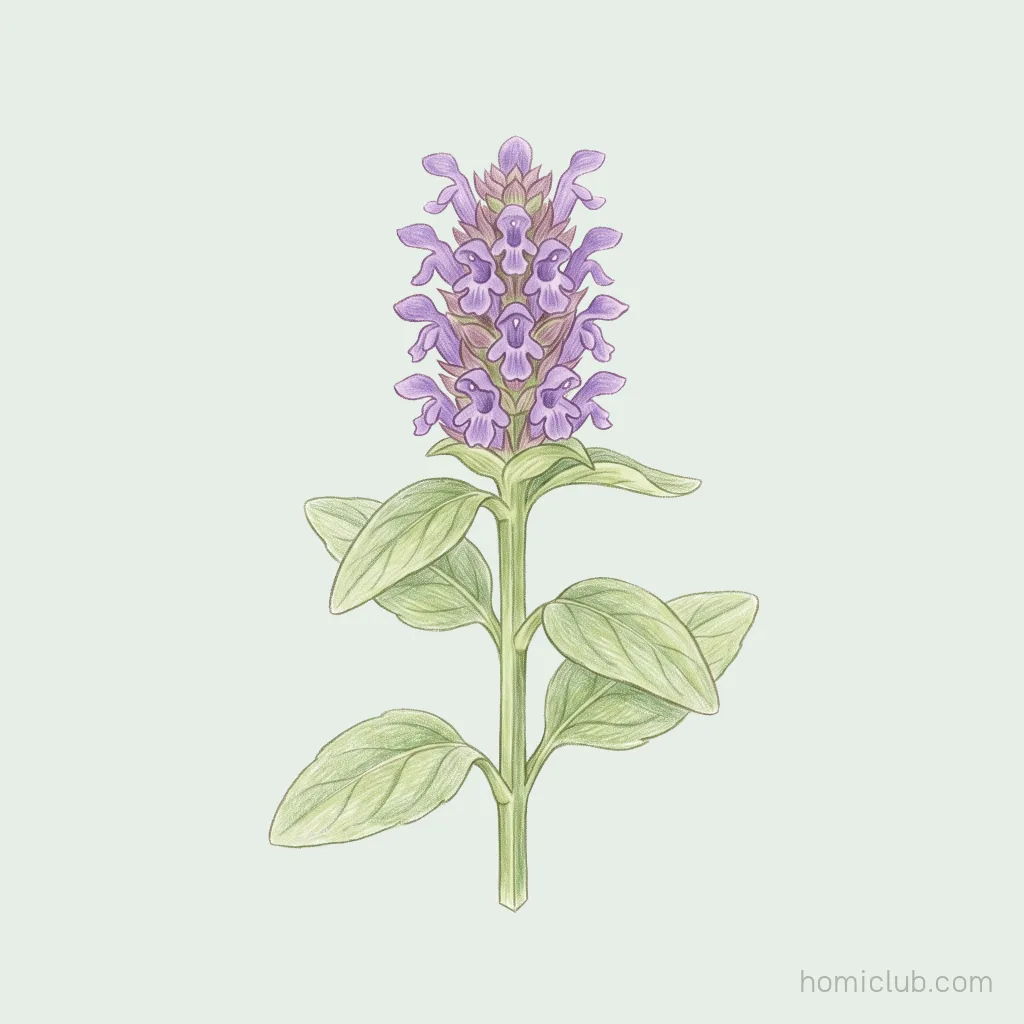
    Its sprouts and leaves resemble those of sesame. The slender, opposing leaves give it the look of a young sesame plant in a field.

  7. 七月開花, 靑碧色.

    It blooms in the seventh lunar month, in a greenish-blue hue. As high summer passes, deep blue-green flowers appear at the stem tips.

  8. 八月結子, 黑色.

    In the eighth month it sets seeds that are black in color. The ripe dark seeds quietly mark the arrival of early autumn.

  9. 其根尖長, 生靑白, 乾卽紫黑,

    The root is pointed and elongated, pale bluish-white when freshly dug but turning to a dark purple-black once dried. This very darkening is what gave the herb its name, hyeon (玄) meaning black.

  10. 新者潤膩.

    Freshly harvested roots feel glossy and slightly oily to the touch. This moist sheen is the first sign of quality in the dried medicinal.

  11. 三月四月八月九月採根, 暴乾.

    The roots are gathered in the third, fourth, eighth, and ninth lunar months, then sun-dried thoroughly. Spring and autumn are chosen because the medicinal potency settles most fully into the root then.

  12. 或云, 蒸過日乾. 《本草》

    Some texts say to steam the roots first and then dry them in the sun. Steaming was believed to temper the cold nature and stabilize the medicinal action. From the Bencao.

  13. 玄參, 乃樞機之劑,

    Hyeonsam is a remedy for the pivotal hinge of the body, the place where qi turns and circulates. It works like oil applied to a hinge so that the door of the body swings smoothly.

  14. 管領諸氣, 上下肅淸而不濁.

    It commands the various qi, keeping the upper and lower body clear and unclouded. Heat above is drawn downward while flow below is unblocked, so the whole circulation stays clean.

  15. 以此論之, 治虛中氤氳之氣, 無根之火, 以玄參爲聖藥也. 《湯액》

    For this reason, when vacuous heat drifts about like mist or flares upward without a root, hyeonsam stands as the sovereign remedy. It is the surest choice when the yin is depleted and heat rises with nothing to anchor it. From the Tangaek.

  16. 腎傷必用之, 足少陰腎經之君藥也.

    When the kidneys are injured it must be used, for it is the sovereign herb of the foot shaoyin kidney channel. It sits at the heart of any formula meant to nourish kidney yin.

  17. 酒蒸亦好. 《入門》

    Steaming the herb with wine also works well. The wine softens its cold nature and helps the medicinal power reach deep into the channels. From the Immun.

  18. 我國惟慶尙道出焉, 未知眞否. 《俗方》

    In our country it is said to grow only in Gyeongsang Province, though whether it is the true hyeonsam remains uncertain. The note hints at how hard it has always been to verify the authenticity of medicinal herbs. From the Sokbang.

This is a cultural and historical record from a classical text, not a claim about any food’s effects. Nothing here is a health supplement or intended to prevent or treat disease. Consult a medical professional about health concerns. · Dongui Bogam — Homiclub’s own reading