
Tangaek — Decoctions · Herbs
大戟 Beodeulot (버들옷)
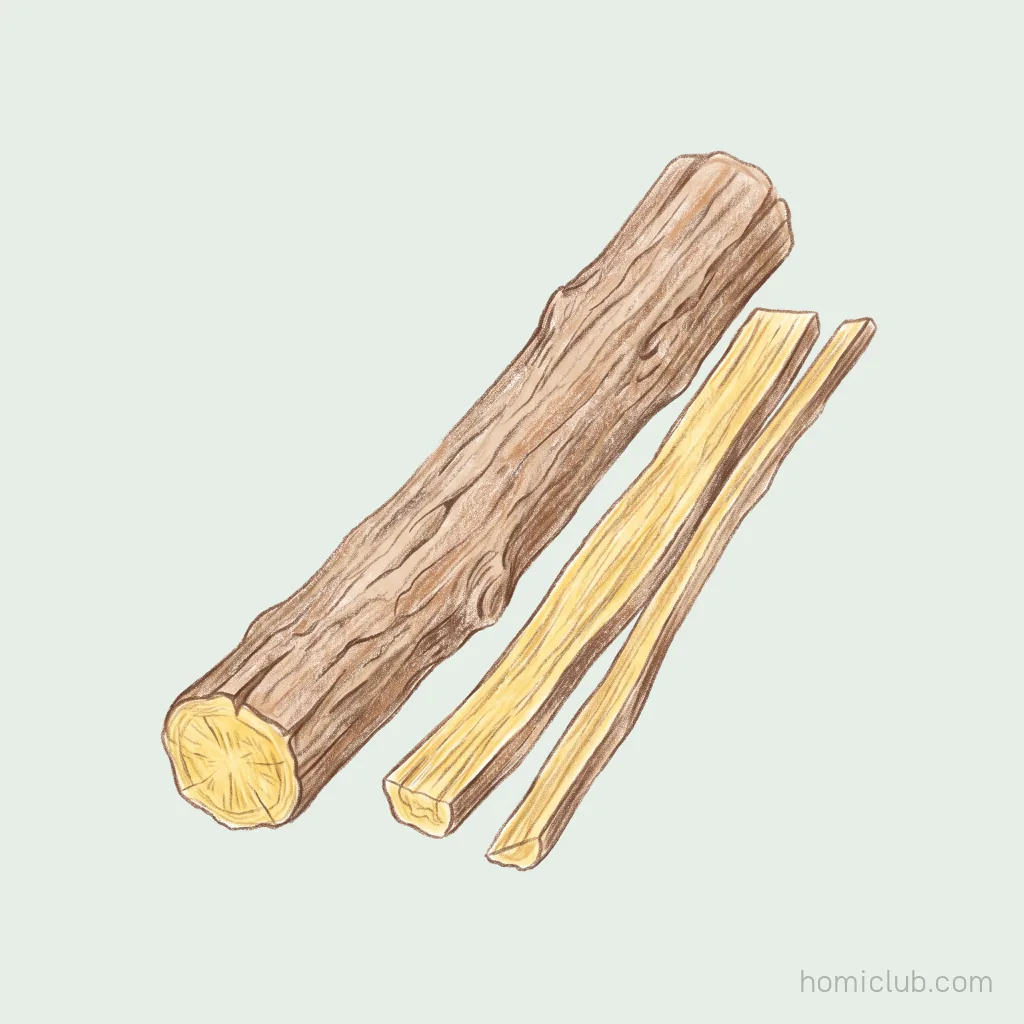
Daegeuk is the root of the plant called taekchil, 'beodeulot' in old Korean. It is dug in autumn and winter, dried in shade, then sliced and steamed or lightly toasted. Red spring shoots gave prescriptions the name hong-a daegeuk, and the text notes slight toxicity.
Original, read line by line 東醫寶鑑 · Tangaek — Decoctions vol. 3
-
性寒, 味苦甘, 有小毒. 主蠱毒, 十二水腫滿. 利大小腸, 瀉毒藥, 泄天行黃疸, 溫瘧, 破癥結, 墮胎.
Its nature is cold, its taste bitter and sweet, and it is slightly toxic. It governs godok (蠱毒, parasitic toxin) and fullness from the twelve kinds of water swelling. It frees the large and small intestines, purges poisons, drains epidemic jaundice and warm malaria, breaks bound masses, and drops the foetus.
HomiclubDaegeuk is the root of a perennial spurge; its old Korean name is beodeul-ot. A milky white sap bleeding from the cut stem is the mark of this group, and the text likewise notes that it is slightly toxic.
-
澤漆根也. 秋冬採根, 陰乾. 《本草》
It is the root of taekchil (澤漆). The root is dug in autumn and winter and dried in the shade. 《Boncho (本草)》
-
春生紅芽, 故方用多云紅芽大戟. 與甘遂同爲泄水之藥, 細剉, 蒸或微炒. 《入門》
Red shoots come up in spring, so prescriptions often call it hongadaegeuk (紅芽大戟, red-shoot daegeuk). Together with gamsu (甘遂) it serves as a medicine that drains water; it is chopped fine and steamed or lightly parched. 《Immun (入門)》
Herbs — more entries
This is a cultural and historical record from a classical text, not a claim about any food’s effects. Nothing here is a health supplement or intended to prevent or treat disease. Consult a medical professional about health concerns. · Text: Korean Medicine Classics DB · Reading: Homiclub