
Tangaek — Decoctions · Herbs
麻黃 Mahwang (마황)

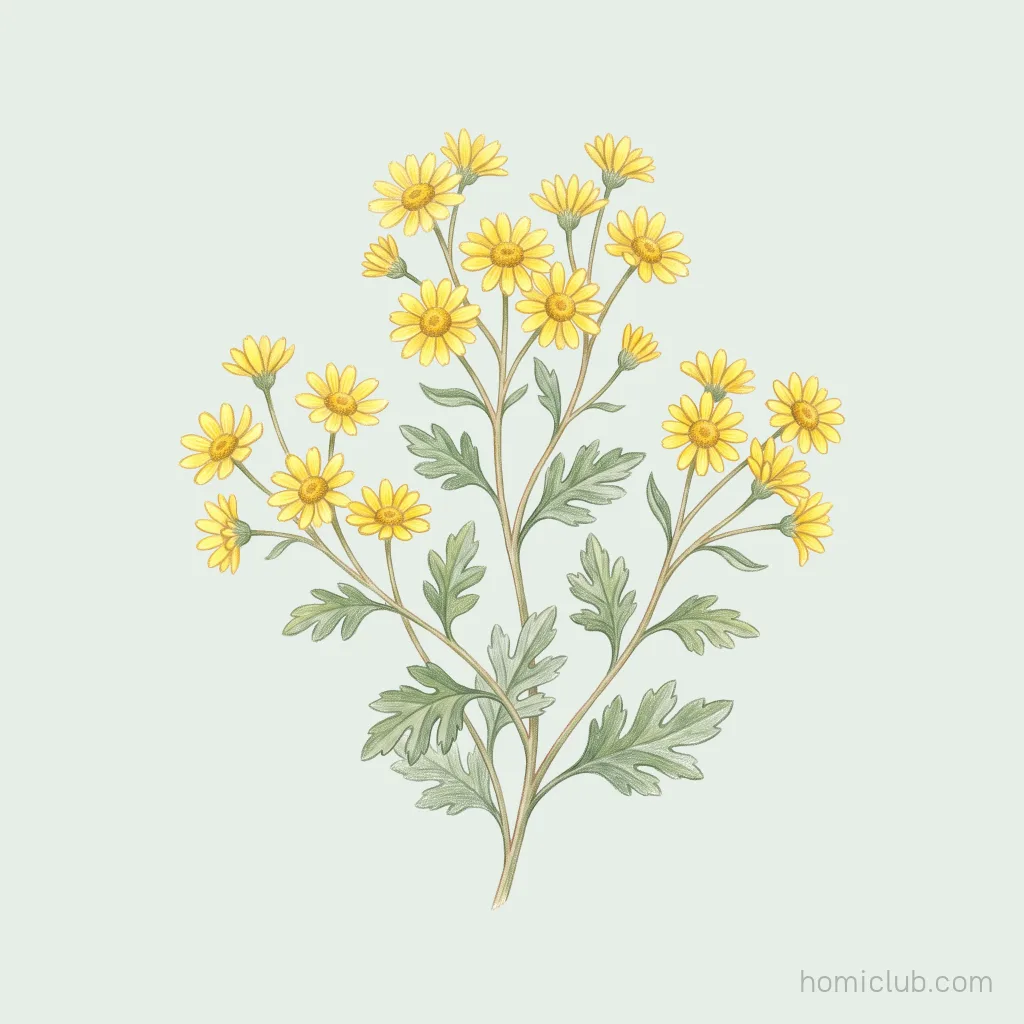
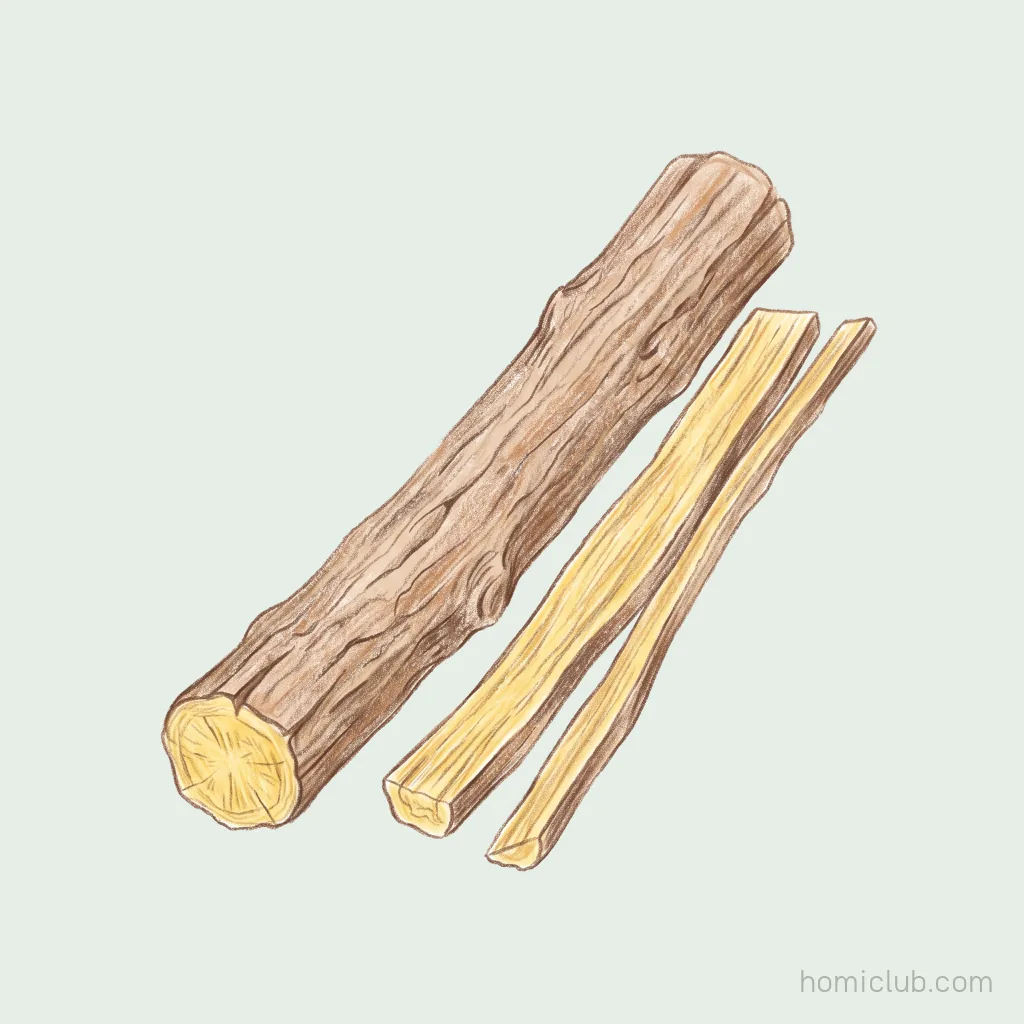
Mahwang is a shrub of the Ephedra family, its jointed green stems standing in straight bundles. Today it is handled strictly as a pharmaceutical raw material and may not be used in food. The Dongui Bogam had the stems gathered at the start of autumn and dried in shade, with roots and joints stripped off before use.
Original, read line by line 東醫寶鑑 · Tangaek — Decoctions vol. 3
-
性溫一云平, 味苦一云甘, 無毒.
Its nature is warm (some say neutral), its taste bitter (some say sweet), and it is non-toxic.
HomiclubAlthough the text calls it non-toxic, ephedrine, the principal alkaloid of ephedra, raises blood pressure and strains the circulatory system. In 2004 the United States Food and Drug Administration (FDA) banned dietary supplements containing ephedrine alkaloids, citing risks such as heart attack and stroke. Because ephedrine can be used to make methamphetamine, it is also listed in the first precursor table (Table 1) of the 1988 United Nations Convention against Illicit Traffic in Narcotic Drugs and Psychotropic Substances, and its trade is monitored internationally.
-
主中風傷寒頭痛, 溫瘧, 發表出汗, 去邪熱氣.
It treats headaches from wind-stroke and cold damage, warm-malaria, releases the exterior by inducing sweat, and dispels pathogenic heat.
-
除寒熱, 五藏邪氣, 通腠理.
It removes cold and heat and evil qi in the five viscera, and frees the juri (腠理, interstices).
-
治溫疫, 禦山嵐瘴氣.
It treats epidemic warm diseases and wards off the miasmic vapors of the mountains.
-
立秋採莖, 陰乾令靑.
The stems are gathered around the Start of Autumn and dried in the shade so they keep their green color.
-
用之先去根節, 根節止汗故也.
Before use, the roots and nodes must be removed, because those parts actually stop sweating.
-
先煮一兩沸, 去上沫, 沫令人煩. 《本草》
Boil it once or twice first and skim off the foam, for the foam makes people restless. 《Boncho (本草)》
-
麻黃生于中牟, 雪積五尺, 有麻黃處, 則雪不聚.
Ephedra grows in Jungmo (中牟); even when snow piles up five feet deep, no snow settles where ephedra grows.
-
盖通陽氣, 却外寒也. 《三因》
This is because it opens up yang qi and repels external cold. 《Samin (三因)》
-
麻黃, 手太陰之劑, 入足太陽經, 走手少陰經ㆍ陽明經,
Ephedra is a remedy of the hand taeeum channel, enters the foot taeyang channel, and travels through the hand soeum and yangmyeong channels.
-
發太陽ㆍ少陰經汗, 去表上之寒邪,
It induces sweating in the taeyang and soeum channels and drives off cold pathogens lodged on the surface.
-
瀉衛實, 去榮中寒. 《湯液》
It drains repletion of the defensive qi and removes the cold within the nutritive qi. 《Tangaek (湯液)》
-
自中原移植于我國諸邑, 而不爲繁殖.
It was transplanted from China to various Korean districts, but did not propagate well.
-
惟江原道, 慶尙道有之. 《俗方》
It is found only in Gangwon and Gyeongsang provinces. 《Sokbang (俗方)》
Herbs — more entries
This is a cultural and historical record from a classical text, not a claim about any food’s effects. Nothing here is a health supplement or intended to prevent or treat disease. Consult a medical professional about health concerns. · Text: Korean Medicine Classics DB, collated with the Jangseogak copy of the 1613 wooden movable-type edition · Reading: Homiclub