
Tangaek — Decoctions · Herbs
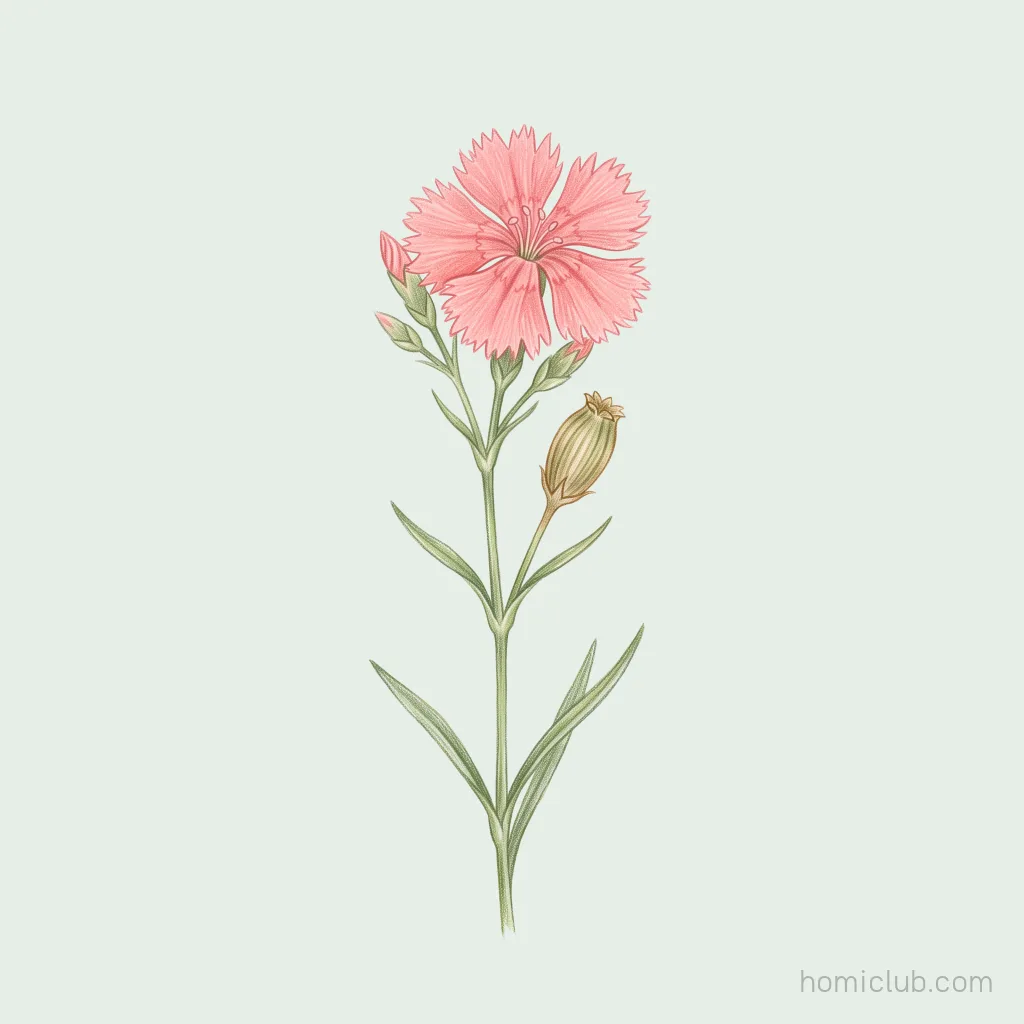
瞿麥 Fringed pink
 Related Crop · Fringed pink →
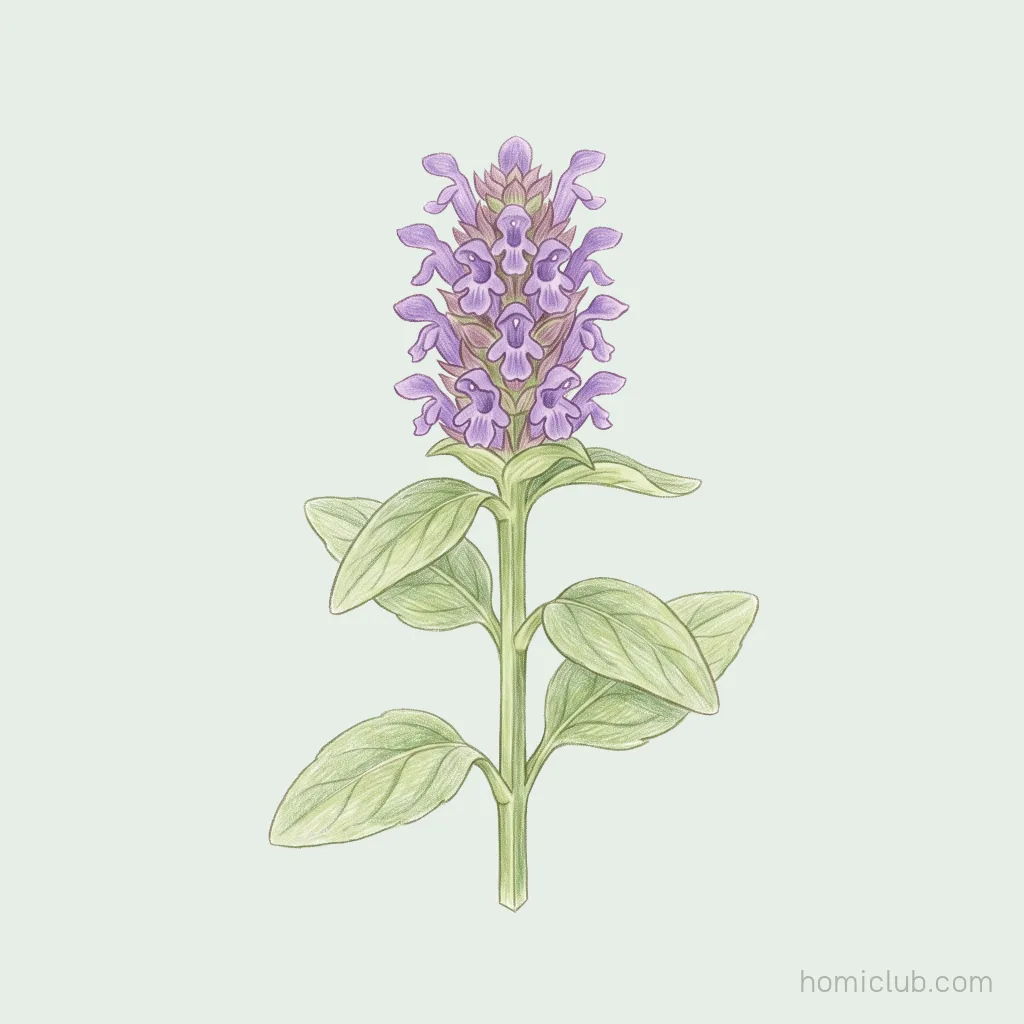
Gumaek is the shade-dried seed and leaf of the fringed pink. Also called seokjuk, it belongs to the same dianthus group seen in flower beds and along roadsides. The seed resembles a barley grain, which gave the plant its name, and Donguibogam warned pregnant women away from it.
Original, read line by line 東醫寶鑑 · Tangaek — Decoctions vol. 3
-
性寒, 味苦辛一云甘, 無毒. 主關格諸癃結, 小便不通, 出刺, 決癰腫, 明目去瞖, 破胎墮子.
Its nature is cold; its taste is bitter and pungent, though one account calls it sweet, and it is non-toxic. It governs gwangyeok and various yunggyeol (癃結, urinary stoppage) and blocked urination, draws out thorns, bursts abscesses, brightens the eyes and removes corneal films, and breaks the foetus so that it is expelled.
HomiclubGumaek is the seed and leaf of the fringed pink (Dianthus). A summer wildflower whose petal tips are finely cut into a fringe, it belongs to the same group as the pinks grown in flower beds and found along roadsides.
-
通心經, 利小腸爲最要.
Opening the sim (心, heart) channel and freeing the small intestine are what it is most essential for.
-
一名石竹, 處處有之. 立秋後, 合子葉收採, 陰乾. 子頗似麥, 故名瞿麥. 《本草》
It is also called seokjuk (石竹), and is found everywhere. After the beginning of autumn gather the seeds together with the leaves and dry them in the shade. Because the seeds rather resemble barley, it is named gumaek (瞿麥, the barley-seeded herb). 《Boncho (本草)》
HomiclubThe name seokjuk, stone bamboo, comes from its jointed stem and narrow leaves, which look like a miniature bamboo. The Korean name paeraengi-kkot likens the flower to the old conical paeraengi hat.
-
不用莖葉, 只用實殼. 《入門》
Do not use the stem and leaves; use only the husk of the fruit. 《Immun (入門)》
-
主關格諸癃, 利小便不通, 逐膀胱邪熱, 爲君主之劑. 《湯液》
It governs gwangyeok and the various forms of yung (癃, dribbling urinary block), frees blocked urination, and drives evil heat from the bladder; it serves as the sovereign ingredient of a formula. 《Tangaek (湯液)》
Related Crop
Fringed pink →
Reading on Fringed pink
Herbs — more entries
This is a cultural and historical record from a classical text, not a claim about any food’s effects. Nothing here is a health supplement or intended to prevent or treat disease. Consult a medical professional about health concerns. · Text: Korean Medicine Classics DB · Reading: Homiclub