
Tangaek — Decoctions · Herbs
漏蘆 Jyeolgukdae (졀국대)
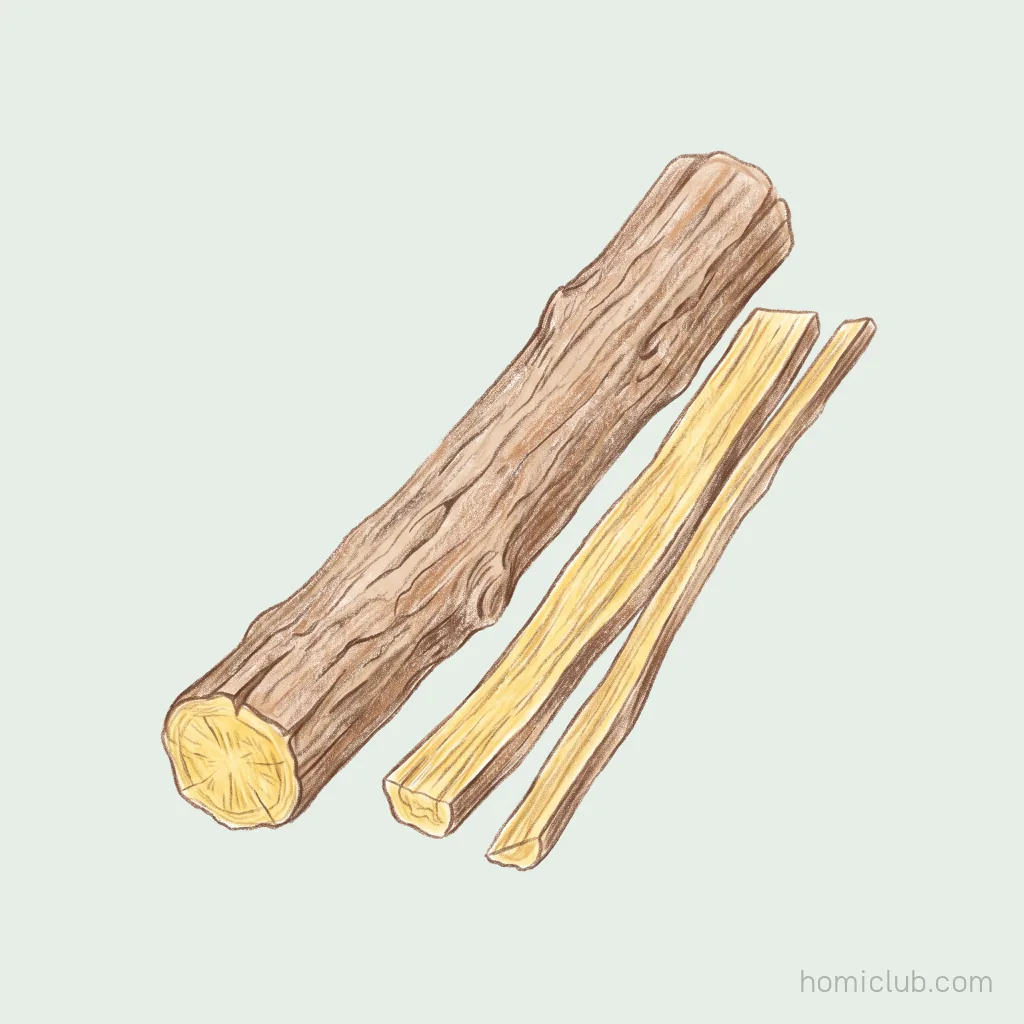
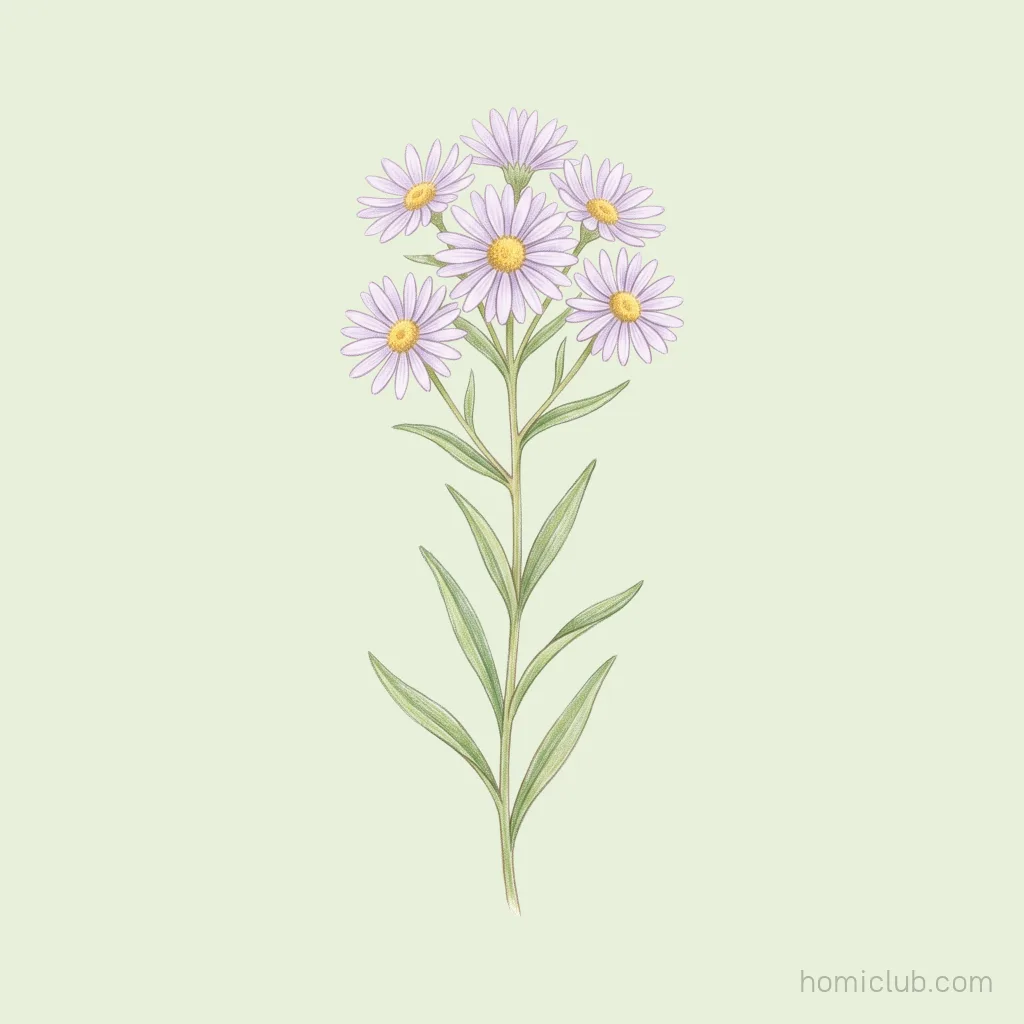
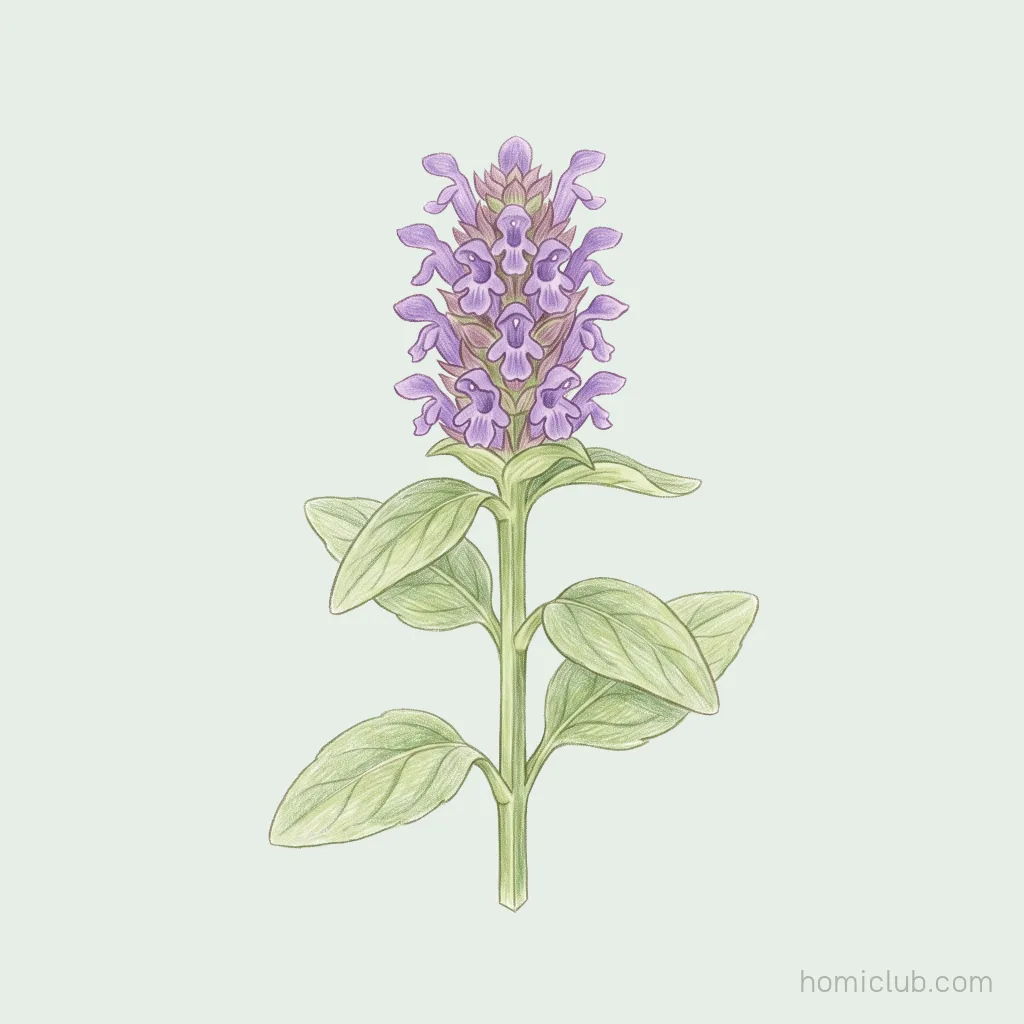
Nuro is the root of a composite-family herb, entered in the Donguibogam under the Korean name 'jeolgukdae.' The text describes a stem about the thickness of a chopstick, seed heads like small sesame, and a black root thinner than a turnip's. Which plant it names is still disputed, between ppeokkukchae and jeolgutdae.
Original, read line by line 東醫寶鑑 · Tangaek — Decoctions vol. 2
-
性寒, 味苦醎, 無毒. 治身上熱毒風生惡瘡, 皮肌瘙痒癮疹, 療發背乳癰瘰癧.
Its nature is cold, its taste bitter and salty, and it is non-toxic. It treats malign sores arising on the body from heat toxin and wind, and itching skin with hives; it addresses balbae (發背, back abscess), yuong (乳癰, breast abscess), and naryeok (瘰癧, scrofula).
HomiclubNuro is the root of a composite-family herb, recorded in the Donguibogam under the Korean name jeolgukdae. Opinion divides on whether that name points to Rhaponticum or to Echinops today; both are perennials of the aster family.
-
排膿, 補血, 付金瘡止血, 治瘡疥.
It expels pus, supplements blood, stops bleeding when applied to a metal wound, and treats sores and scabies.
-
生山野. 莖若筯大, 其子作房, 類油麻而小, 根黑色似蔓菁而細. 八月採根, 陰乾. 《本草》
It grows in hills and fields. Its stalk is about the thickness of a chopstick, its seeds are set in chambers and resemble sesame but smaller, and its root is black, like a turnip but slender. Dig the root in the eighth month and dry it in the shade. 《Boncho (本草)》
-
足陽明本經藥. 《入門》
It is a medicine of the foot yangmyeong's own channel. 《Ipmun (入門)》
Herbs — more entries
This is a cultural and historical record from a classical text, not a claim about any food’s effects. Nothing here is a health supplement or intended to prevent or treat disease. Consult a medical professional about health concerns. · Text: Korean Medicine Classics DB · Reading: Homiclub