
Tangaek — Decoctions · Herbs
貝母 Paemo (패모)
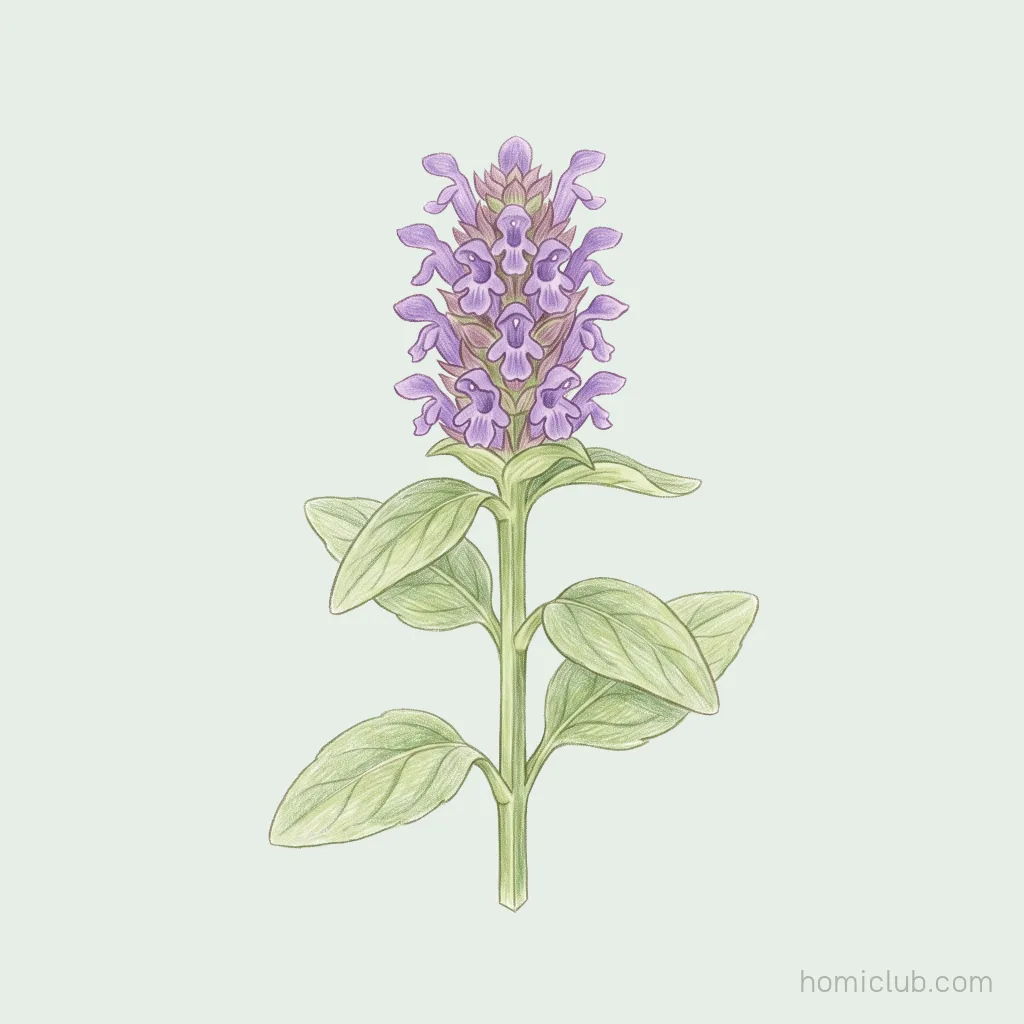
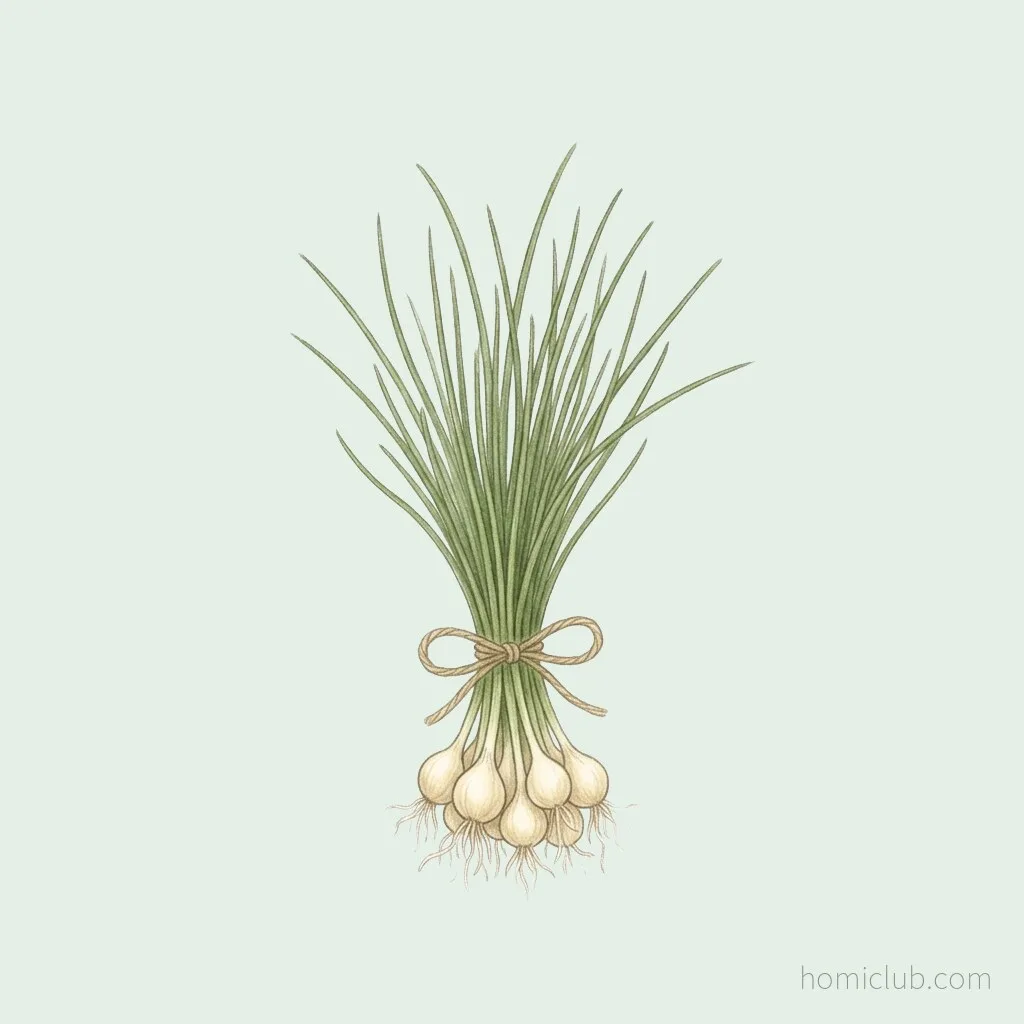
Paemo is the bulb of a fritillary, a lily-family plant. Its white scales overlap like stacked shells, which is where the name comes from, and the plant nods bell-shaped flowers in spring. Donguibogam marked it with 唐, an import that came through China, and records the alternate name maeng.
Original, read line by line 東醫寶鑑 · Tangaek — Decoctions vol. 3
-
性平一云微寒, 味辛苦, 無毒. 消痰, 潤心肺, 治肺痿咳嗽, 肺癰, 唾膿血, 除煩止渴, 療金瘡惡瘡.
Its nature is neutral, though one account calls it slightly cold; its taste is pungent and bitter, and it is non-toxic. It dissolves phlegm and moistens the sim (心, heart) and pye (肺, lung); it treats coughing from pyewi (肺痿, lung atrophy) and the spitting of pus and blood in pyeong (肺癰, lung abscess); it removes vexation and quenches thirst, and treats wounds from metal blades and malignant sores.
HomiclubPaemo is the bulb of a lily-family perennial (Fritillaria). It bears nodding bell-shaped flowers in spring, and its underground bulb consists of a few white scales clasping one another.
-
與連翹同, 主項下瘤癭疾.
Used together with yeongyo (連翹, forsythia fruit), it governs yuyeong (瘤癭, goitrous lumps) below the neck.
-
一名莔. 根有瓣子, 黃白色, 形似聚貝子, 故名貝母. 八月十月採根, 暴乾. 《本草》
It is also called maeng (莔). The root is made of scales, yellowish-white in colour, shaped like a cluster of cowrie shells, and so it is named paemo (貝母, the shell-mother). Dig the root in the eighth or tenth month and dry it in the sun. 《Boncho (本草)》
HomiclubWhen lifted, the bulb shows white scales stacked like shells laid together — the source of the character bae (貝, shell) in its name.
-
貝母, 能散心胸鬱結之氣, 殊有功. 《本事》
Paemo can scatter qi that is knotted and stagnant in the heart and chest, and in this it has singular merit. 《Bonsa (本事)》
-
柳木灰炮過, 去心用. 一云, 薑汁炮用. 《入門》
Roast it buried in willow-wood ash, remove the core, and use it. One account says to roast it moistened with ginger juice. 《Immun (入門)》
Herbs — more entries
This is a cultural and historical record from a classical text, not a claim about any food’s effects. Nothing here is a health supplement or intended to prevent or treat disease. Consult a medical professional about health concerns. · Text: Korean Medicine Classics DB · Reading: Homiclub