
Tangaek — Decoctions · Grains
大豆黃卷 Konggirum (콩기룸)
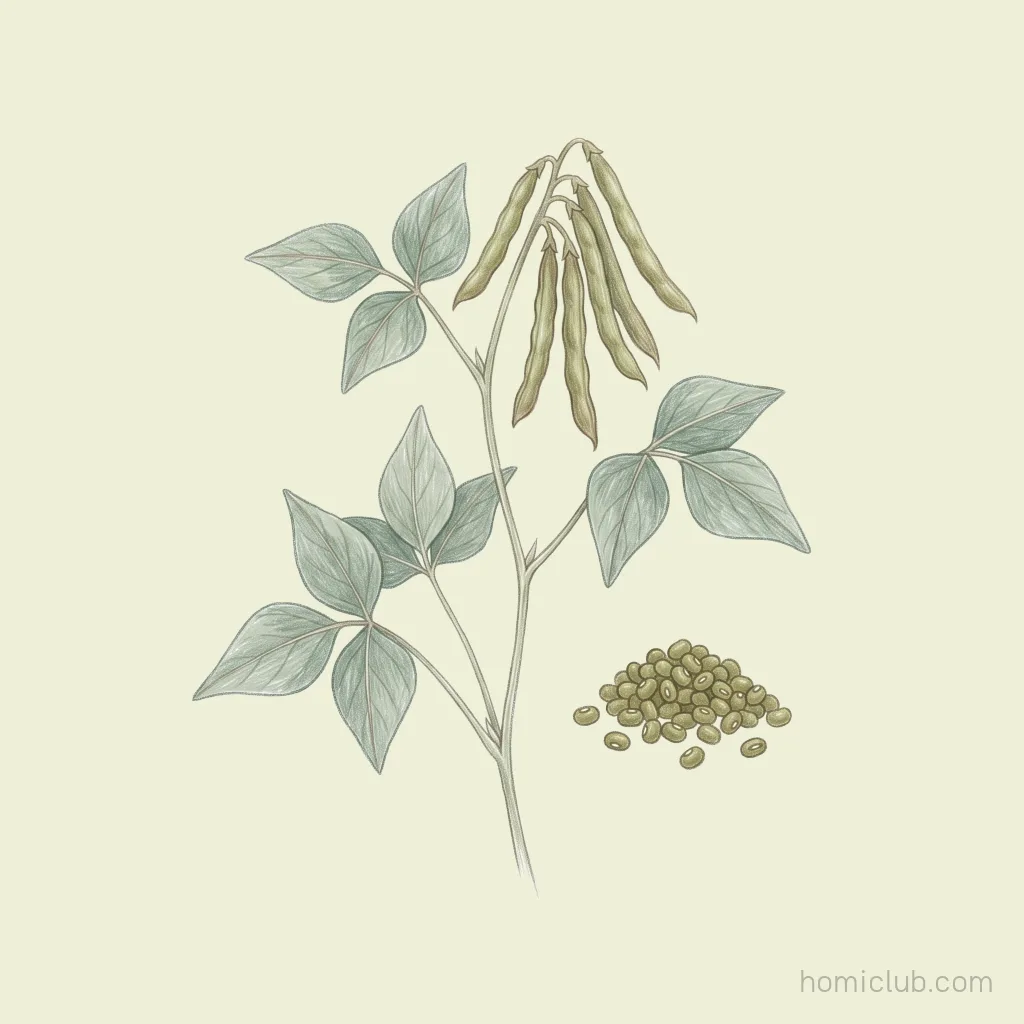
Daedu-hwanggwon is soybean sprouted and dried. The old Korean gloss konggirum names what Koreans now call kongnamul; sprouts were sun-dried as soon as they broke and lightly toasted before use. Those about five bun long were sorted out and handled separately.
Original, read line by line 東醫寶鑑 · Tangaek — Decoctions vol. 1
-
性平, 味甘, 無毒. 主久風濕痺, 筋攣膝痛. 除五藏胃中結聚. 《本草》
Its nature is neutral, its taste sweet, and it is non-toxic. It governs long-standing pungseupbi (風濕痺, wind-damp impediment) and cramping sinews with knee pain. It removes what is bound and gathered in the five jang and in the stomach. 《Boncho (本草)》
HomiclubDaeduhwanggwon is soybean soaked and sprouted; the old Korean gloss "konggireum" names what Koreans call kongnamul. The text says to sun-dry the sprouts as soon as they emerge and keep them for use.
-
黃卷, 是以生豆爲糵, 待其芽出, 便暴乾取用. 入藥微炒. 《本草》
Hwanggwon is made by sprouting raw beans; when the sprout emerges, dry it at once in the sun and keep it for use. For medicine it is lightly parched. 《Boncho (本草)》
-
卷糵長五分者, 破婦人惡血. 産婦藥中用之. 《本草》
Sprouts five bun (分) long break up akhyeol (惡血, stagnant blood) in women. They are used in medicines for women who have given birth. 《Boncho (本草)》
Grains — more entries
This is a cultural and historical record from a classical text, not a claim about any food’s effects. Nothing here is a health supplement or intended to prevent or treat disease. Consult a medical professional about health concerns. · Text: Korean Medicine Classics DB · Reading: Homiclub