
Tangaek — Decoctions · Trees
芫花 Patkkonnamu Kkotbongori (팥꽃나무 꽃봉오리)
Wonhwa is the dried flower bud of Daphne genkwa, gathered in early spring before the leaves open. The Dongui Bogam marks it 【唐】, an item imported from China, records it as strongly poisonous, and says to roast it in vinegar and keep it away from the eyes.
Original, read line by line 東醫寶鑑 · Tangaek — Decoctions vol. 3
-
性溫, 味辛苦, 有毒一云大毒.
Its nature is warm, its taste pungent and bitter, and it is toxic, though one account calls the toxicity great.
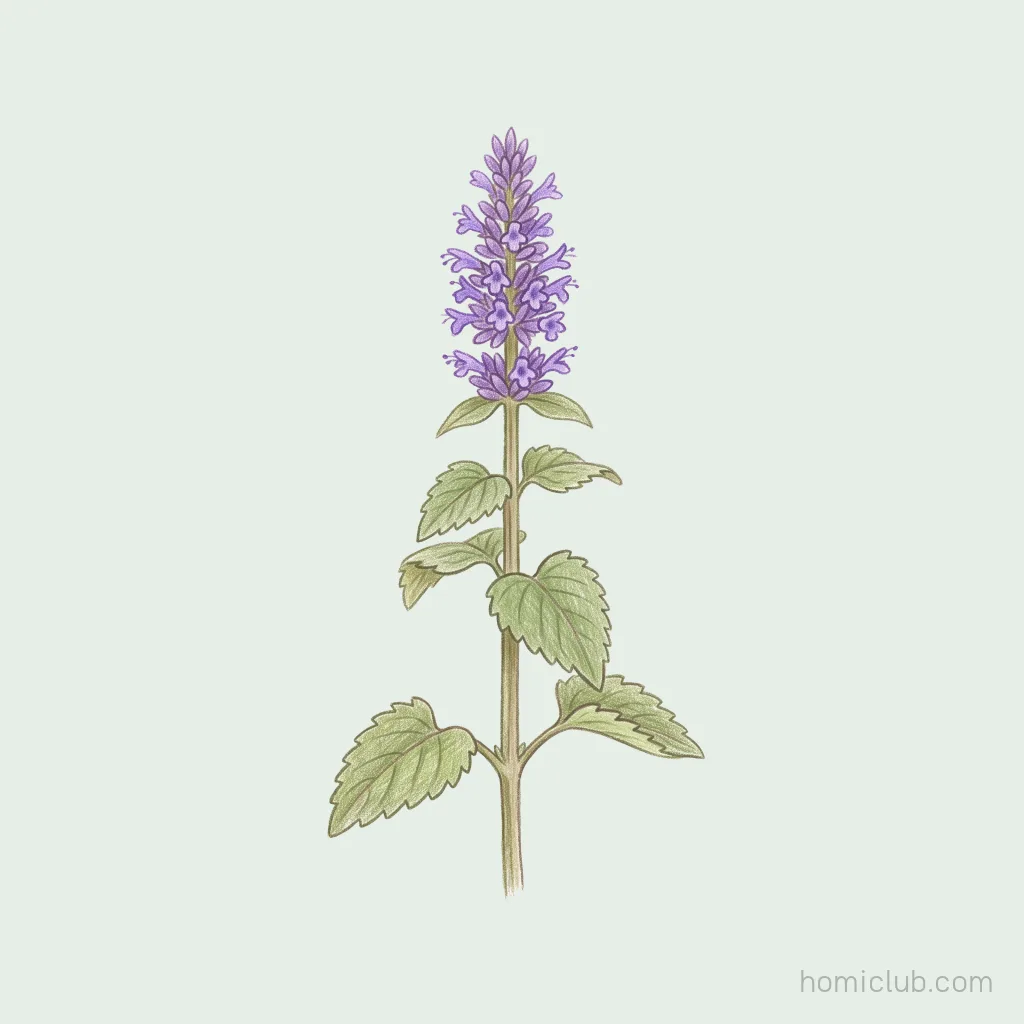
HomiclubWonhwa is the dried flower bud of the patkkot shrub. It is a small shrub of the sandy shores along Korea's western and southern coasts, and its pale purple flowers crowd the twigs before any leaf appears.
-
治心腹脹滿, 去水腫, 寒痰喜唾, 療咳嗽, 瘴瘧, 蠱毒.
It treats distension and fullness of the heart region and abdomen, removes water swelling, and addresses the constant spitting of handam (寒痰, cold phlegm), coughing, janghak (瘴瘧, miasmic malaria), and godok (蠱毒, gu poisoning).
-
治癰腫, 惡瘡, 風濕, 殺蟲魚肉毒.
It treats abscesses and swellings, malign sores, and pungseup (風濕, wind dampness), and kills the poison of insects, fish, and meat.
-
正二月花發紫碧色, 葉未生時收花, 日乾.
In the first and second months it opens flowers of a purplish blue; gather the flowers while the leaves have not yet come out and dry them in the sun.
-
凡使醋炒用, 不可近眼. 《本草》
Whenever it is used, roast it in vinegar, and it must not be brought near the eyes. 《Boncho (本草)》
Trees — more entries
This is a cultural and historical record from a classical text, not a claim about any food’s effects. Nothing here is a health supplement or intended to prevent or treat disease. Consult a medical professional about health concerns. · Text: Korean Medicine Classics DB · Reading: Homiclub