
Tangaek — Decoctions · Herbs
根 Mekkot Ppuri (메꽃 뿌리)
Root (根)
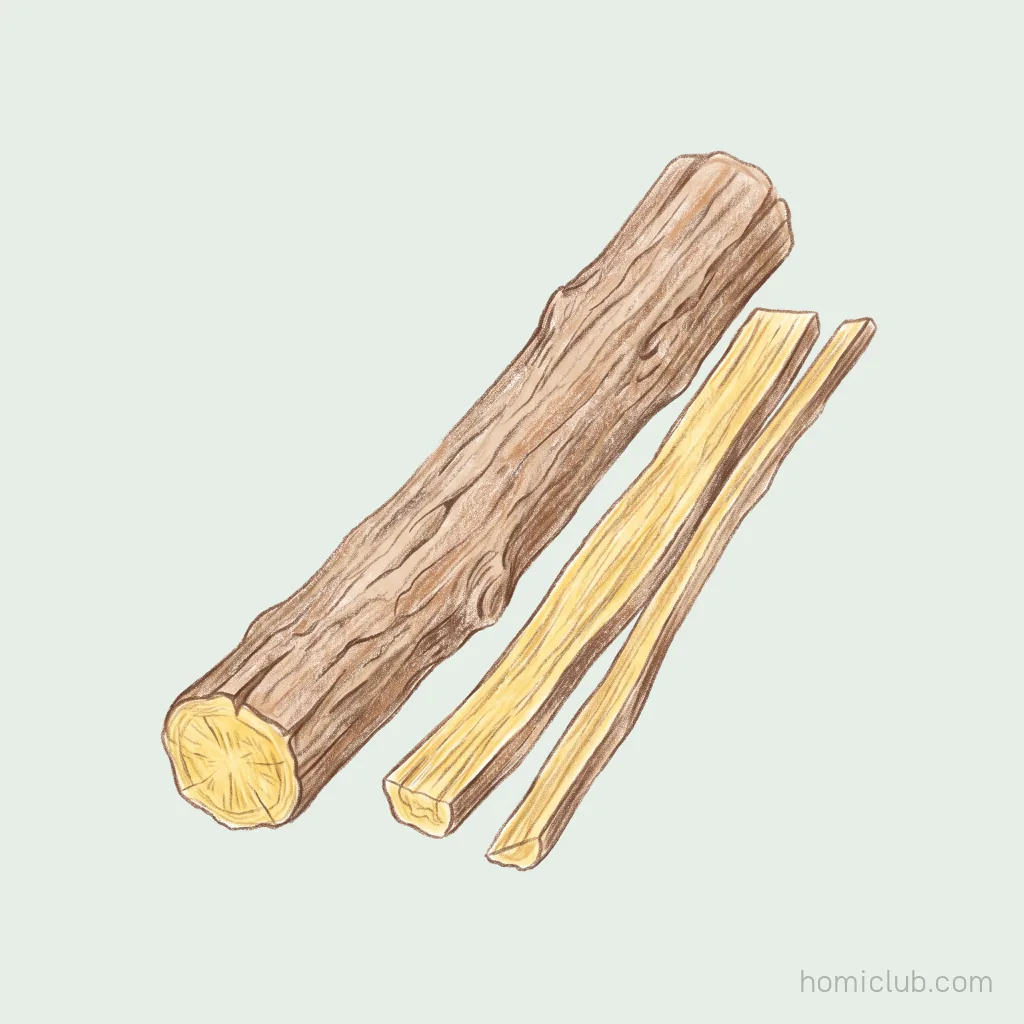
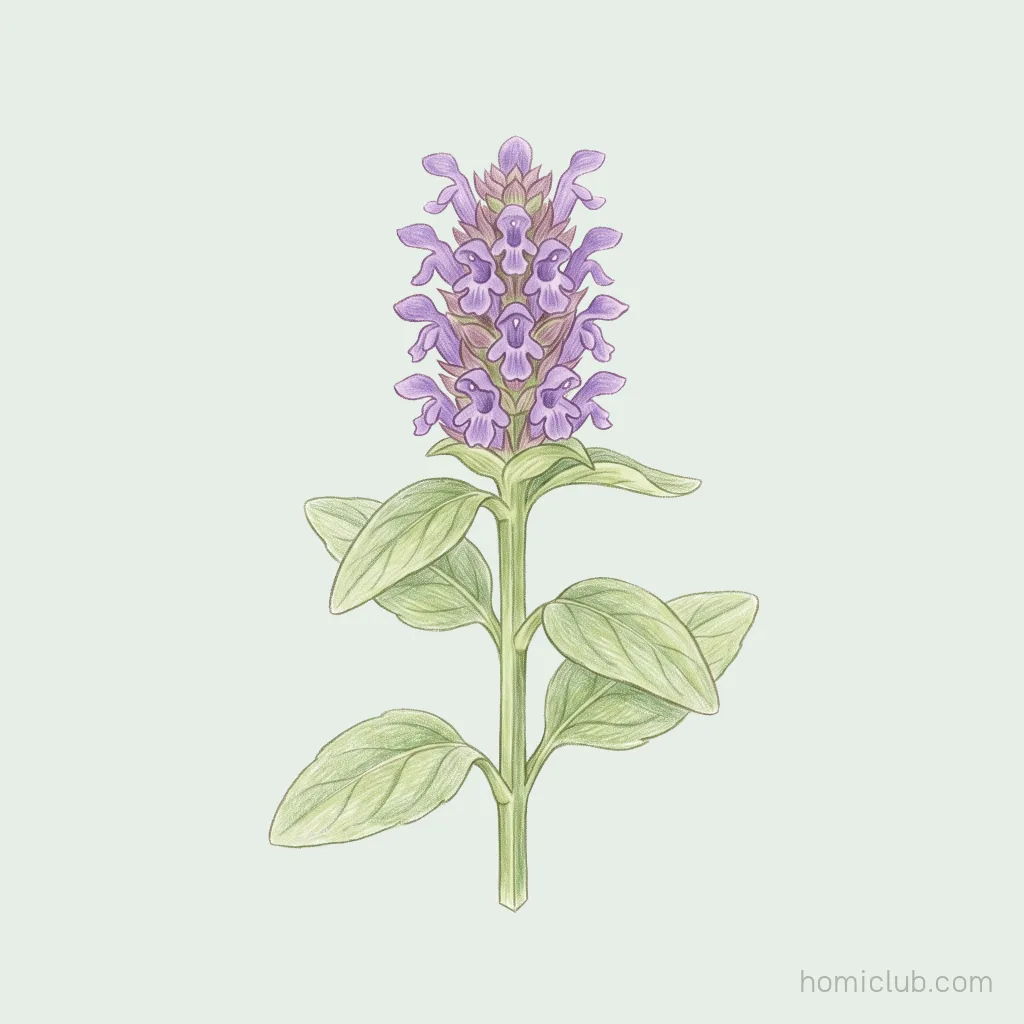
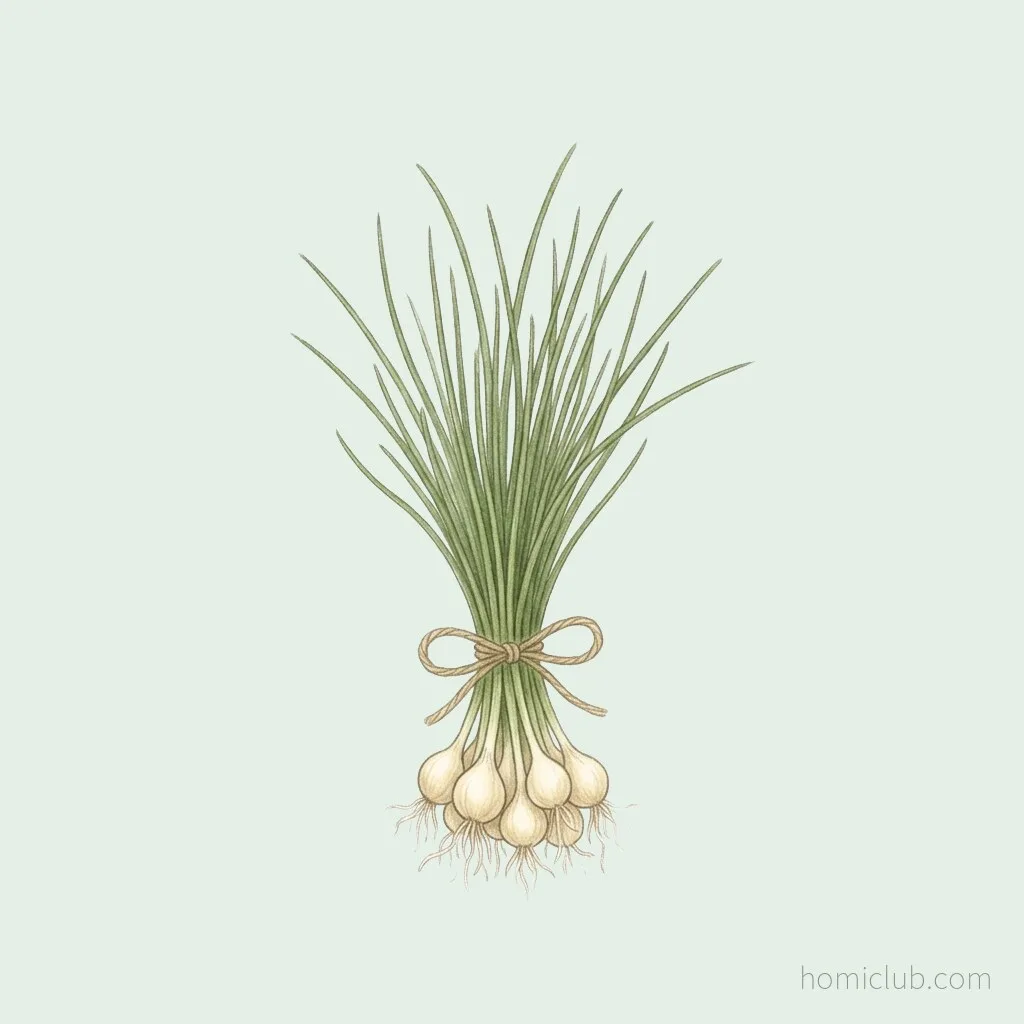
This is the root of the bindweed plant. It is a long, white, smooth rhizome that runs deep and far through the soil — the original text notes that it bears neither hairs nor nodes. When steamed, it tastes sweet, and in earlier times it was dug up as a famine food when harvests failed. The entry also records two alternative names for the plant: micho (美草, "beautiful herb") and donjangcho (㹠腸草, "piglet-intestine herb").
In farm fields, this root is exactly what makes bindweed such a notorious weed: no matter how often it is hoed out, the plant springs back from the root left in the ground.
Original, read line by line 東醫寶鑑 · Tangaek — Decoctions vol. 2
-
味甘. 主腹中寒熱, 邪氣. 利小便, 久服不飢.
Its taste is sweet. It chiefly addresses cold and heat within the abdomen and evil qi. It frees urination, and taken long it staves off hunger.
-
又主續筋骨, 合金瘡. 一名美草, 一名㹠腸草. 《本草》
It also chiefly knits sinew and bone and closes metal wounds. It is also called micho (美草, fine herb) and donjangcho (㹠腸草, pig-gut herb).《Boncho (本草)》
HomiclubThe name donjangcho appears to liken the long, pale, winding rhizome to a pig's intestine.
Herbs — more entries
This is a cultural and historical record from a classical text, not a claim about any food’s effects. Nothing here is a health supplement or intended to prevent or treat disease. Consult a medical professional about health concerns. · Text: Korean Medicine Classics DB · Reading: Homiclub