
Tangaek — Decoctions · Trees
訶子 Gaja (가자)
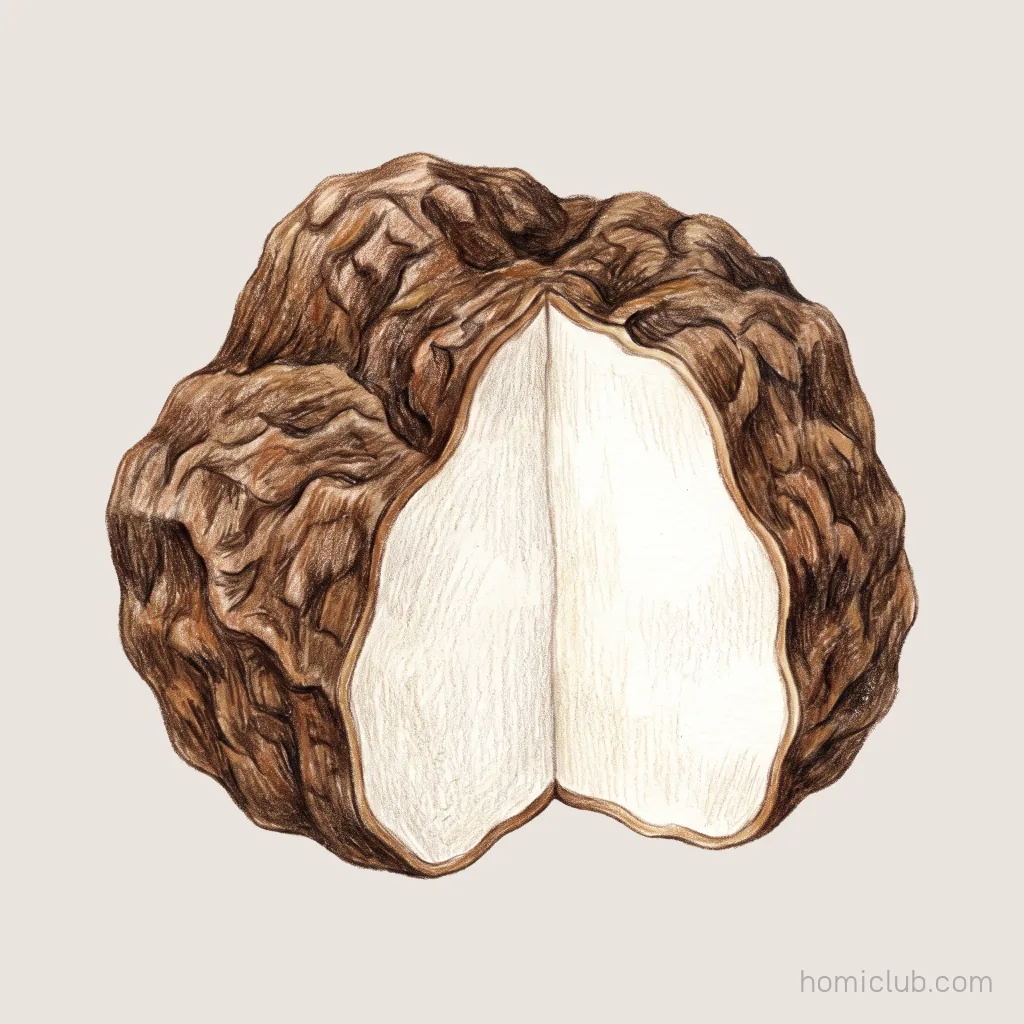
Gaja is the dried fruit of the myrobalan tree, also called garireuk. It grows in India and Southeast Asia; the fruit resembles a gardenia pod, and six-ribbed ones with thick flesh were reckoned the best. Dongui Bogam marks it 【唐】, an item that arrived by way of China.
Original, read line by line 東醫寶鑑 · Tangaek — Decoctions vol. 3
-
性溫, 味苦一云酸澁, 無毒. 消痰下氣.
Its nature is warm and its taste bitter, though one account calls it sour and astringent, and it is non-toxic. It dissolves phlegm and brings down qi.
HomiclubGaja is the dried fruit of a tree in the Combretaceae family, also called garireuk. It is a tall tree of India and Southeast Asia, known in English as chebulic myrobalan.
-
治肺氣喘急, 霍亂, 奔豚, 腎氣, 止瀉痢, 腸風瀉血, 崩中帶下, 破結氣心腹脹滿, 消食開胃, 療膈氣, 安胎.
It treats hurried breathing from lung qi, gwallan (霍亂), bundon (奔豚), and sin-gi (腎氣); it stops diarrhea and dysentery, bleeding from jangpung (腸風), flooding, and discharge; it breaks knotted qi and fullness of the chest and abdomen; it digests food and opens the stomach; and it treats gyeokgi (膈氣, diaphragmatic qi) and settles the fetus.
-
子似梔子, 皮肉相着. 七八月實熟時採. 六稜黑色肉厚者, 良. 一名訶梨勒.
The fruit resembles a gardenia, its skin and flesh clinging together. Gather it in the seventh or eighth month when the fruit ripens. Those with six ridges, black in color, and thick-fleshed are good. Another name for it is garireuk.
HomiclubA clue for recognizing the fruit is the five or six lengthwise ridges that stand out on the dried surface. In India the tree is called haritaki.
-
其子未熟時, 風飄墮者, 謂之隨風子, 暴乾收之. 彼人尤珍貴, 益小者益佳. 《本草》
Fruit that falls while still unripe, blown down by the wind, is called supungja, and it is sun-dried and stored. The people there prize it all the more, and the smaller it is the finer. 《Boncho (本草)》
-
此物能澁腸, 而又泄氣, 盖其味苦澁故爾. 《湯液》
This substance can bind the intestines and yet also drain qi, and this is because its taste is bitter and astringent. 《Tangaek (湯液)》
-
訶子以水濕麪包裹, 煨熟, 或酒浸蒸, 幷去核取肉, 焙乾用. 《入門》
Gaja is wrapped in water-moistened wheat dough and baked in ash embers, or steeped in liquor and steamed; in either case the pit is discarded, the flesh taken, and dried over a fire for use. 《Immun (入門)》
Trees — more entries
This is a cultural and historical record from a classical text, not a claim about any food’s effects. Nothing here is a health supplement or intended to prevent or treat disease. Consult a medical professional about health concerns. · Text: Korean Medicine Classics DB · Reading: Homiclub