
Tangaek — Decoctions · Herbs
續斷 Sokdan (속단)
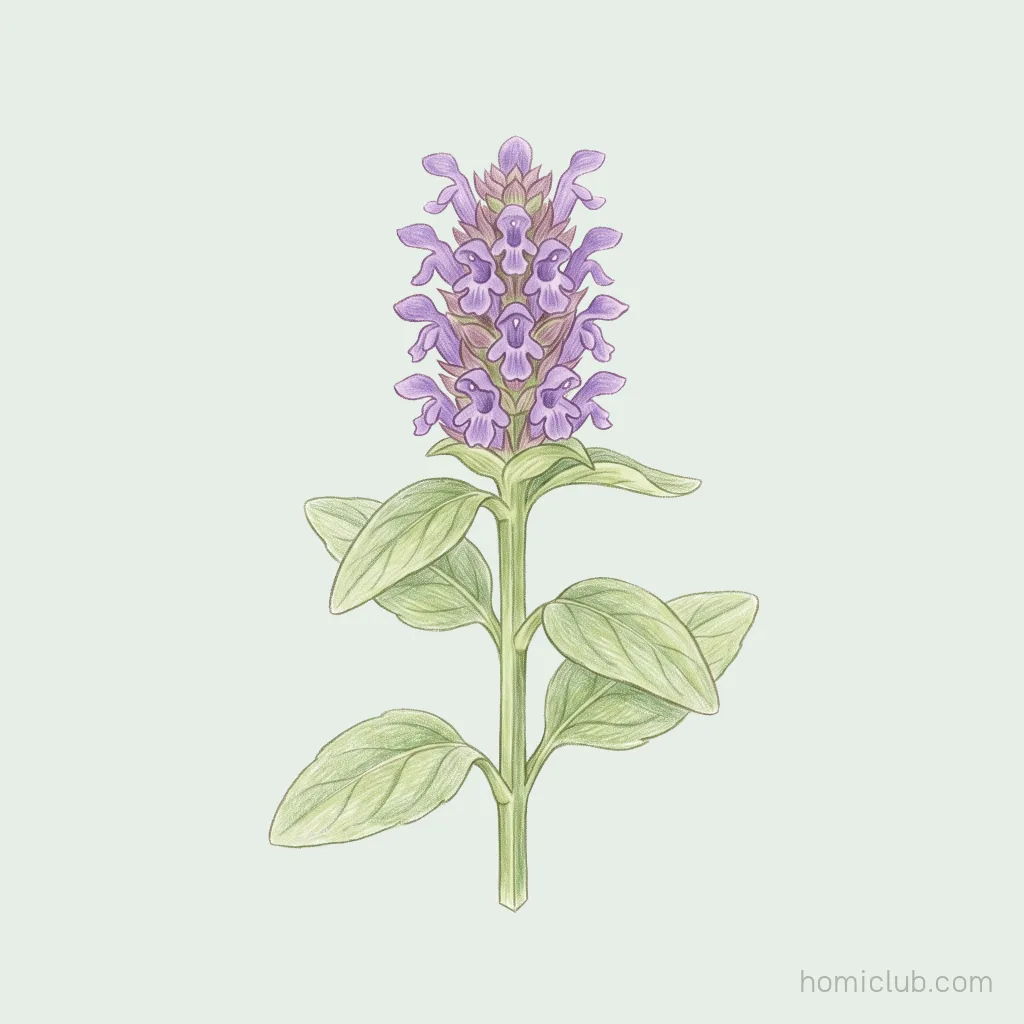
Sokdan is the root of a wild plant of hills and fields. Its stem is four-angled and its paired leaves resemble ramie; red and white flowers open in the fourth lunar month, and the roots are lifted in the seventh or eighth and dried in the shade. The two characters of its name read, literally, to join what is broken.
Original, read line by line 東醫寶鑑 · Tangaek — Decoctions vol. 2
-
性微溫, 味苦辛, 無毒. 能通經脉, 續筋骨, 助氣, 調血脉, 婦人産後一切病.
Its nature is slightly warm, its taste bitter and pungent, and it is non-toxic. It can free the gyeongmaek (經脉, channels), knit sinew and bone, aid qi, regulate the blood vessels, and serve in all postpartum disorders of women.
HomiclubSokdan is the root of a plant of hills and fields. The characters of its name mean "to join what is severed," and the text itself explains that origin further on.
-
生山野, 三月後生苗, 簳四稜, 似苧麻葉亦類, 兩兩相對而生.
It grows in hills and fields and puts up shoots after the third month. Its stalk is four-angled and its leaves too resemble those of ramie, growing in opposite pairs.
HomiclubA square stem with paired opposite leaves is a common shape among mint-family plants and serves as a clue for recognizing sokdan. Ramie, the yardstick here, is a plant with broad leaves whitish on the underside.
-
四月開花紅白色. 根如大薊赤黃色. 七月八月採根, 陰乾. 以節節斷, 皮黃皺者, 爲眞. 《本草》
In the fourth month it opens red-and-white flowers. Its root is like that of a great thistle, reddish yellow. Dig the root in the seventh and eighth months and dry it in the shade. Roots that snap at each node, with yellow, wrinkled skin, are counted genuine. 《Boncho (本草)》
-
能止痛生肌, 續筋骨, 故名爲續斷. 婦人崩漏帶下尿血, 爲最.
Because it stops pain, raises new flesh, and knits sinew and bone, it is named sokdan (續斷, "joining the severed"). For a woman's flooding, discharge, and blood in the urine it is foremost.
-
節節斷, 有烟塵起者佳. 酒浸焙乾用. 與桑寄生同功. 《入門》
Roots that snap at each node and raise a smoke-like dust are the fine ones. Steep in liquor, then dry over gentle heat for use. Its merit is the same as that of sanggisaeng (桑寄生, mulberry mistletoe). 《Ipmun (入門)》
Herbs — more entries
This is a cultural and historical record from a classical text, not a claim about any food’s effects. Nothing here is a health supplement or intended to prevent or treat disease. Consult a medical professional about health concerns. · Text: Korean Medicine Classics DB · Reading: Homiclub