
Tangaek — Decoctions · Herbs
靑黛 Jjok Namsaek Garu (쪽 남색 가루)
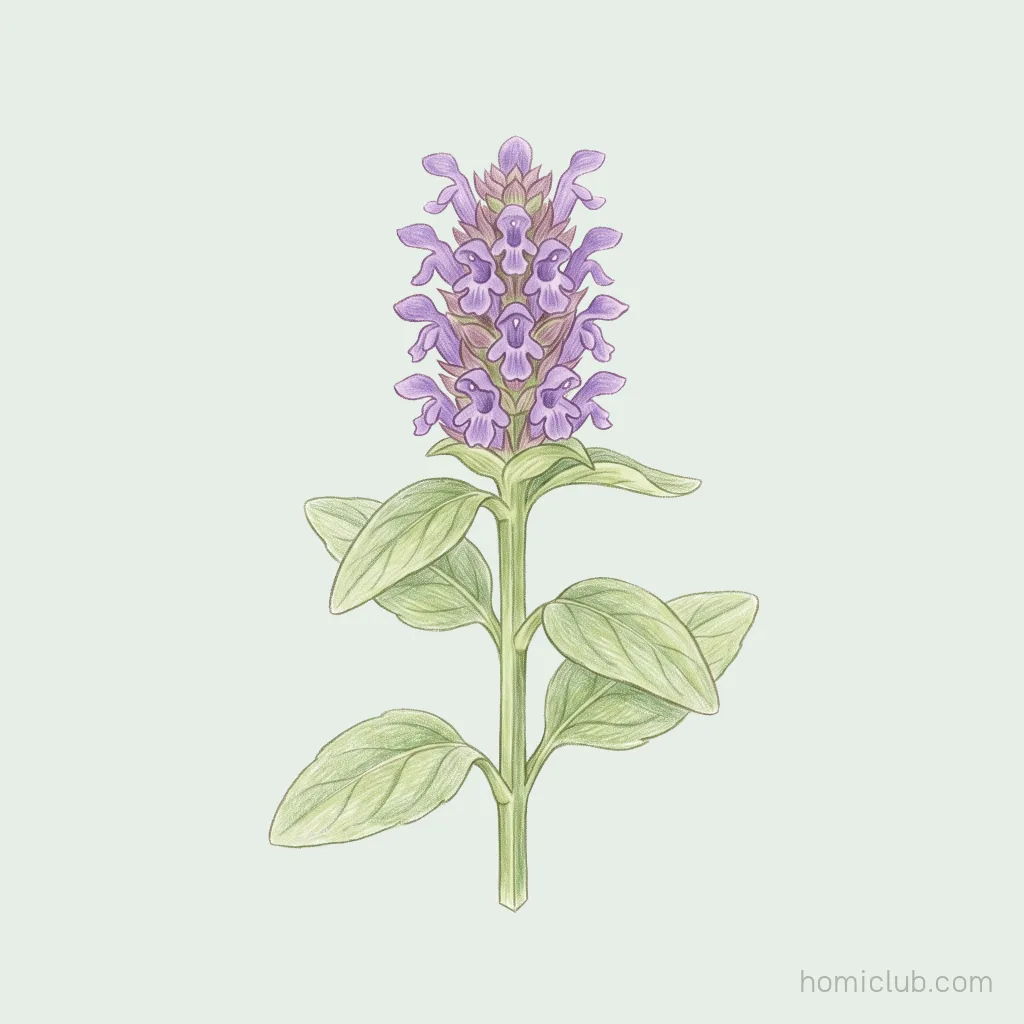
Cheongdae is the deep blue powder settled out of fermented indigo plants, the same source as the indigo that dyes cloth. The Dongui Bogam records that the character dae, meaning eyebrow black, was attached because people once drew their eyebrows with it, and gives the alternate name jeonhwa.
Original, read line by line 東醫寶鑑 · Tangaek — Decoctions vol. 2
-
性寒, 味醎, 無毒.
Its nature is cold, its taste salty, and it is non-toxic.
-
主解諸藥毒, 天行頭痛寒熱. 亦治熱瘡, 惡腫, 金瘡, 下血, 蛇犬等毒. 解小兒疳熱消瘦, 殺蟲.
It chiefly resolves the toxins of various medicines and treats epidemic headache with chills and fever. It also treats heat sores, malign swellings, wounds from metal blades, downward bleeding, and the toxins of snakes and dogs. It relieves wasting in children from gan (疳) heat and kills worms.
-
靑黛, 乃藍爲之, 以藍造者, 乃入藥. 《本草》
Cheongdae is made from jok, and only what is made from jok is put into medicine. 《Boncho (本草)》
HomiclubCheongdae is the powder made by steeping jok leaves in water until they ferment, stirring in lye, and skimming and drying the deep blue froth that rises to the top. The process that yields dye in jok dyeing is the very same one that yielded this material.
-
靑黛殺惡蟲物, 化爲水. 《丹心》
Cheongdae kills malign worms and turns them to water. 《Dansim (丹心)》
-
治熱毒蟲積疳痢, 除五藏鬱火而瀉肝. 《醫鑑》
It treats heat toxin, worm accumulation, and gan (疳) dysentery, removes fire pent up in the five viscera, and drains the gan (肝, liver). 《Uigam (醫鑑)》
-
靑色, 古人用以畵眉, 故曰黛. 卽靛花也. 《入門》
Its color being blue, people of old used it to paint their eyebrows, and so it was called dae (黛, eyebrow-black). This is jeonhwa (靛花, indigo flower). 《Immun (入門)》
HomiclubThis passage records outright why the character dae, "eyebrow-black," was attached to the name. The alternative name jeonhwa, "indigo flower," refers to the fine powder that rises like a bloom on the surface of the fermented indigo vat.
Herbs — more entries
This is a cultural and historical record from a classical text, not a claim about any food’s effects. Nothing here is a health supplement or intended to prevent or treat disease. Consult a medical professional about health concerns. · Text: Korean Medicine Classics DB · Reading: Homiclub