
Tangaek — Decoctions · Herbs
菖蒲 Syeokchyangpo (셕챵포)
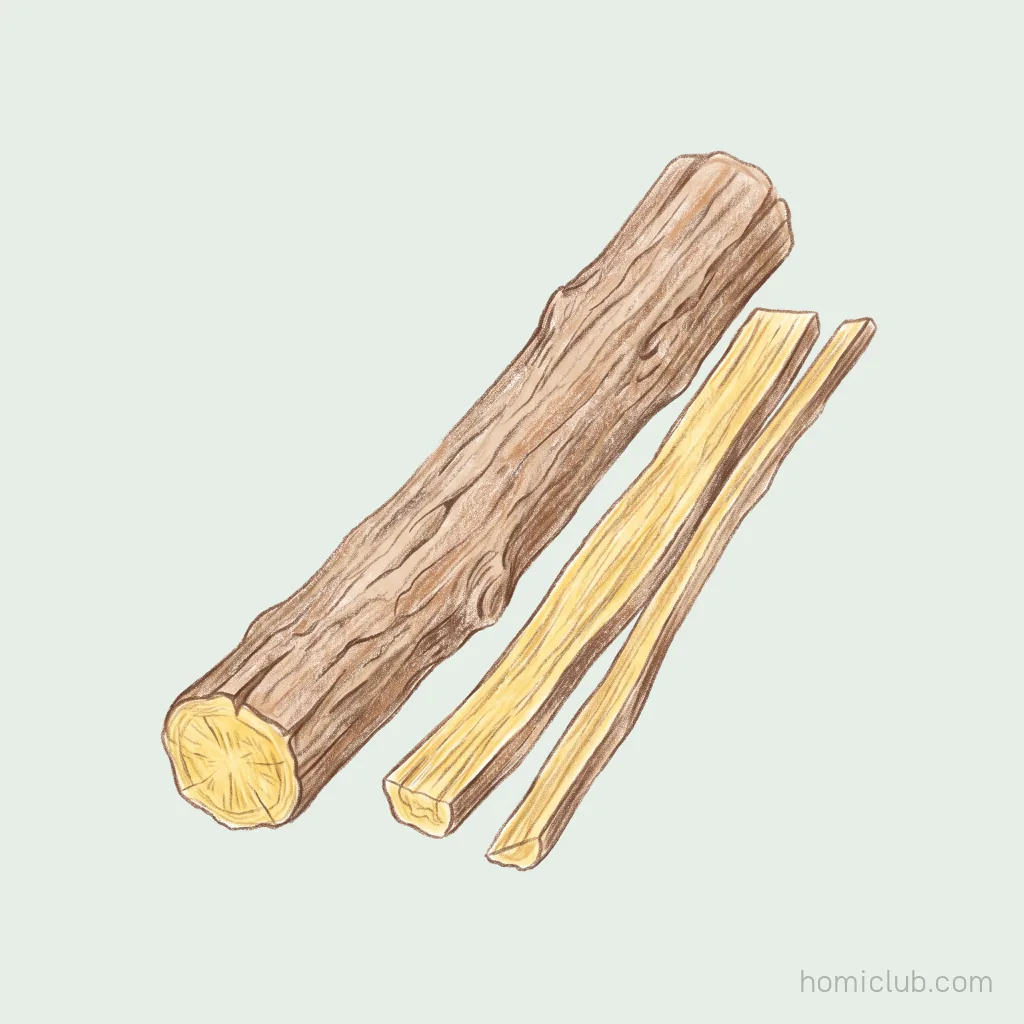
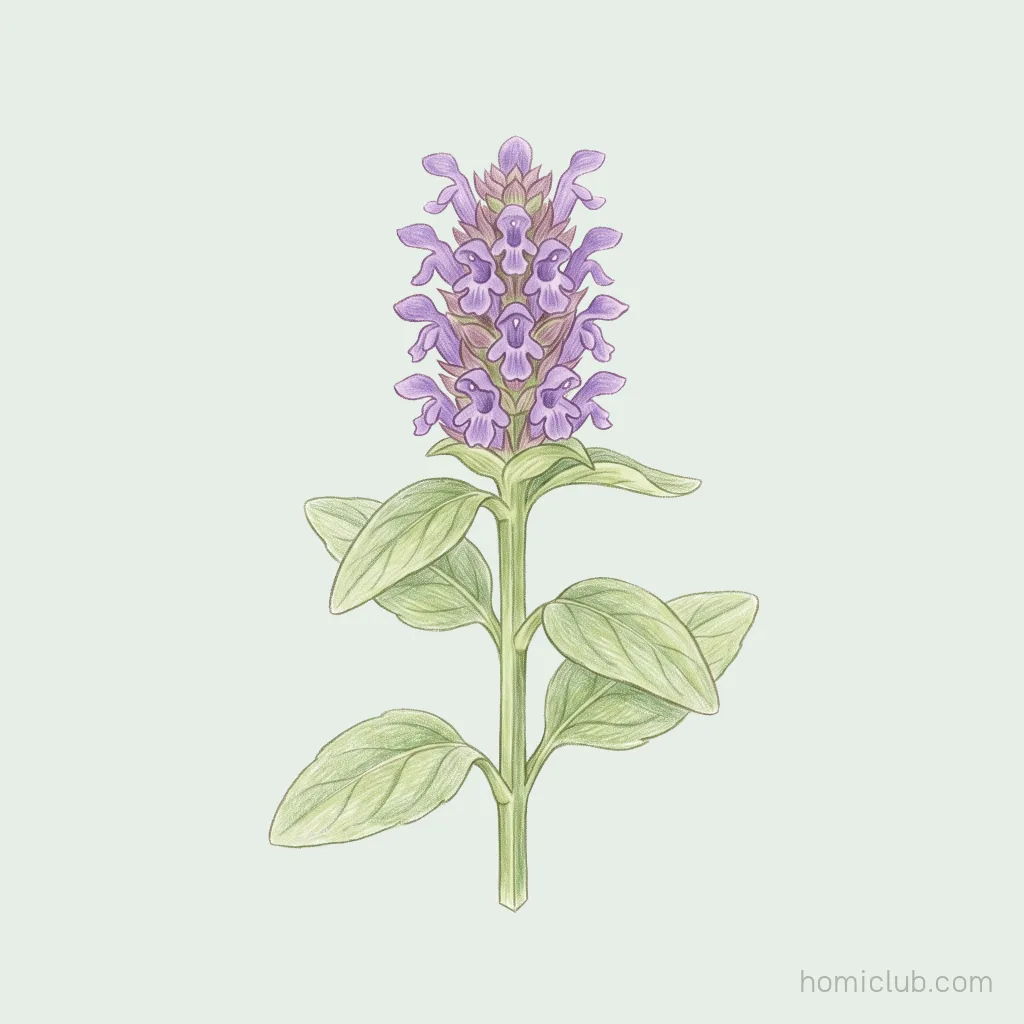
Changpo is the rhizome of a sweet flag, an arum-family perennial. The text prizes seokchangpo, which grows on stony mountain streams and carries a blade-like ridge down the middle of the leaf, and separates it from suchang of ponds, whose leaves have no ridge. Koreans know it best from washing hair in sweet-flag water at Dano.
Original, read line by line 東醫寶鑑 · Tangaek — Decoctions vol. 2
-
性溫一云平, 味辛, 無毒. 主開心孔, 補五藏, 通九竅, 明耳目, 出音聲.
Its nature is warm, though one account calls it neutral; its taste is pungent and it is non-toxic. It governs the opening of the heart orifices, supplements the ojang (五藏, five viscera), frees the nine orifices, brightens the ears and eyes, and brings out the voice.
HomiclubChangpo is the rhizome of a perennial that grows by water and in stony streams. As the old Korean gloss 'syeokchyangpo' indicates, the plant the text takes as genuine is seokchangpo, the kind of the mountain streambeds.
-
治風濕㿏痺, 殺腹藏蟲, 辟蚤虱, 療多忘, 長智, 止心腹痛.
It treats gaebi (㿏痺, numbing impediment) from wind-damp, kills worms in the belly and viscera, drives off fleas and lice, remedies forgetfulness, lengthens the wits, and stops pain in the chest and abdomen.
-
生山中石澗沙磧上. 其葉中心有脊, 狀如劒刃. 一寸九節者, 亦有一寸十二節者.
It grows on the sand and gravel of stony mountain streams. Down the middle of its leaf runs a ridge, shaped like a sword blade. Some have nine joints to the chi (寸), and some even twelve joints to the chi.
HomiclubWhether a blade-like ridge runs down the centre of the leaf is the mark used to tell true changpo. The more closely spaced the joints of the rhizome, the higher it was rated.
-
五月十二月採根, 陰乾. 今以五月五日採, 露根不可用.
The root is dug in the fifth and twelfth months and dried in the shade. Nowadays it is dug on the fifth day of the fifth month, and roots that lie exposed cannot be used.
HomiclubThe fifth day of the fifth month is Dano. Washing the hair in water boiled with changpo, and carving hairpins from its root, are Dano customs still re-enacted at the festival today.
-
初採虛軟, 暴乾方堅實. 折之中心色微赤, 嚼之辛香少滓.
Newly dug it is hollow and soft, and only after sun-drying does it turn firm. Snapped open, the centre shows a faint red, and chewed it is pungent and fragrant with little residue.
-
生下濕地. 大根者, 名曰昌陽, 止主風濕. 又有泥菖夏菖, 相似, 幷辟蚤蝨, 不堪入藥.
It also grows in low, damp ground. The thick-rooted kind is named changyang (昌陽) and governs wind-damp only. There are also ichang (泥菖) and hachang (夏菖), which resemble it and likewise drive off fleas and lice, but they will not do for medicine.
-
又有水菖, 生水澤中. 葉亦相似, 但中心無脊. 《本草》
There is also suchang (水菖), which grows in watery marshes. Its leaf too resembles the others, only there is no ridge down its middle. 《Boncho (本草)》
-
蓀無劒脊, 如韭葉者, 是也. 菖蒲有脊, 一如劒刃. 《丹心》
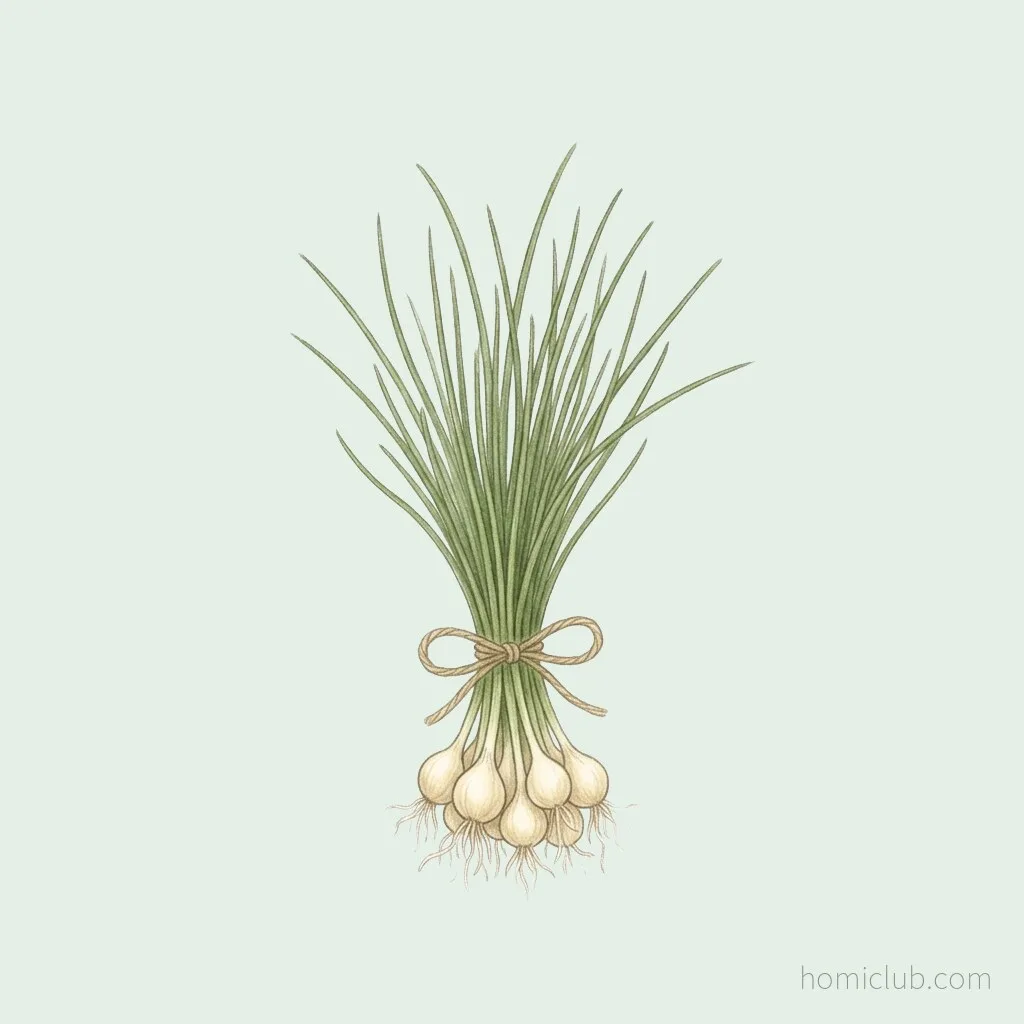
Son (蓀) is the one without a sword-ridge, the one whose leaf is like a chive leaf. Changpo has the ridge, uniformly like the edge of a blade. 《Dansim (丹心)》
Herbs — more entries
This is a cultural and historical record from a classical text, not a claim about any food’s effects. Nothing here is a health supplement or intended to prevent or treat disease. Consult a medical professional about health concerns. · Text: Korean Medicine Classics DB · Reading: Homiclub