
Tangaek — Decoctions · Trees
練實 Meolguseullamu Yeolmae (멀구슬나무 열매)
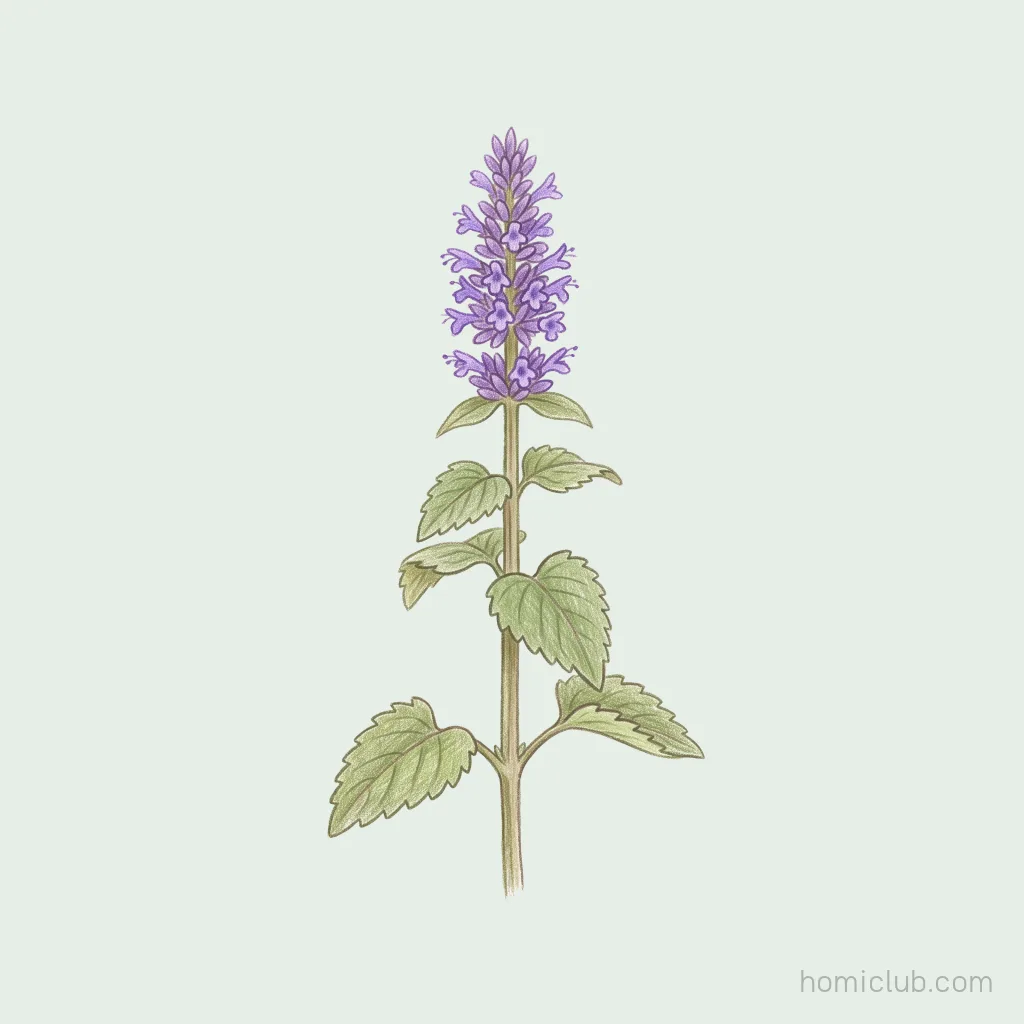
Yeonsil is the dried fruit of the chinaberry tree, also recorded as geumnyeongja and cheollyeonja. The tree opens reddish-purple blossoms in spring and carries marble-sized fruit that yellows as it ripens. Donguibogam marked it 【唐】, an import from China, and noted that in Korea it grew only on Jeju.
Original, read line by line 東醫寶鑑 · Tangaek — Decoctions vol. 3
-
性寒, 味苦, 無毒. 主溫病傷寒, 大熱煩狂. 利水道, 殺三蟲, 疥瘍.
Its nature is cold and its taste bitter, and it is non-toxic. It chiefly treats onbyeong (溫病, warm disease) and cold damage, and high fever with vexation and raving. It frees the waterways and kills the samchung (三蟲) and gaeyang (疥瘍, scabby ulcers).
HomiclubYeonsil is the fruit of the chinaberry tree, a member of the mahogany family that grows in southern Korea and on Jeju. Its pea-sized fruit ripens yellow in late autumn and hangs on the bare branches all winter.
-
一名金鈴子, 一名川練子, 一名苦練子. 木高丈餘, 葉密如槐而長.
Other names for it are geumnyeongja, cheollyeonja, and goryeonja. The tree stands somewhat over a jang (丈) tall, and its leaves are dense like those of the pagoda tree but longer.
HomiclubThe name geumnyeongja, golden bell seed, comes from the resemblance of the yellow ripe fruit to a small bell. The leaf is twice or thrice pinnate, divided into many small leaflets, which is likely why it was compared to that of the pagoda tree.
-
三四月開花, 紅紫色, 芬香滿庭. 實如彈丸, 生靑熟黃. 十二月採實. 《本草》
It flowers in the third or fourth month, reddish purple, and its fragrance fills the courtyard. The fruit is like a pellet, green when unripe and yellow when ripe. Gather the fruit in the twelfth month. 《Boncho (本草)》
-
入心經, 主上下部腹痛及諸疝. 《湯液》
It enters the sim (心, heart) channel and chiefly treats abdominal pain in the upper and lower regions and the various san (疝, hernial disorders). 《Tangaek (湯液)》
-
酒浸濕, 蒸軟, 剝取肉, 去皮核, 曬乾用. 《入門》
Steep it in liquor until moist, steam it soft, peel it and take the flesh, discard the skin and pit, and sun-dry it for use. 《Immun (入門)》
Trees — more entries
This is a cultural and historical record from a classical text, not a claim about any food’s effects. Nothing here is a health supplement or intended to prevent or treat disease. Consult a medical professional about health concerns. · Text: Korean Medicine Classics DB · Reading: Homiclub