
Tangaek — Decoctions · Trees
杜仲 Eucommia
 Related Crop · Eucommia →
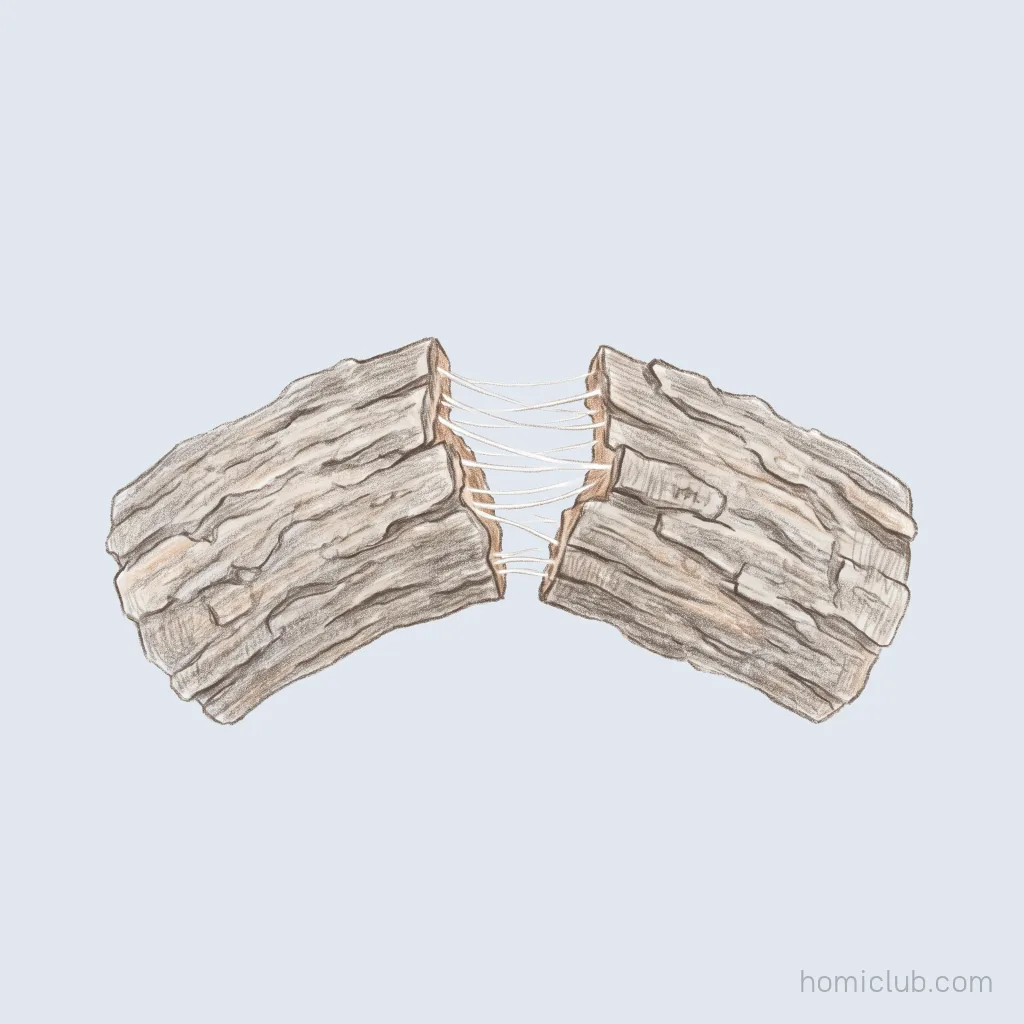
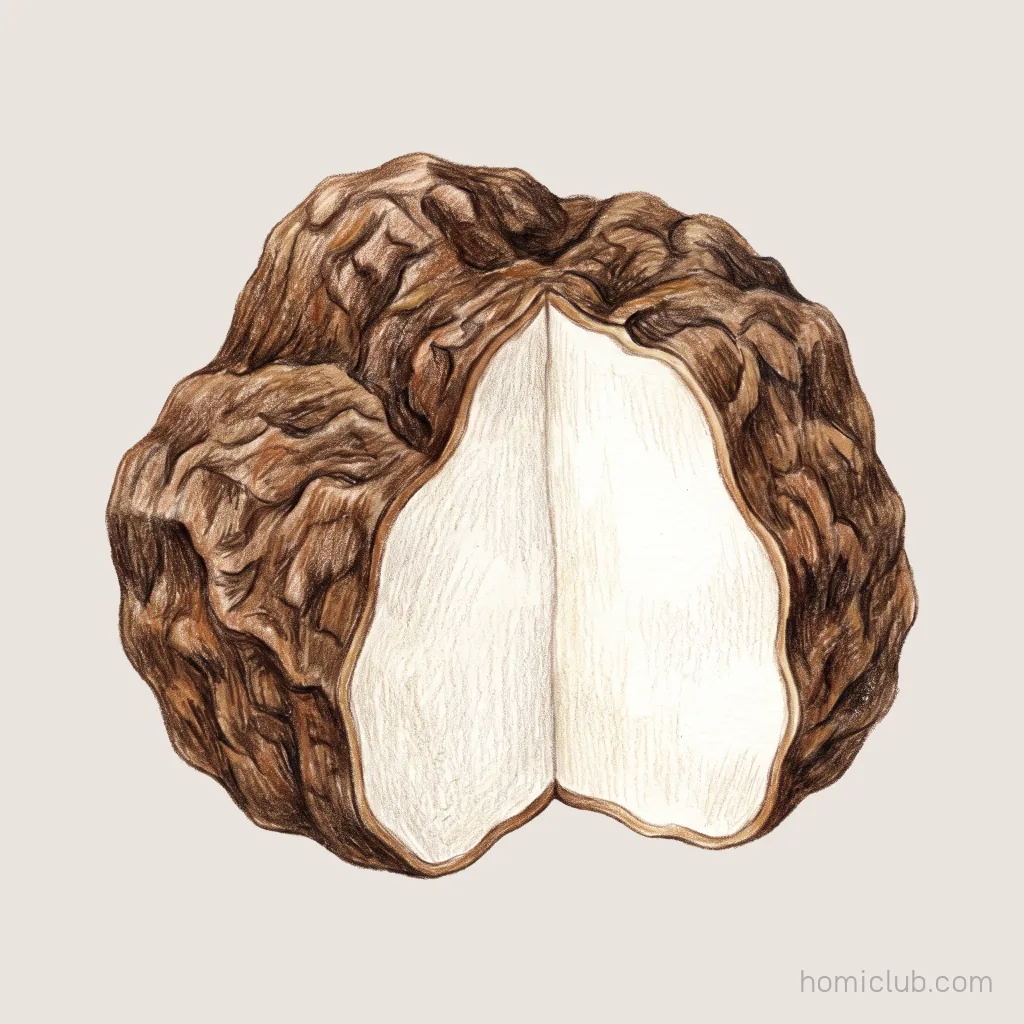
Duchung is the bark of the hardy rubber tree. Snap a good piece and white threads stretch across the break, the mark by which it is identified. It is the same bark brewed as duchung tea today, listed with the 【唐】 mark for goods imported through China.
Original, read line by line 東醫寶鑑 · Tangaek — Decoctions vol. 3
-
性平溫, 味辛甘, 無毒. 治腎勞, 腰脊攣痛, 脚中痠疼.
Its nature is neutral and warm, its taste pungent and sweet, and it is non-toxic. It addresses sinro (腎勞, kidney taxation), cramping pain of the lower back and spine, and aching soreness in the legs.
HomiclubDuchung is the bark of the duchung tree. It is the sole surviving species of its own family, a tree with no close relatives, and it was brought in from China to plant.
-
堅筋骨, 除陰下濕痒, 小便餘瀝, 益精氣, 能治腎冷, 䐴腰痛.
It firms sinew and bone, removes damp itching below the groin and the dribbling of urine, augments jeonggi (精氣, essence qi), and can address cold of the kidney and pain in the lower back.
-
狀如厚朴, 折之, 內有白絲相連者佳.
It looks like magnolia bark, and the fine kind, when snapped, has white threads running unbroken inside.
HomiclubThose white threads are strands of a rubbery substance held in the bark, and they are the surest way to identify duchung. The same threads appear when a leaf of the tree is torn.
-
削去上皮, 橫理切, 令絲斷. 《本草》
Pare away the outer bark and cut across the grain so that the threads are severed. 《Boncho (本草)》
-
削去麄皮切, 酥蜜炒, 或薑汁炒, 以絲斷爲度. 一名思仙木, 又名石思仙. 《丹心》
Pare off the coarse bark, slice it, and roast it with clarified butter and honey or with ginger juice, taking the severing of the threads as the measure. It is also called saseonmok (思仙木) and seoksaseon (石思仙). 《Dansim (丹心)》
Related Crop
Eucommia →
Trees — more entries
This is a cultural and historical record from a classical text, not a claim about any food’s effects. Nothing here is a health supplement or intended to prevent or treat disease. Consult a medical professional about health concerns. · Text: Korean Medicine Classics DB · Reading: Homiclub