
Tangaek — Decoctions · Herbs
小薊 Field thistle
 Related Crop · Field thistle →
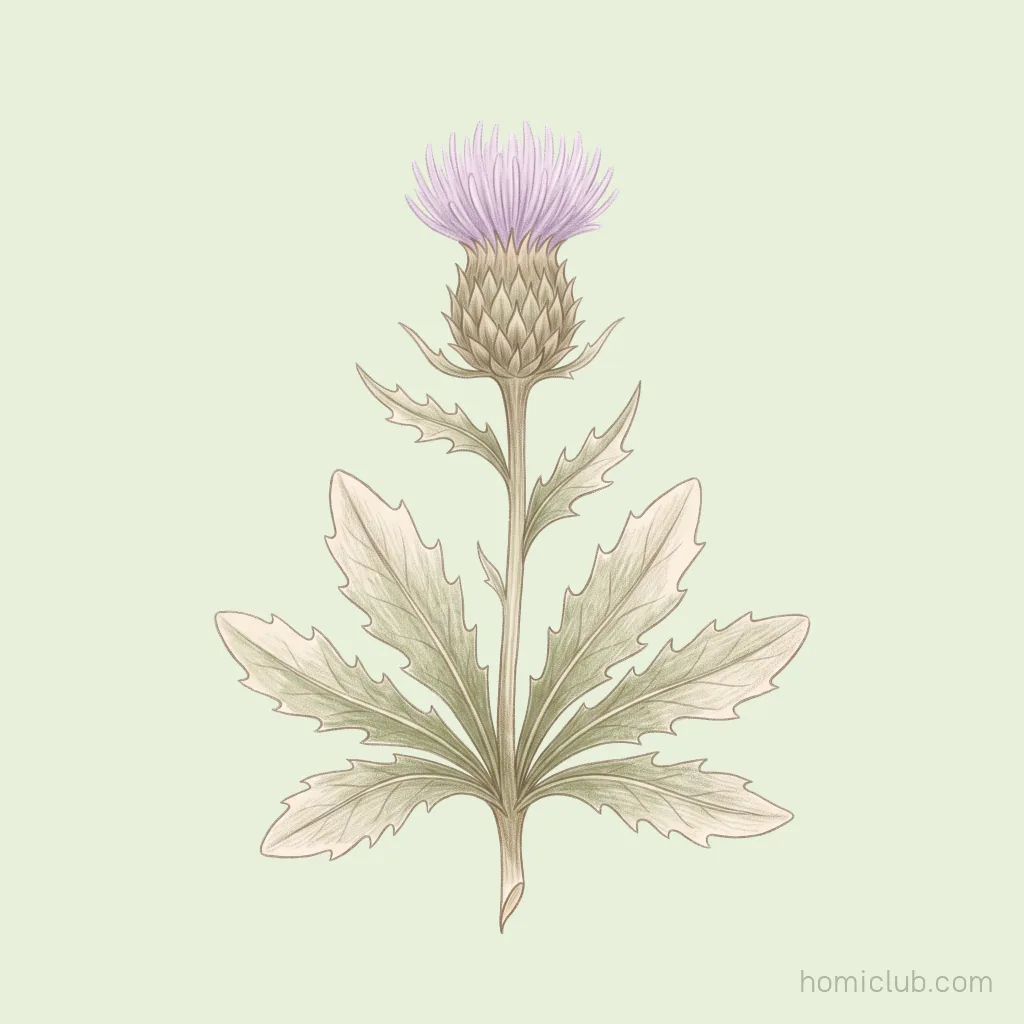
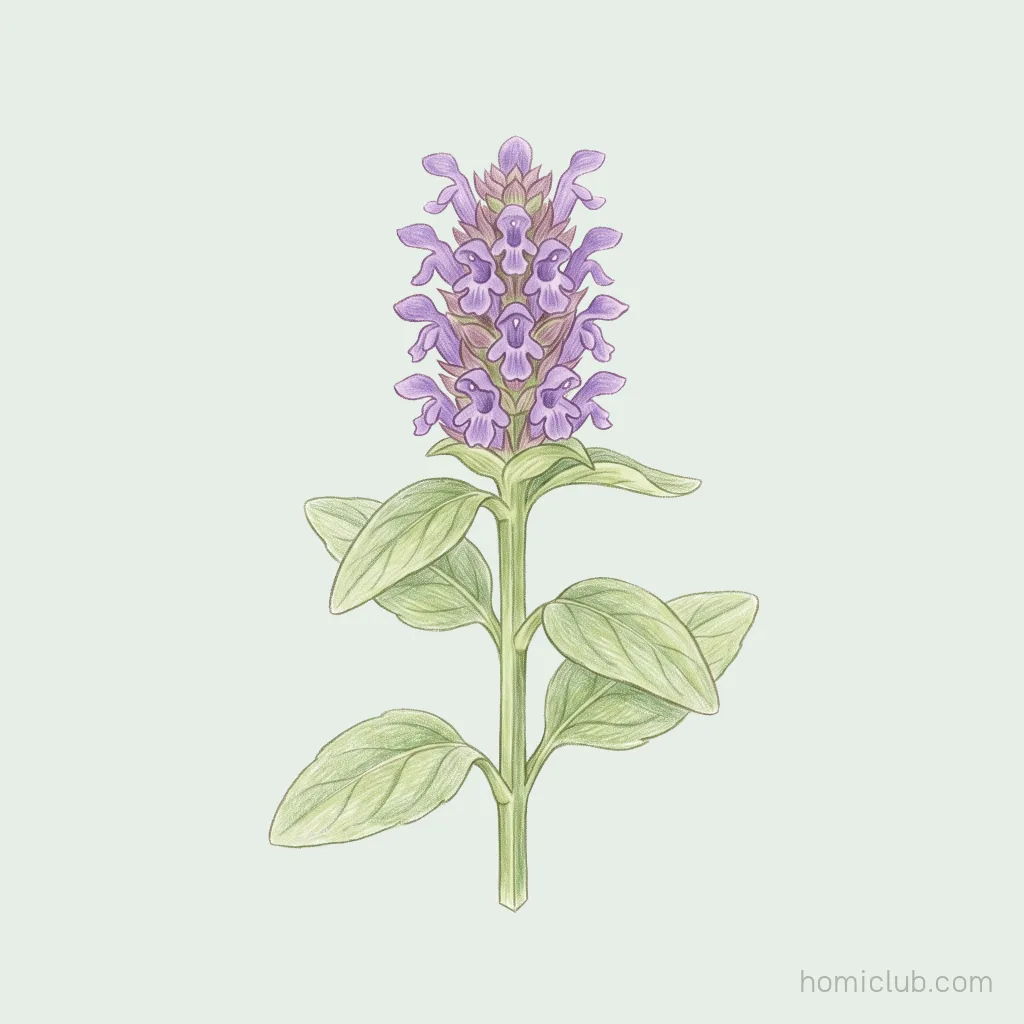
Sogye is jobaengi, a thistle of the daisy family, also called jagye. The text separates it from the larger daegye by size and leaf: barely a foot tall, with smooth rather than crinkled leaves. Its young shoots were gathered as a spring green.
Original, read line by line 東醫寶鑑 · Tangaek — Decoctions vol. 3
-
性涼, 無毒. 治熱毒風, 破宿血, 止新血, 暴下血, 血崩, 金瘡出血, 療蜘蛛蛇蝎毒.
Its nature is cool and it is non-toxic. It treats wind from heat toxin, breaks up stale blood and stanches fresh blood, checks sudden bleeding, hyeolbung (血崩, flooding), and bleeding from metal wounds, and treats the venom of spiders, snakes, and scorpions.
HomiclubSogye is jobaengi (Breea segeta), a composite-family perennial common on paddy banks and field edges. It spreads by underground stems to form colonies, and its young shoots were eaten as a vegetable.
-
大小薊, 俱能破血, 但小薊力微, 不能消腫.
Both daegye and sogye can break up blood, but sogye is weak in strength and cannot disperse swellings.
-
大小薊皆相似, 但大薊高三四尺, 葉皺, 小薊高一尺許, 葉不皺. 以此爲異, 功力有殊.
Daegye and sogye closely resemble each other, but daegye stands three or four cheok tall with wrinkled leaves, while sogye is only about one cheok tall with leaves that are not wrinkled. This is how they differ, and their strengths differ accordingly.
HomiclubHere height and leaf texture are used to separate the thistle from jobaengi. Jobaengi is still much the smaller of the two, with softer spines along its leaves.
-
大薊破血之外, 亦療癰腫, 小薊專主血疾. 一名刺薊. 《本草》
Besides breaking up blood, daegye also treats abscesses and swellings, while sogye governs blood disorders alone. It is also called jagye (刺薊). 《Boncho (本草)》
Related Crop
Field thistle →
Herbs — more entries
This is a cultural and historical record from a classical text, not a claim about any food’s effects. Nothing here is a health supplement or intended to prevent or treat disease. Consult a medical professional about health concerns. · Text: Korean Medicine Classics DB · Reading: Homiclub