
Tangaek — Decoctions · Herbs
實 Haneultari Yeolmae (하늘타리 열매)
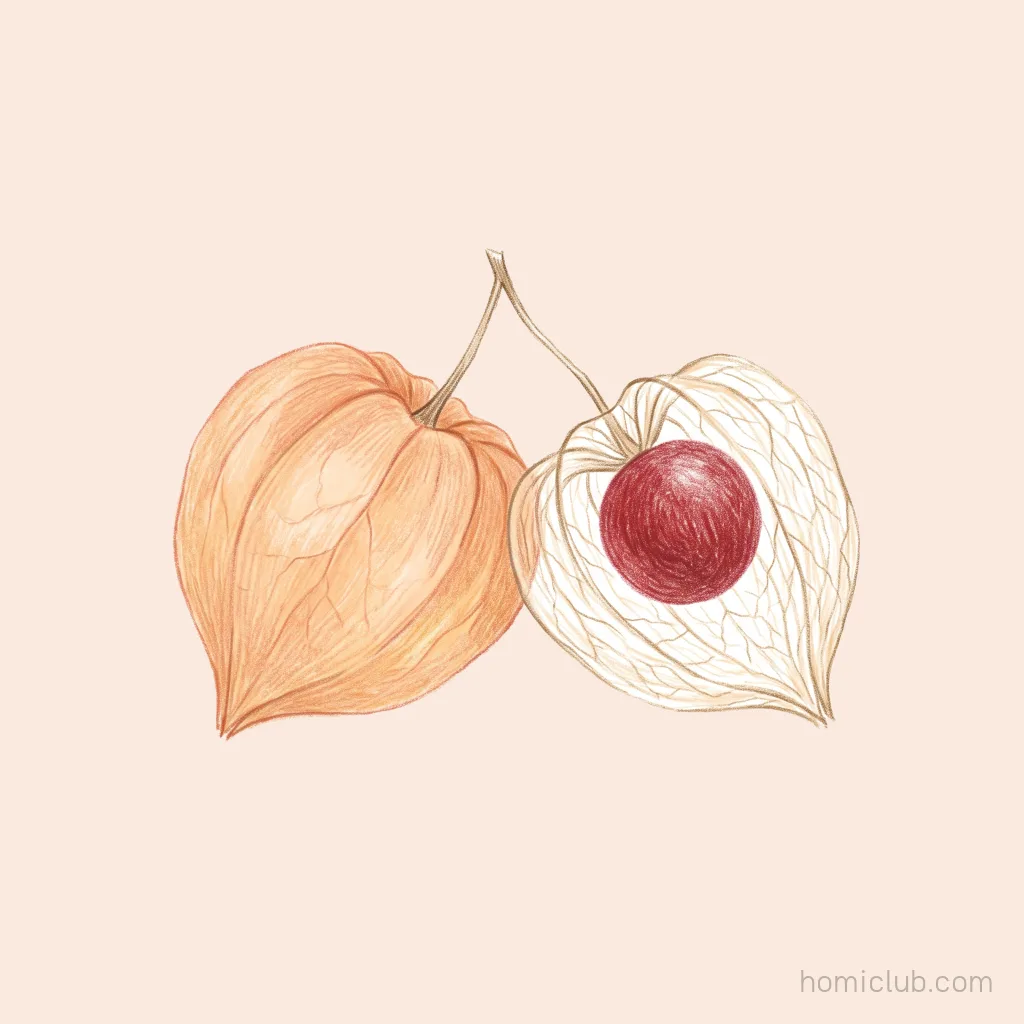
This is the fruit of the haneultari, or trichosanthes vine (Trichosanthes kirilowii). Round and ripening to a bright orange as it hangs from the vine in autumn, it is recorded in the original text under the folk name cheonwonja (天圓子), literally "heaven's round fruit." The name can refer to the rind, juice, and seeds taken together, but the parts were also separated for individual use — which is why the seed kernel (in, 仁) receives its own entry later on. The soft flesh inside the fruit is called the pulp (yang, 瓤), and the text takes care to distinguish between its dried and moist forms.
Original, read line by line 東醫寶鑑 · Tangaek — Decoctions vol. 2
-
性冷, 味苦, 無毒. 主胸痺. 潤心肺, 療手面皺.
Its nature is cold, its taste bitter, and it is non-toxic. It chiefly addresses hyungbi (胸痺, chest impediment). It moistens the heart and lung and addresses chapped, wrinkled hands and face.
-
治吐血, 瀉血, 腸風, 赤白痢, 幷炒用.
It treats vomiting of blood, bleeding stool, jangpung (腸風, intestinal wind), and red and white dysentery; for all of these use it roasted.
-
果臝之草, 其實名爲瓜蔞. 又曰, 果臝之實, 名爲瓜蔞. 俗名天圓子. 《本草》
The fruit of the plant called gwara (果臝) is named gwaru (瓜蔞). It is also said that the fruit of gwara is named gwaru. Its common name is cheonwonja (天圓子, heaven-round seed). 《Boncho (本草)》
HomiclubThe common name, "heaven-round seed," appears to come from the round fruit hanging high on the vine. After the leaves fall, the orange fruits remain on the bare vine and stand out on a winter hillside.
-
瓜蔞實, 洗滌胸膈中垢膩, 此卽連皮汁幷子而言也. 《丹心》
Gwaru fruit washes away grime and grease within the chest and diaphragm; this refers to rind, juice, and seed taken together. 《Dansim (丹心)》
-
實, 治氣喘結胸痰嗽. 《醫鑑》
The fruit treats panting, gyeolhyung (結胸, chest bind), and phlegm cough. 《Uigam (醫鑑)》
-
瓤, 乾者煎服, 化痰降氣, 濕者, 治肺燥熱渴, 大便秘. 《入門》
As for the yang (瓤, fruit pulp), the dried sort boiled and taken transforms phlegm and sends qi downward, while the moist sort treats dryness and heat in the lung with thirst, and bound stool. 《Ipmun (入門)》
Herbs — more entries
This is a cultural and historical record from a classical text, not a claim about any food’s effects. Nothing here is a health supplement or intended to prevent or treat disease. Consult a medical professional about health concerns. · Text: Korean Medicine Classics DB · Reading: Homiclub