
Tangaek — Decoctions · Herbs
甘松香 Gamsonghyang (감송향)

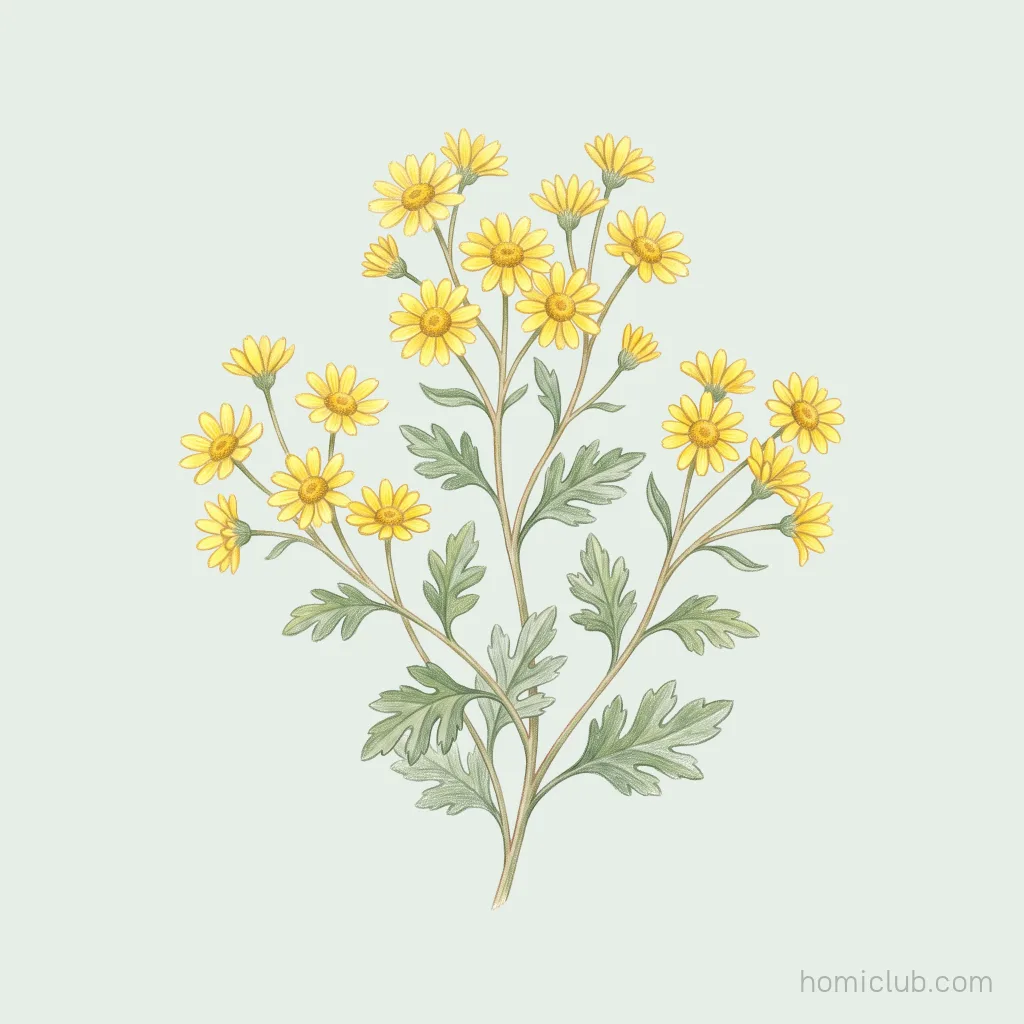
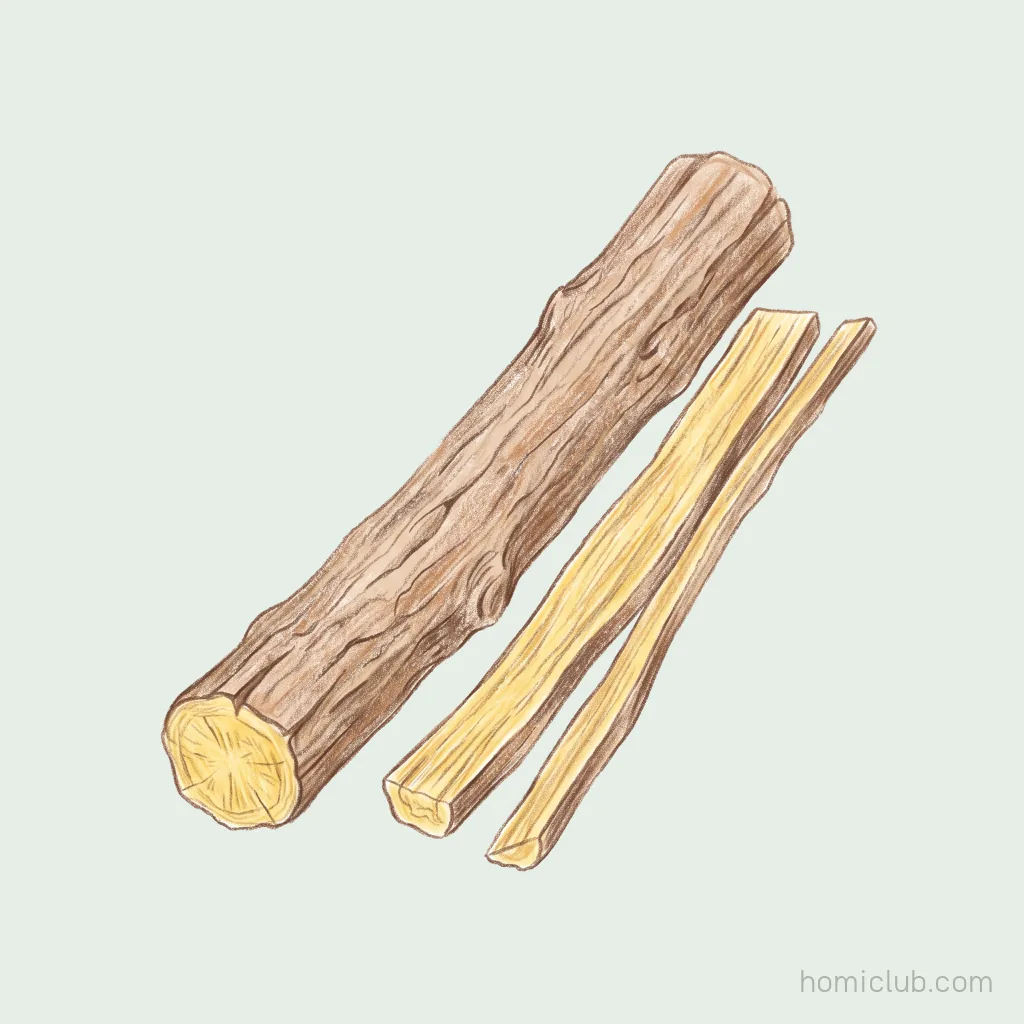
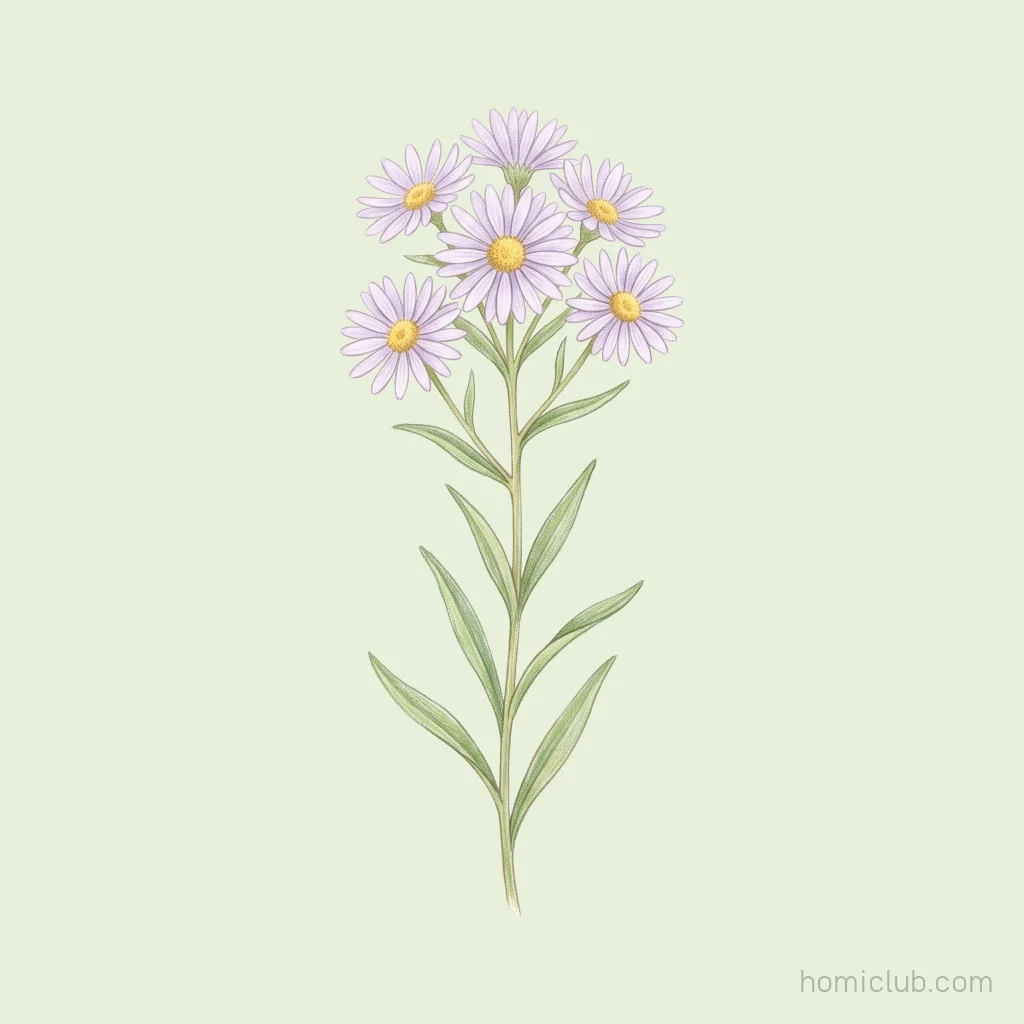
Gamsonghyang is the dried root and rhizome of nard, used as an aromatic. The plant grows in tufts with fine leaves, and the material went into blended incense. It is the same fragrance the West knows as spikenard; Dongui Bogam marks it 【唐】, imported from China.
Original, read line by line 東醫寶鑑 · Tangaek — Decoctions vol. 3
-
【唐】 性溫, 味甘, 無毒. 主心腹痛, 下氣.
[Dang (唐)] Its nature is warm, its taste sweet, and it is non-toxic. It governs pain in the chest and abdomen and descends qi.
HomiclubGamsonghyang is a dried aromatic made from the root and rhizome of a plant of the high Himalaya. It belongs to the same group as the fragrance known in the West as nard or spikenard. Because the plant is dug up whole for trade, wild stands of gamsong (Nardostachys jatamansi) have declined sharply; it was listed in CITES Appendix II in 1997, and the IUCN classes it as Critically Endangered.
-
叢生, 葉細, 用合諸香. 《本草》
It grows in clumps with slender leaves, and is used when compounding various fragrances. 《Boncho (本草)》
HomiclubLi Shizhen explained the name gamsong as coming from Songzhou (松州) in western Sichuan, where it grew, and from its sweet (甘) taste. The method for making stick incense (線香) recorded in the Bencao Gangmu also lists gamsong and the samnae of the next line among its ingredients, along with angelica root and clove.
-
又有三柰子, 性味頗同, 入諸香料. 《入門》
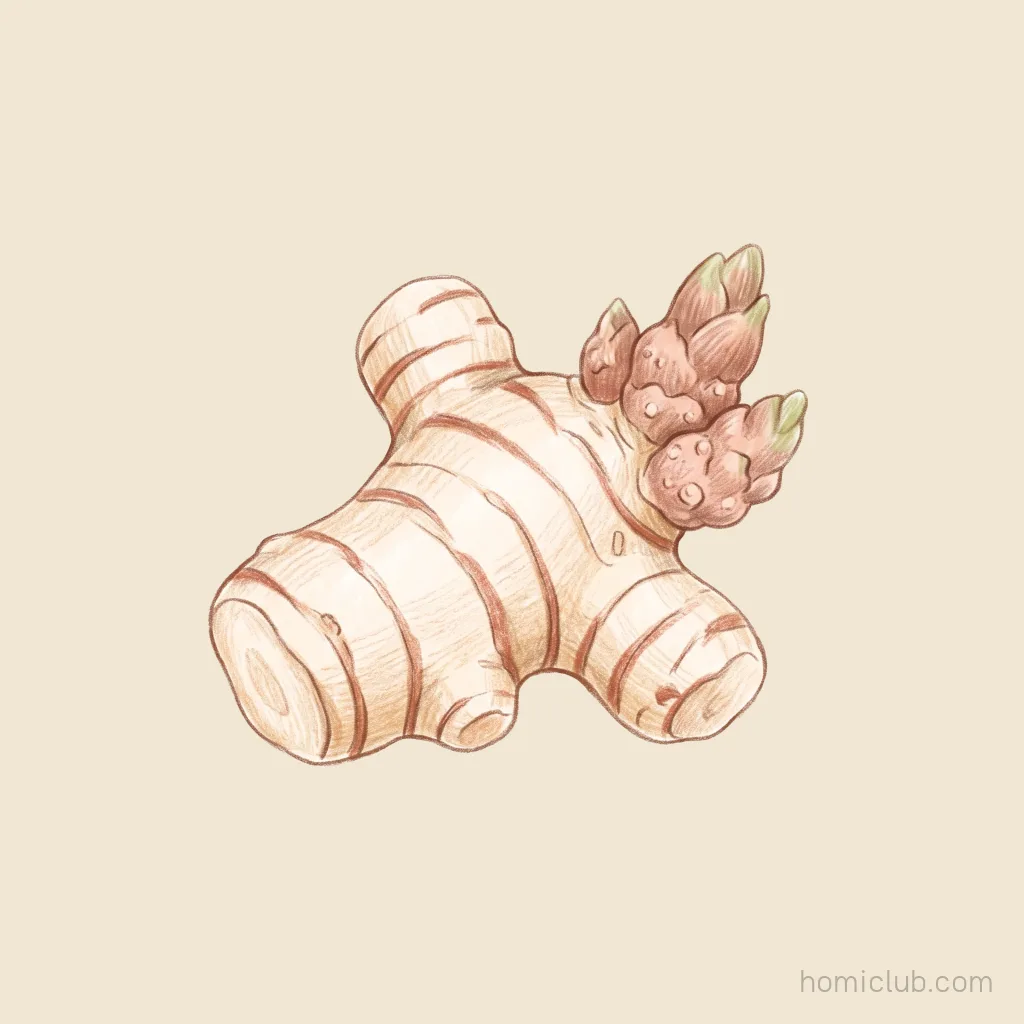
There is also samnaeja (三柰子, sand ginger), whose nature and taste are much the same, and it goes into various aromatic blends. 《Immun (入門)》
HomiclubThe Bencao Gangmu regarded samnae (三柰) as a miswriting of sannae (山柰) that arose because southerners pronounced 山 like 三. What is called 山柰 (shannai) in China today is the rhizome of Kaempferia galanga of the ginger family, sold in Chinese groceries under the name shajiang (沙薑), sand ginger.
Herbs — more entries
This is a cultural and historical record from a classical text, not a claim about any food’s effects. Nothing here is a health supplement or intended to prevent or treat disease. Consult a medical professional about health concerns. · Text: Korean Medicine Classics DB, collated with the Jangseogak copy of the 1613 wooden movable-type edition · Reading: Homiclub