
Tangaek — Decoctions · Herbs
蒼朮 Atractylodes
 Related Crop · Atractylodes →
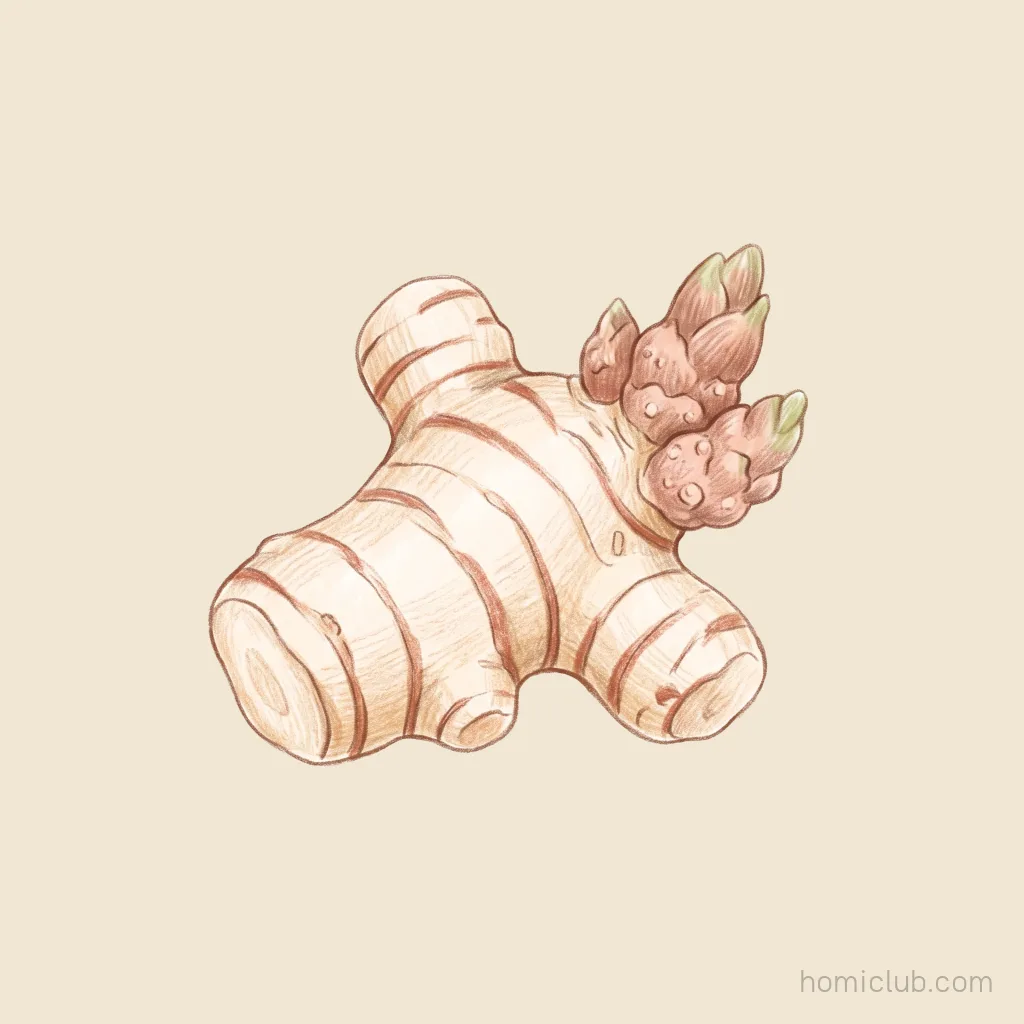
Changchul is the rhizome of the atractylodes plant. It pairs with baekchul, the peeled white core, while changchul keeps its brown skin and a sharp pungent smell. It was soaked in rice-washing water, scraped of coarse bark, and roasted to a yellow color.
Original, read line by line 東醫寶鑑 · Tangaek — Decoctions vol. 2
-
性溫, 味苦辛, 無毒.
Its nature is warm, its taste bitter and pungent, and it is non-toxic.
HomiclubChangchul and baekchul are two names drawn from the same plant, sapju. The peeled, white-fleshed piece was called baekchul, while the unpeeled piece with brown skin and a sharp pungent smell was called changchul.
-
治上中下濕疾. 寬中發汗, 破窠囊痰飮, 痃癖氣塊, 山嵐瘴氣.
It treats damp diseases of the upper, middle, and lower body. It loosens the middle burner and induces sweating, and it breaks up pocketed damum (痰飮, phlegm-rheum), hyeonbyeok (痃癖, abdominal cords and lumps), gigoe (氣塊, qi masses), and sallamjanggi (山嵐瘴氣, mountain miasma).
-
治風寒濕痺, 療霍亂吐瀉不止, 除水腫脹滿.
It treats bi (痺, impediment) from wind, cold, and damp, checks unceasing vomiting and diarrhea from gwallan (霍亂), and removes water swelling and distending fullness.
-
蒼朮, 其長如大小指, 肥實如連珠, 皮色褐, 氣味辛烈.
Changchul is about the length of a thumb or little finger, plump like a string of beads, brown-skinned, and fierce and pungent in qi and taste.
HomiclubSapju grows in clusters on sunny hill slopes; a cut rhizome shows scattered reddish oil dots and holds a sharp scent for a long time. That scent and the brown skin are the marks by which changchul is recognized.
-
須米泔浸一宿, 再換泔浸一日, 去上麄皮, 炒黃色用. 《本草》
Soak it in rice-washing water overnight, change the water and soak it another day, then strip off the coarse outer skin and stir-fry it until yellow before use. 《Boncho (本草)》
-
一名山精, 採法同白朮. 《本草》
One of its names is sanjeong (山精, mountain essence), and it is gathered in the same way as baekchul. 《Boncho (本草)》
-
入足陽明ㆍ太陰經, 能健胃安脾. 《入門》
It enters the foot yangmyeong and foot taeeum channels, and can fortify the wi (胃, stomach) and settle the bi (脾, spleen). 《Immun (入門)》
-
蒼朮, 雄壯上行之藥, 能除濕安脾. 《易老》
Changchul is a medicine of bold, vigorous qi that travels upward, and it can remove damp and settle the spleen. 《Yeongno (易老)》
Related Crop
Atractylodes →
Reading on Atractylodes
Herbs — more entries
This is a cultural and historical record from a classical text, not a claim about any food’s effects. Nothing here is a health supplement or intended to prevent or treat disease. Consult a medical professional about health concerns. · Text: Korean Medicine Classics DB · Reading: Homiclub