
Tangaek — Decoctions · Herbs
茜根 Gokdosyong (곡도숑)
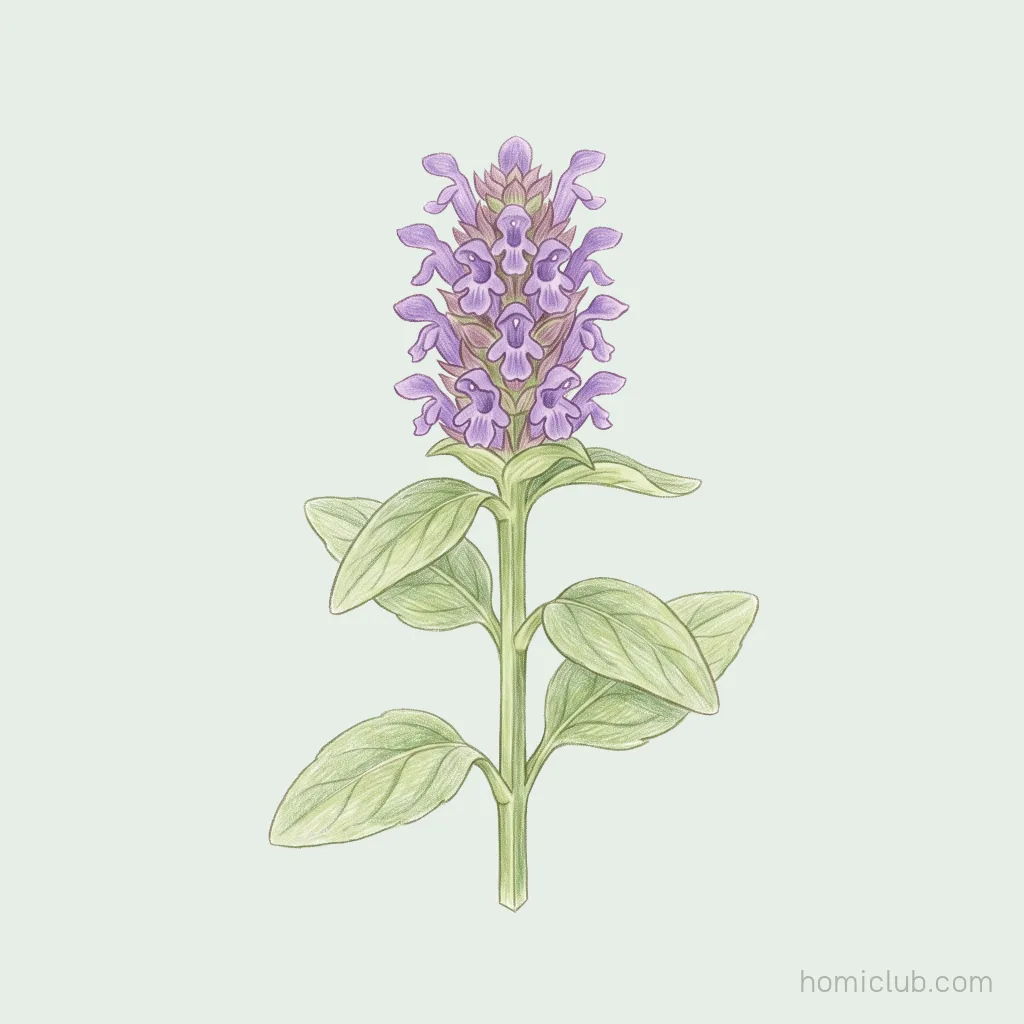
Cheongeun is the root of madder, recorded under the old Korean name gokdosyong. The purplish-red root has been a source of red dye since antiquity, and the Donguibogam says as much outright. It also gives an alternate name, gwasanryong.
Original, read line by line 東醫寶鑑 · Tangaek — Decoctions vol. 2
-
性寒, 味甘, 無毒. 主六極傷心肺, 吐血, 瀉血用之.
Its nature is cold, its taste sweet, and it is non-toxic. It chiefly addresses damage to the heart and lung from the yukgeuk (六極, six exhaustions), and is used when blood is vomited or discharged.
HomiclubCheongeun is the root of the madder plant. Gokdosyong is its old Korean name, and the purplish-red root has long yielded a red dye.
-
止衄吐便尿血, 崩中下血. 治瘡癤, 殺蠱毒.
It stops nosebleed, vomited blood, blood in stool and urine, and bleeding from bungjung (崩中, flooding). It treats sores and boils and kills godok (蠱毒, gu poisoning).
-
此草可以染絳, 葉似棗葉, 而頭尖下闊, 莖葉俱澁, 四五葉對生節間, 蔓延草木上, 根紫赤色.
With this plant one can dye crimson. Its leaves are like jujube leaves but pointed at the tip and broad below; stems and leaves alike are rough; four or five leaves stand around each node; it trails over grasses and trees; and its root is purplish red.
HomiclubThe roughness of stem and leaf comes from tiny downward-curved prickles, the hooks by which madder climbs over other plants. The whorl of leaves at each node is another easy mark of recognition.
-
生山野, 二月三月採根, 暴乾. 入藥, 剉炒用之. 《本草》
It grows in hills and fields; dig the root in the second and third months and dry it in the sun. For medicinal use, cut and roast it. 《Boncho (本草)》
-
銅刀剉炒, 勿犯鉛鐵. 《入門》
Cut it with a copper knife and roast it; do not let it touch lead or iron. 《Ipmun (入門)》
-
一名過山龍. 《正傳》
It is also called gwasanryong (過山龍, "mountain-crossing dragon"). 《Jeongjeon (正傳)》
Herbs — more entries
This is a cultural and historical record from a classical text, not a claim about any food’s effects. Nothing here is a health supplement or intended to prevent or treat disease. Consult a medical professional about health concerns. · Text: Korean Medicine Classics DB · Reading: Homiclub