
Tangaek — Decoctions · Trees
巴豆 Padu (파두)
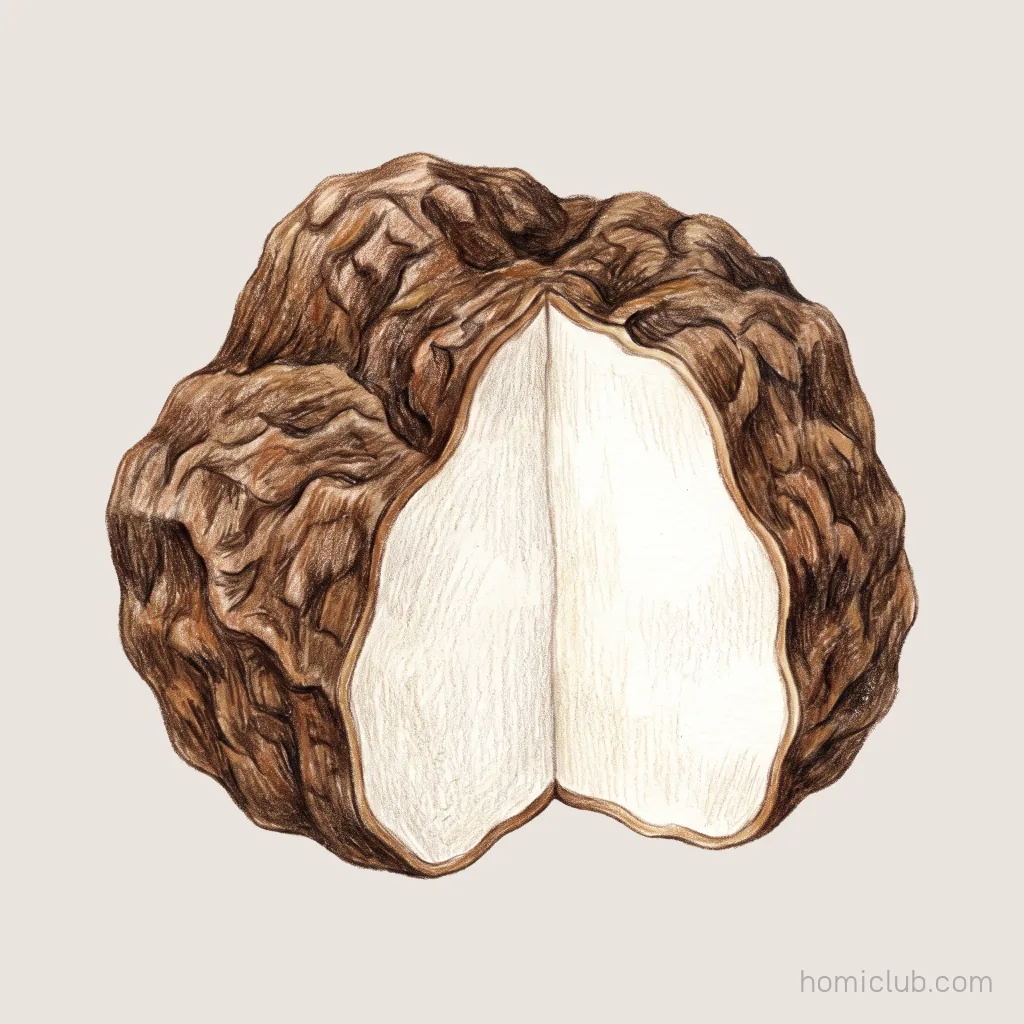
Padu is the seed of a spurge-family tree. The name comes from Ba-Shu in China, its source, and Donguibogam carries the 【唐】 import mark. The text warns repeatedly against casual use: this is a violently poisonous material, handled only as a prepared medicine.
Original, read line by line 東醫寶鑑 · Tangaek — Decoctions vol. 3
-
性熱一云生溫熟寒, 味辛, 有大毒.
Its nature is hot, though one account says it is warm raw and cold cooked; its taste is pungent, and it carries great toxicity.
HomiclubPadu is the seed of a tree in the spurge family. The compounds in the seed are a powerful irritant poison to skin and mucous membrane, and it is no longer handled as anything a person consumes.
-
蕩鍊五藏六府, 開通閉塞, 利水穀道, 破癥瘕, 積聚, 痰癖, 留飮.
It scours and tempers the five viscera and six bowels, opens what is blocked, frees the water and grain passages, and breaks up jingga (癥瘕), jeokchwi (積聚, gathered masses), dam-byeok (痰癖), and yueum (留飮, retained fluid).
-
治十種水病, 除鬼疰蠱毒, 去惡瘡息肉, 墮胎, 殺蟲魚及斑猫毒, 又殺腹藏蟲.
It treats the ten kinds of water disorder, clears gwiju (鬼疰) and godok (蠱毒), removes malignant sores and proud flesh, brings down a fetus, kills the poison of insects, fish, and banmyo (斑猫, blister beetle), and also kills worms within the abdomen.
-
出巴蜀, 形似大豆, 最能瀉人. 新者佳, 得火良.
It comes from Pachok (巴蜀, Sichuan), its shape resembles a soybean, and it is the strongest of all in purging a person. Fresh ones are good, and it improves with fire.
HomiclubPachok is the old name for what is now Sichuan in China, and the first half of the name padu comes from it. The final graph du (豆, bean) was attached because the seed resembles a bean.
-
其中一名江子, 顆小似棗核, 兩頭尖者勿用, 能殺人. 《本草》
Among them is one called gangja; those with small grains like a jujube pit and pointed at both ends must not be used, for they can kill a person. 《Boncho (本草)》
-
斬關奪門之將, 不可輕用. 若急治, 爲水穀道路之劑, 去皮心膜油, 生用.
It is like a general who cuts the bar and seizes the gate, and cannot be used lightly. For urgent treatment, make it a medicine for the water and grain passages, removing the skin, core, membrane, and oil, and use it raw.
-
若緩治, 爲消堅磨積之劑, 換水煮五次, 或炒烟盡, 色紫黑, 硏用. 可以通腸, 可以止泄. 《湯液》
For slow treatment, make it a medicine that dissolves hardness and grinds down accumulations: boil it five times in changed water, or roast it until the smoke is spent and the color turns purple-black, then grind it for use. It can free the intestines and it can also stop diarrhea. 《Tangaek (湯液)》
-
凡用, 去皮及心膜. 《本草》
Whenever it is used, remove the skin, the core, and the membrane. 《Boncho (本草)》
Trees — more entries
This is a cultural and historical record from a classical text, not a claim about any food’s effects. Nothing here is a health supplement or intended to prevent or treat disease. Consult a medical professional about health concerns. · Text: Korean Medicine Classics DB · Reading: Homiclub