
Tangaek — Decoctions · Trees
柳桂 Gyepinamu Eorin Gaji (계피나무 어린 가지)
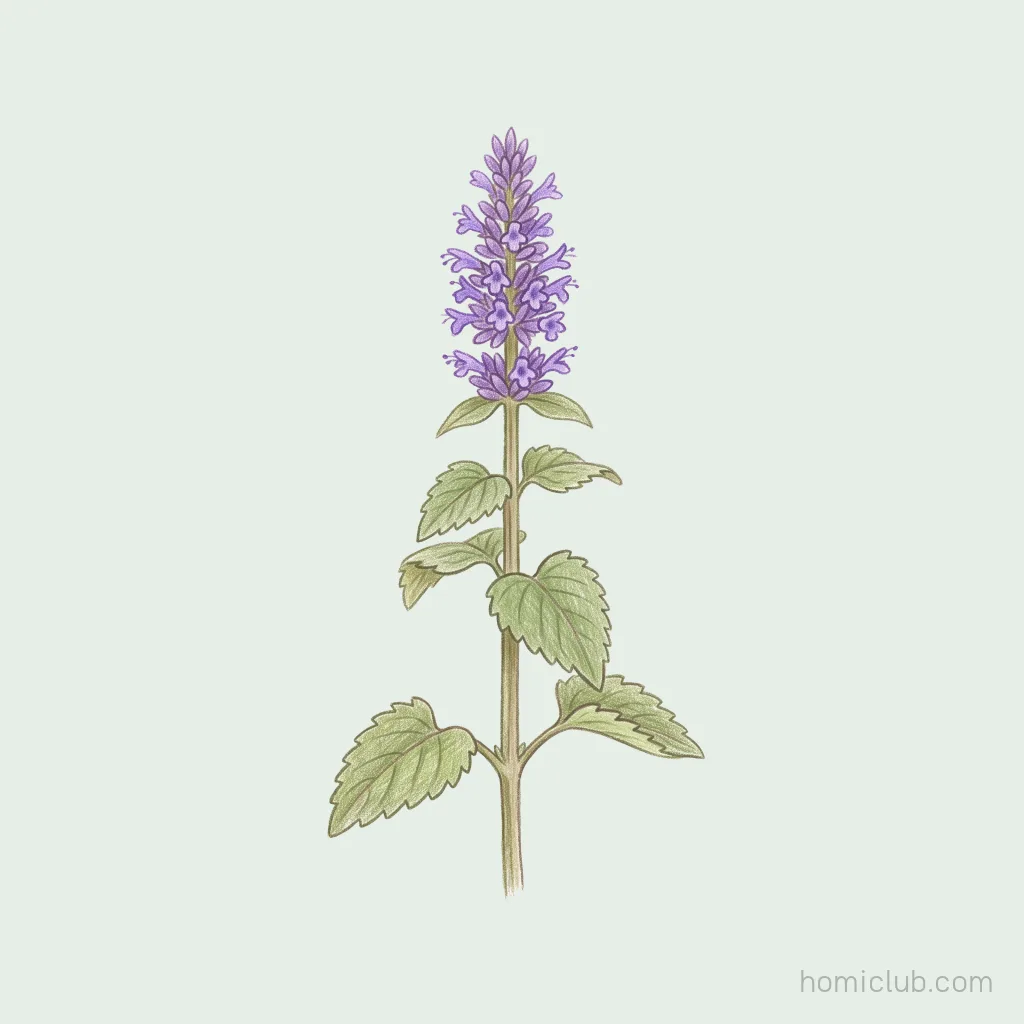
Yugye is the slender young twig of the cassia tree, dried. It comes from the same tree as cinnamon bark, and herbalists today call the twig gyeji. Donguibogam's wood section sorts the bark itself by thickness and age into gyungye, mogye and gyesim.
Original, read line by line 東醫寶鑑 · Tangaek — Decoctions vol. 3
-
乃小枝嫩條, 善行上焦, 補陽氣.
It is the tender shoot of a small branch; it travels well in the upper burner and supplements yang qi.
HomiclubYugye is the slender young twig of the cinnamon tree. Herb shops today sell such twigs together under the single name gyeji (桂枝).
-
薄桂乃細薄嫩枝, 入上焦, 橫行肩臂. 《入門》
Bakgye (薄桂) is the fine, thin young branch; it enters the upper burner and travels crosswise to the shoulder and arm. 《Ipmun (入門)》
-
桂心ㆍ菌桂ㆍ牡桂, 同是一物. 厚者必嫩, 薄者必老.
Gyesim, gyungye (菌桂), and mogye (牡桂) are all one and the same thing. What is thick is invariably young, and what is thin is invariably old.
-
嫩旣辛香, 兼又筒卷. 老必味淡, 自然板薄.
The young is pungent and fragrant and moreover curls into a tube. The old is invariably bland in taste and naturally thin like a board.
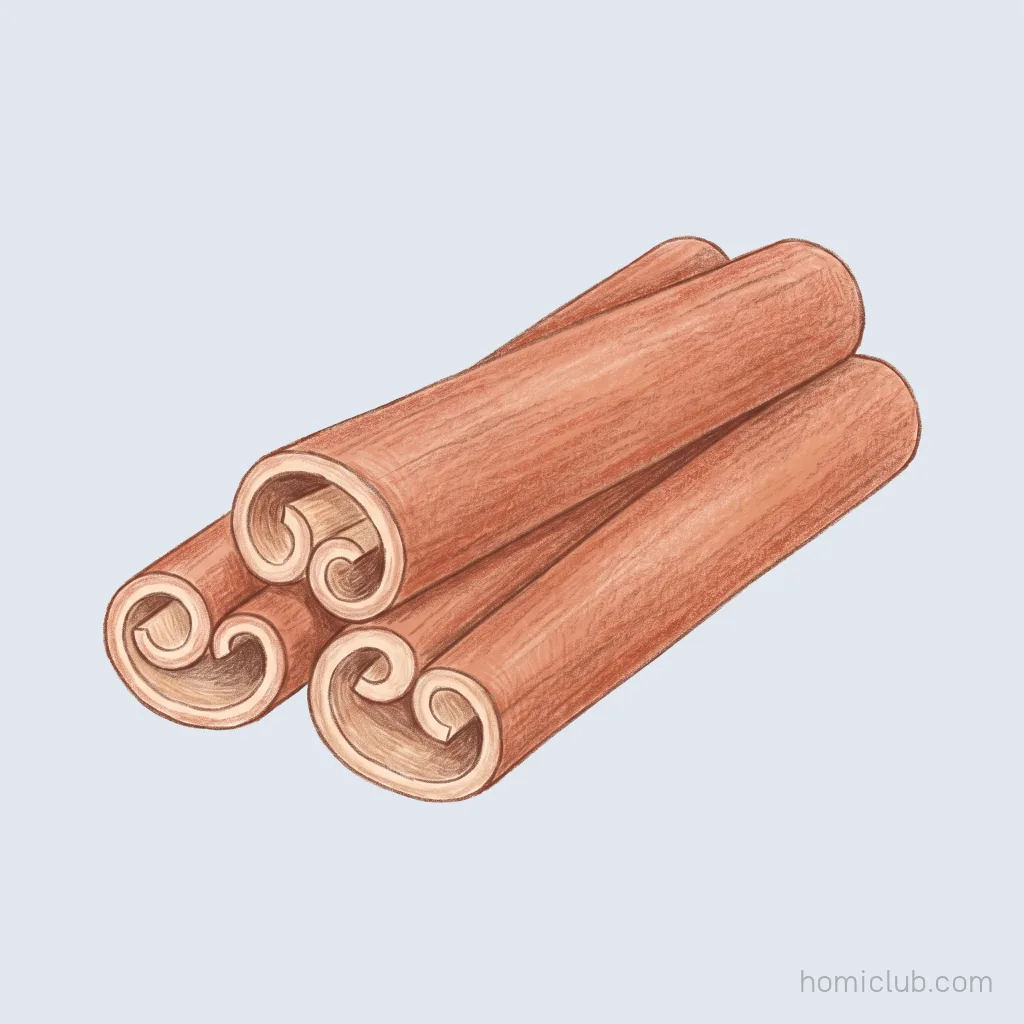
HomiclubTonggwon describes how young bark curls inward into a tube as it dries. That is the shape sold today as a cinnamon stick.
-
板薄者, 卽牡桂也. 筒卷者, 卽菌桂也.
What is thin like a board is mogye, and what is curled into a tube is gyungye.
-
筒厚者, 宜入治藏及下焦藥, 輕薄者, 宜入治頭目發散藥.
Thick-tubed pieces suit medicines that treat the viscera and the lower burner, and light, thin pieces suit effusing medicines that treat the head and eyes.
-
又有柳桂, 乃桂之嫩小枝, 尤宜入治上焦藥. 《本草》
There is also yugye, the young small branch of the cinnamon tree, which suits still better the medicines that treat the upper burner. 《Boncho (本草)》
Trees — more entries
This is a cultural and historical record from a classical text, not a claim about any food’s effects. Nothing here is a health supplement or intended to prevent or treat disease. Consult a medical professional about health concerns. · Text: Korean Medicine Classics DB · Reading: Homiclub