
Tangaek — Decoctions · Herbs
黃精 King Solomon's seal
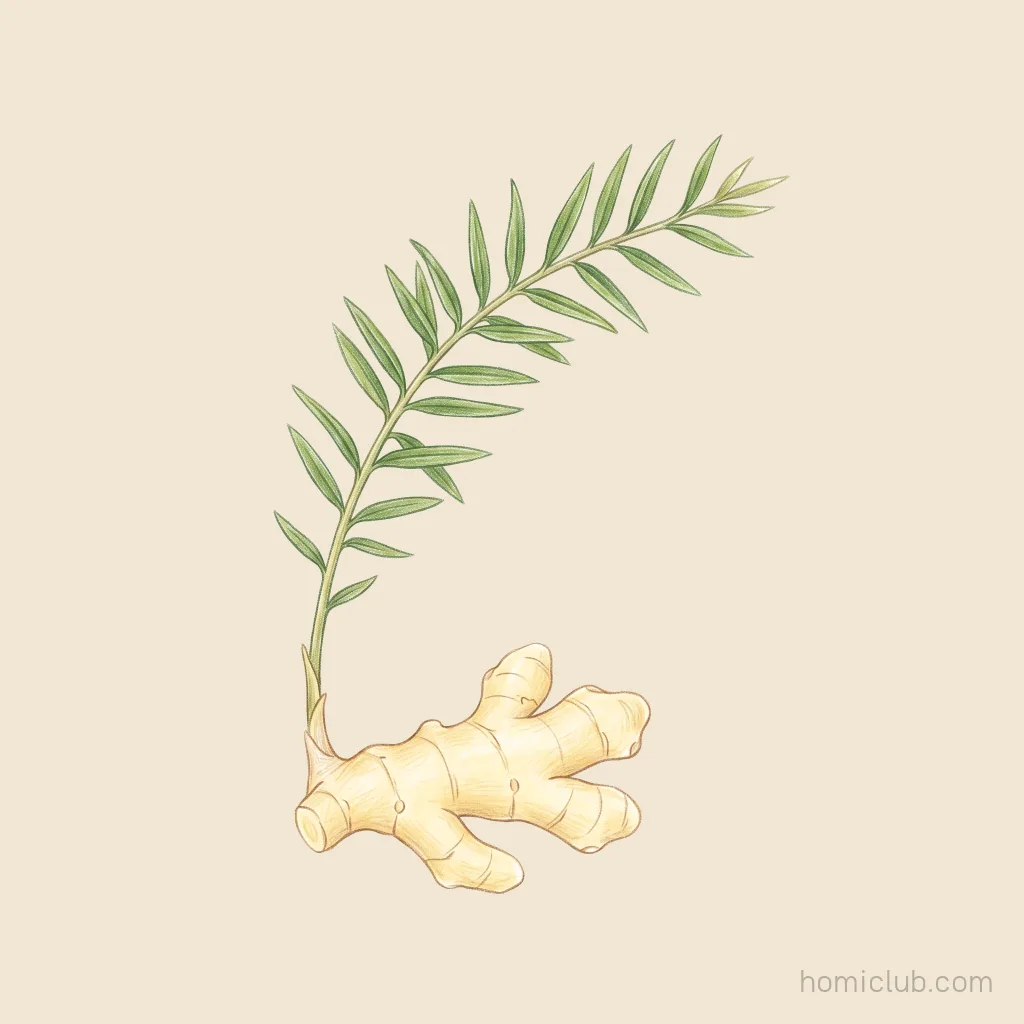 Related Crop · King Solomon's seal →
Hwangjeong is the rhizome of jukdae, a Solomon's-seal relative. Plants whose bamboo-like leaves grow in opposite pairs were called hwangjeong; those without the pairing, pyeonjeong. For long keeping, the root was blanched to draw off bitterness, then steamed and sun-dried nine times over.
Original, read line by line 東醫寶鑑 · Tangaek — Decoctions vol. 2
-
性平, 味甘, 無毒. 主補中益氣, 安五藏, 補五勞七傷, 助筋骨, 益脾胃, 潤心肺.
Its nature is neutral, its taste sweet, and it is non-toxic. It governs supplementing the centre and boosting qi, settling the ojang (五藏, five viscera), repairing oro-chilsang (五勞七傷, the five taxations and seven damages), aiding sinew and bone, benefiting the biwi (脾胃, spleen and stomach), and moistening the heart and lung.
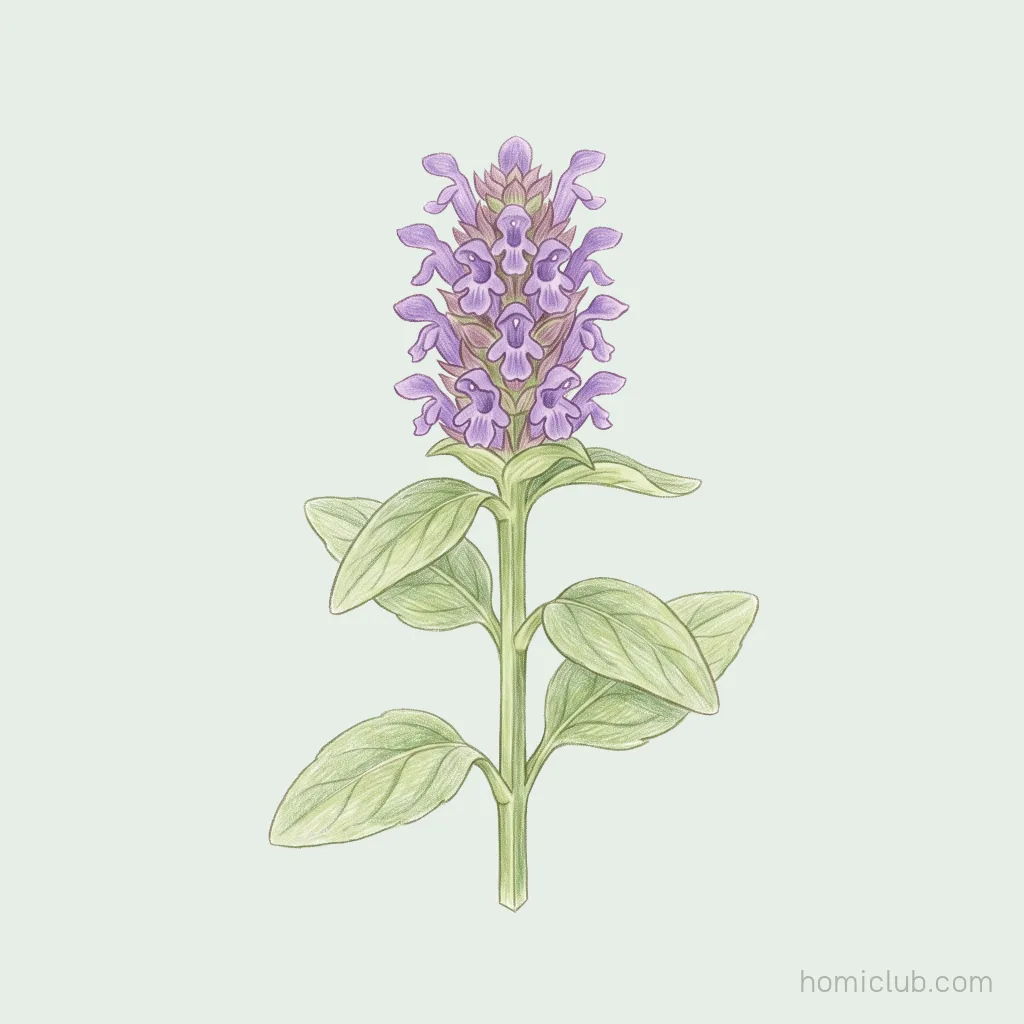
HomiclubHwangjeong is the rhizome of a Polygonatum, the Solomon's seal group. The jukdae of the old Korean gloss 'dyukdaet burhui' belongs here, and the plants are common in the shade of Korean woodlands.
-
一名仙人飯. 三月生苗, 高一二尺, 葉如竹葉而短, 兩兩相對, 莖梗柔脆, 頗似桃枝, 本黃末赤.
One name for it is seoninban (仙人飯, immortals' rice). It sprouts in the third month and stands one or two cheok high; its leaves are like bamboo leaves but shorter, set two by two facing each other. The stem is soft and brittle, much like a peach twig, yellow at the base and red at the tip.
-
四月開細靑白花. 子白如黍, 亦有無子者. 根如嫩生薑黃色. 二月八月採根, 暴乾. 根葉花實, 皆可餌服.
In the fourth month it opens fine greenish-white flowers. Its seeds are white like broomcorn millet, and some plants bear none. Its root is like tender ginger and yellow in colour. The root is dug in the second and eighth months and dried in the sun. Root, leaf, flower and fruit may all be taken as food.
HomiclubThe short, opposite, bamboo-like leaves are the field mark for this plant. The rhizome brewed today as dunggulle tea comes from the same group.
-
其葉相對爲黃精, 不對爲偏精, 功用劣.
The one whose leaves stand opposite each other is hwangjeong; the one whose leaves are not opposite is pyeonjeong (偏精), and its use is inferior.
-
其根雖燥, 幷柔軟有脂潤. 《本草》
Though its root is dried, it stays soft and pliant, with an oily sheen. 《Boncho (本草)》
-
黃精, 得太陽之精也. 入藥生用. 若久久服餌, 則採得, 先用滾水, 綽過去苦味, 乃九蒸九暴. 《入門》
Hwangjeong has received the essence of the great yang. For medicine it is used raw. If it is to be eaten over a long stretch, then after digging it one first blanches it in boiling water to take off the bitterness, and thereafter steams it nine times and sun-dries it nine times. 《Ipmun (入門)》
-
我國惟平安道有之, 平時上貢焉. 《俗方》
In this country it is found only in Pyeongan Province, and in ordinary times it was sent up as tribute. 《Sokbang (俗方)》
Related Crop
King Solomon's seal →
Reading on King Solomon's seal
Herbs — more entries
This is a cultural and historical record from a classical text, not a claim about any food’s effects. Nothing here is a health supplement or intended to prevent or treat disease. Consult a medical professional about health concerns. · Text: Korean Medicine Classics DB · Reading: Homiclub