
Tangaek — Decoctions · Trees
花 Mugunghwa Kkot (무궁화 꽃)

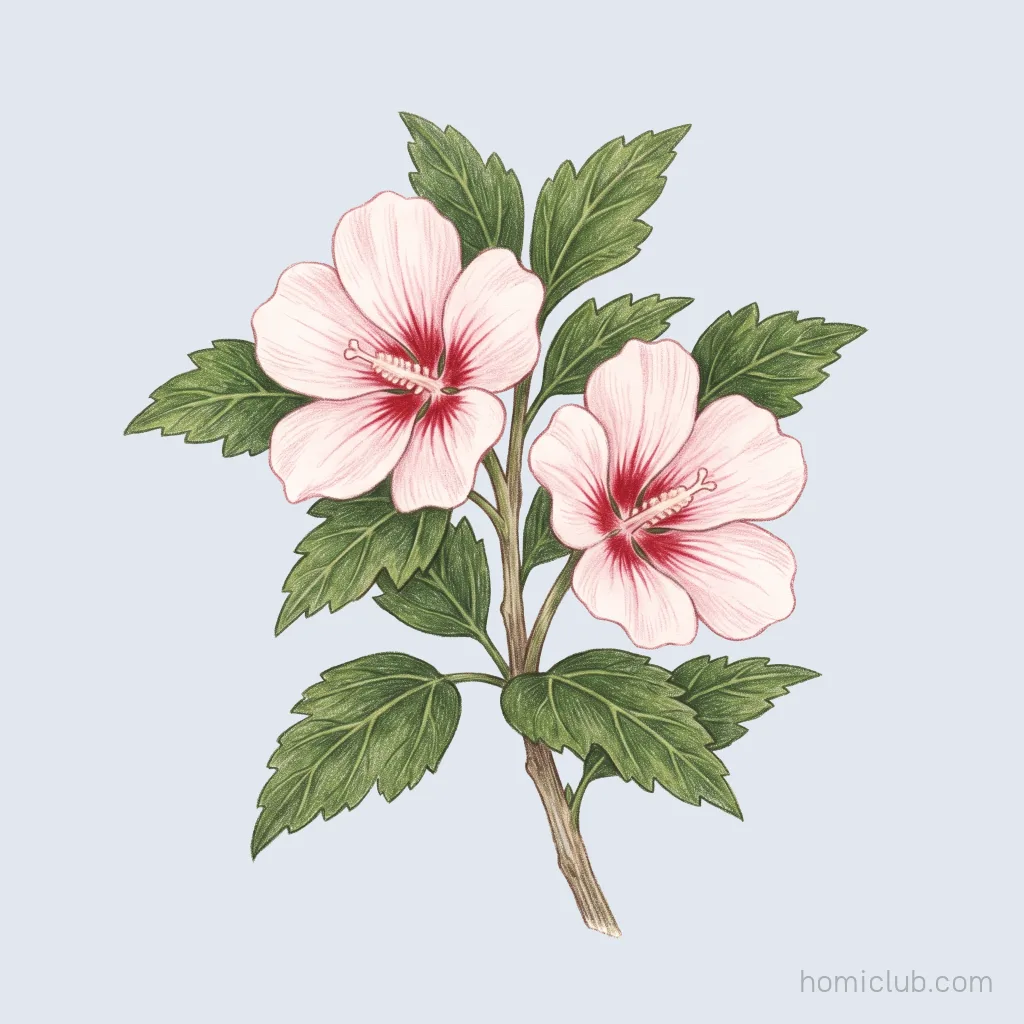
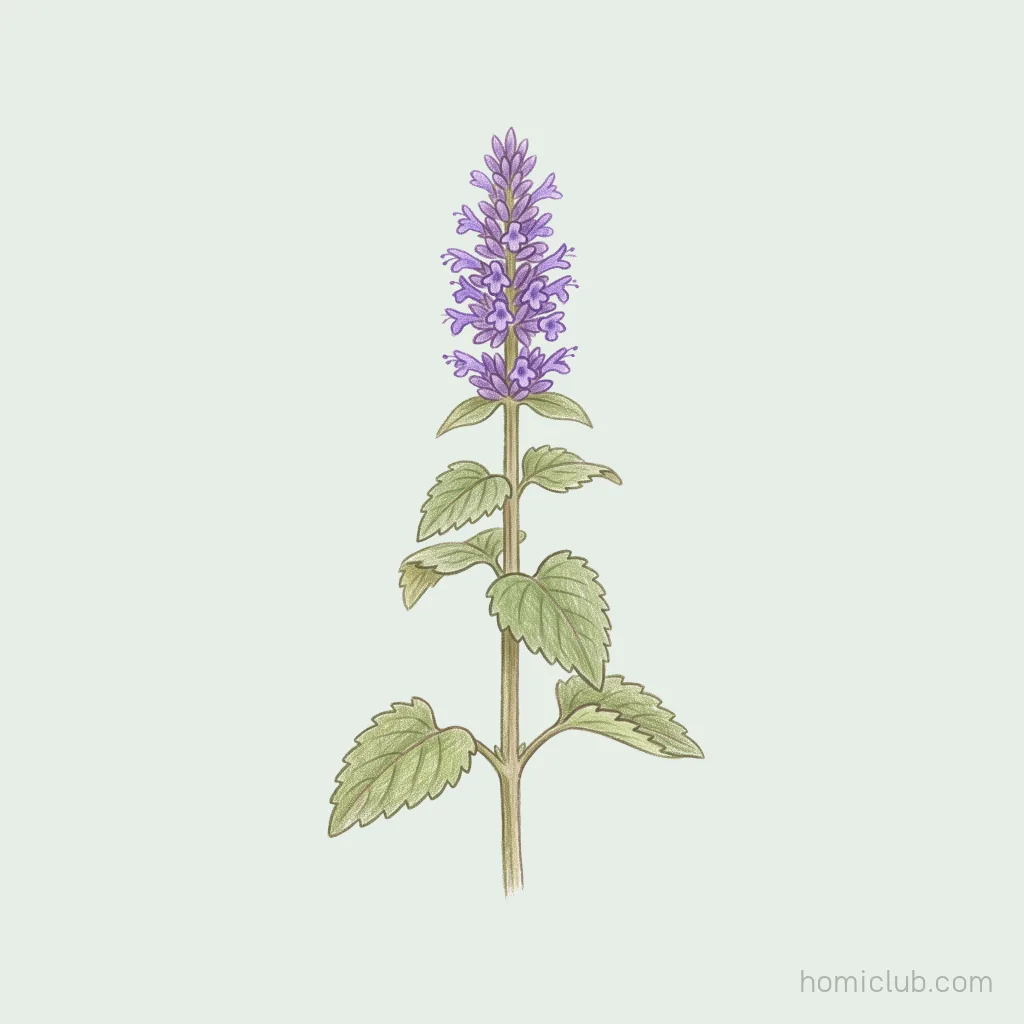
This is the flower of the rose of Sharon, a deciduous shrub of the mallow family. From midsummer into early autumn it puts out fresh blooms every day that open in the morning and fold up by evening, and its name, meaning endless, was given for that unbroken flowering. Dongui Bogam's wood section follows the entry on the rose of Sharon's bark by setting the flower apart, noting that it is best roasted before use and that it is boiled and drunk in place of tea. There are many cultivars, white, red and double-flowered, and today it is more familiar as a summer flower planted in hedges and in rows along roadsides.
Original, read line by line 東醫寶鑑 · Tangaek — Decoctions vol. 3
-
性涼, 無毒. 治赤白痢, 及腸風瀉血, 宜炒用.
Its nature is cool and it is non-toxic. It treats red and white dysentery and the bleeding of jangpung (腸風, intestinal wind), and it is fitting to roast it before use.
HomiclubA mugunghwa flower opens in the morning, closes that same evening, and is replaced by a new one the next day. A single shrub keeps flowering all summer because the blooms are renewed day after day.
-
作湯代茶喫, 治風. 《本草》
Decocted and drunk in place of tea, it treats wind. 《Boncho (本草)》
Trees — more entries
This is a cultural and historical record from a classical text, not a claim about any food’s effects. Nothing here is a health supplement or intended to prevent or treat disease. Consult a medical professional about health concerns. · Text: Korean Medicine Classics DB, collated with the Jangseogak copy of the 1613 wooden movable-type edition · Reading: Homiclub