
Tangaek — Decoctions · Trees
密蒙花 Milmonghwa (밀몽화)
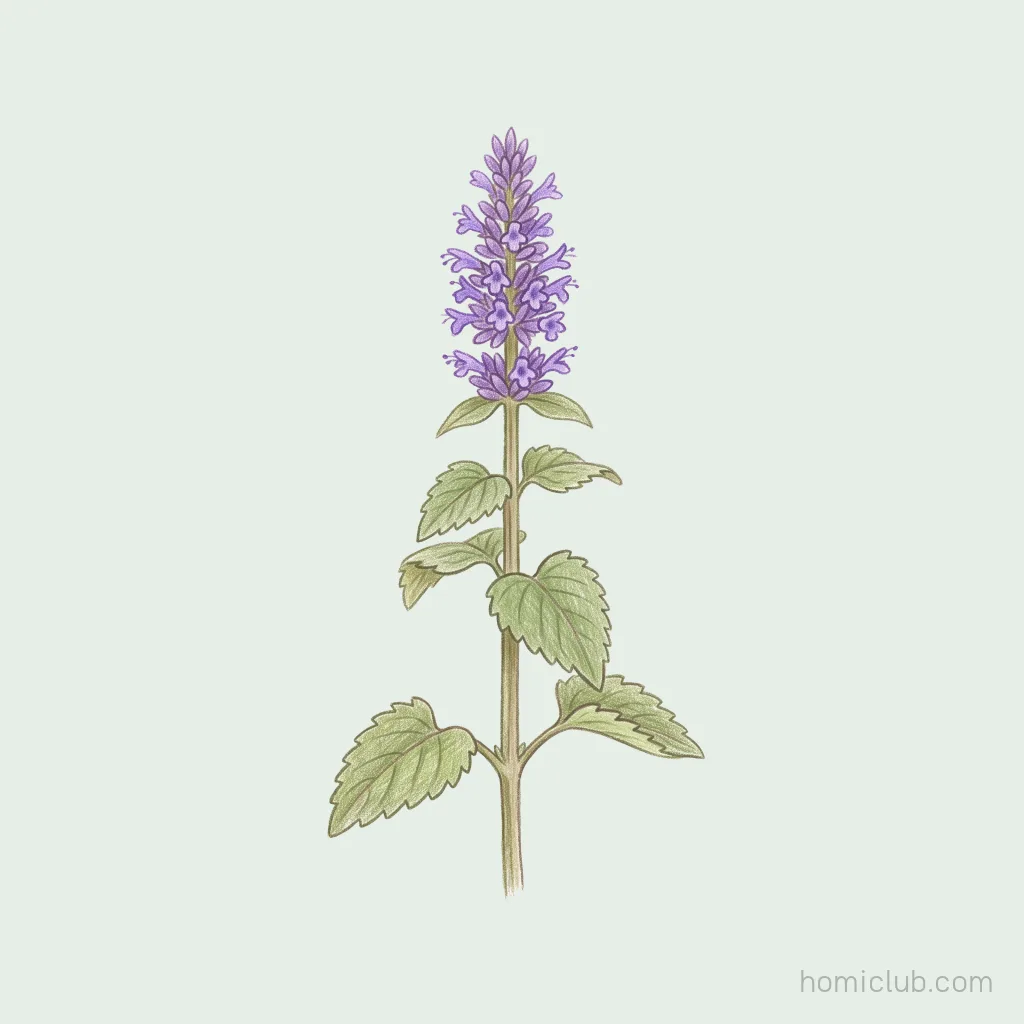
Milmonghwa is the dried flower head of a shrub whose tiny buds cluster by the dozen into a single spray. In southern China the steeped flowers are still used to tint rice yellow. The Donguibogam marked it 【唐】 as an import and had the flowers picked in the second or third month and sun-dried.
Original, read line by line 東醫寶鑑 · Tangaek — Decoctions vol. 3
-
性平一云微寒, 味甘, 無毒. 主靑盲, 膚瞖, 赤脉, 多淚, 小兒瘡疹, 及疳氣攻眼.
Its nature is neutral, though one account calls it slightly cold; its taste is sweet, and it is non-toxic. It chiefly treats cheongmaeng (靑盲, blindness with a clear eye), bu-ye (膚瞖, a film over the eye), red vessels in the eye, excessive tearing, a child's chang-jin (瘡疹, pox eruptions), and gam-gi (疳氣, malnutrition disorder) striking the eyes.
HomiclubMilmonghwa is the dried flower bud of a buddleja shrub. Dozens of tiny buds cluster into a single head, and in southern China an infusion of these flowers is used to dye glutinous rice yellow.
-
花細碎, 數十房成一朶, 冬生春開. 二三月採花, 暴乾. 《本草》
The flowers are minute and crumbling, dozens of chambers forming a single head; they form in winter and open in spring. Gather the flowers in the second or third month and dry them in the sun. 《Boncho (本草)》
-
酒浸一宿, 候乾拌蜜蒸, 曬用. 《入門》
Steep it in liquor for one night, wait for it to dry, mix it with honey and steam it, then sun-dry it for use. 《Immun (入門)》
Trees — more entries
This is a cultural and historical record from a classical text, not a claim about any food’s effects. Nothing here is a health supplement or intended to prevent or treat disease. Consult a medical professional about health concerns. · Text: Korean Medicine Classics DB · Reading: Homiclub