
Tangaek — Decoctions · Trees
葉 Osuyu Ip (오수유 잎)

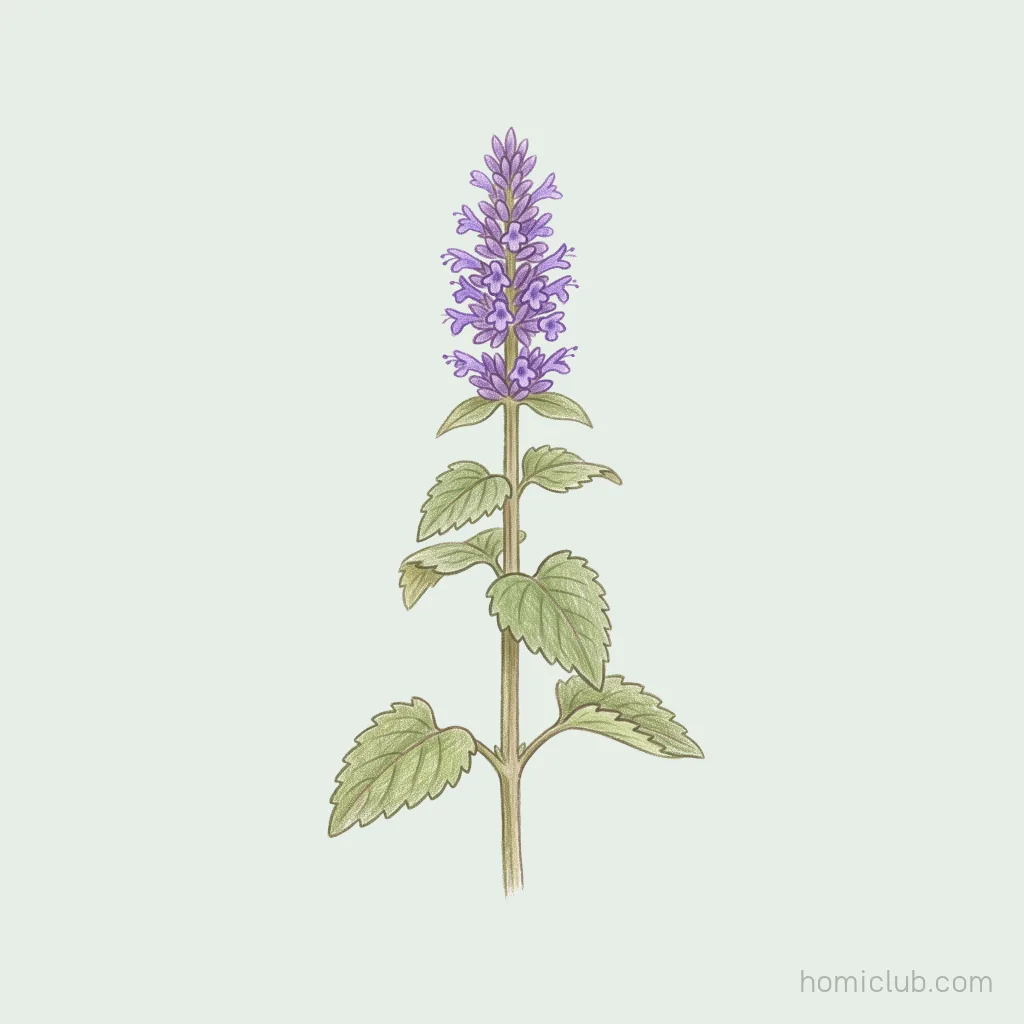
Yeop (葉) means 'leaf'; this entry belongs to the osuyu (吳茱萸) heading in the wood section of the Dongui Bogam. Osuyu is a small tree of the rue family whose leaves, when rubbed, give off a sharp scent like citrus peel. The text records the leaf as hot in nature and names its use for pain of the chest and abdomen from gwangnan (霍亂), then adds a method of parching it with salt, grinding it, and laying it on as a cover. The fruit, osuyu itself, is entered in the heading just before.
Original, read line by line 東醫寶鑑 · Tangaek — Decoctions vol. 3
-
性熱. 治霍亂心腹痛, 內外腎釣痛.
Its nature is hot. It treats pain of the chest and abdomen from gwangnan (霍亂) and drawing pain of the inner and outer sin (腎, kidney and genitals).
HomiclubThis entry is the leaf attached to the evodia section in the Wood chapter of the Dongui Bogam. Evodia is a small tree of the citrus family, and rubbing its leaf releases a sharp scent like orange peel.
-
鹽炒, 硏罯, 神驗. 《本草》
Parch it with salt, grind it, and apply it as a covering compress; the effect is marvellous. 《Boncho (本草)》
Trees — more entries
This is a cultural and historical record from a classical text, not a claim about any food’s effects. Nothing here is a health supplement or intended to prevent or treat disease. Consult a medical professional about health concerns. · Text: Korean Medicine Classics DB, collated with the Jangseogak copy of the 1613 wooden movable-type edition · Reading: Homiclub