
Tangaek — Decoctions · Herbs
阿魏 Asafoetida
 Related Crop · Asafoetida →
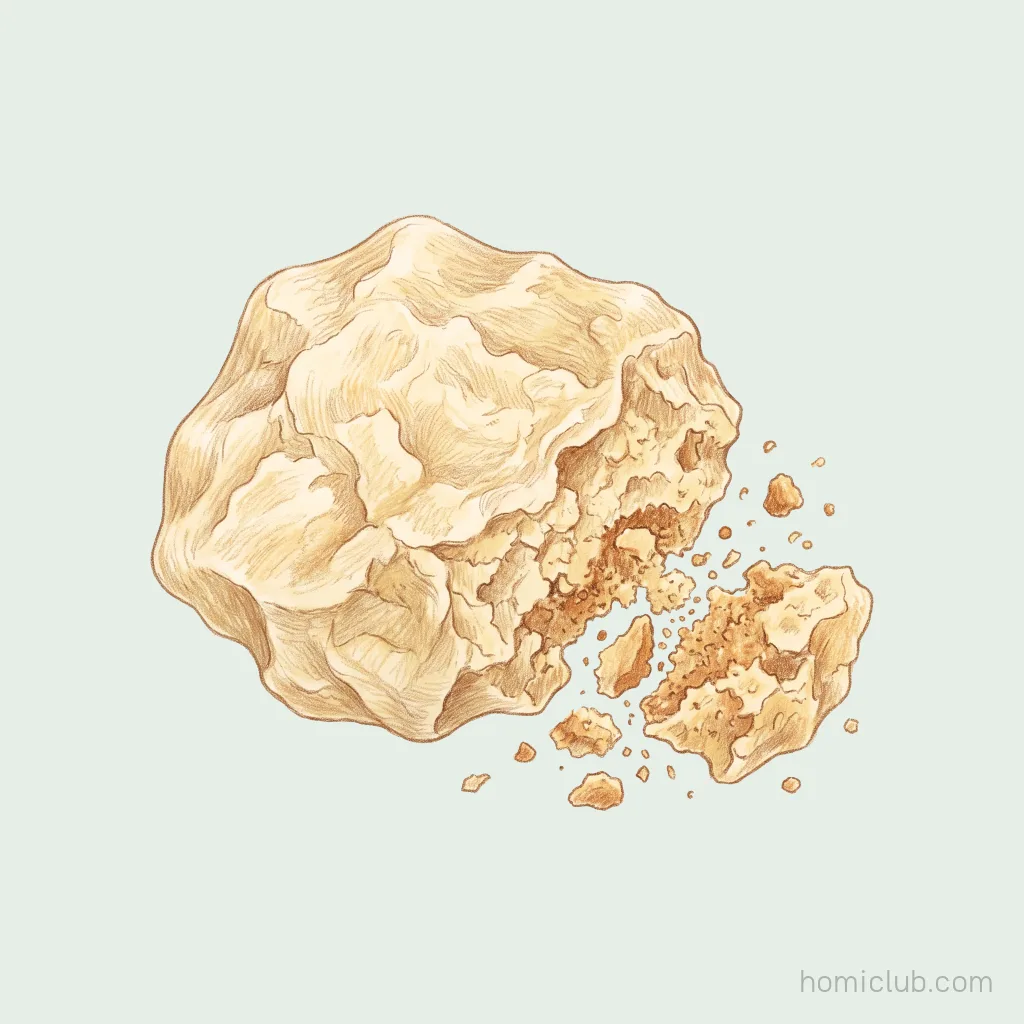
Awi is asafoetida, resin tapped from the stem and root of a giant fennel relative and left to set hard. The same gum is the Indian kitchen spice hing, notorious for its reek. Donguibogam marked it 【唐】 and traced it to Persia, grading the yellow crumbly sort above the black.
Original, read line by line 東醫寶鑑 · Tangaek — Decoctions vol. 3
-
性溫一云熱, 味辛, 無毒. 治傳尸, 除邪鬼, 破癥積, 治瘧, 殺諸小蟲.
Its nature is warm, though one account calls it hot; its taste is pungent, and it is non-toxic. It treats jeonsi (傳尸, consumptive infection), expels evil spirits, breaks up jingjeok (癥積, abdominal masses), treats malaria, and kills all manner of small worms.
HomiclubAwi is the hardened resin tapped from the root and stem of a large carrot-family plant. It is the spice known in Indian cooking as hing, or asafoetida.
-
體性極臭而能止臭, 奇物也.
By nature it stinks extremely, and yet it can stop stench — a marvellous thing.
-
生波斯國. 斷其木枝, 汁出如飴, 久乃堅凝, 名曰阿魏. 狀如桃膠, 色黑者不堪, 黃散者爲上.
It comes from Pasa-guk (波斯國, Persia). When a branch is cut, a juice like malt syrup flows out and in time hardens and congeals; this is called awi. It looks like peach-tree gum; the black kind is unusable, and the yellow, crumbly kind is reckoned the best.
HomiclubPasa-guk is Persia, roughly present-day Iran. Awi arrived through the Western Regions trade, which is why the Donguibogam marks it with the tag 【唐】 for imported goods.
-
先硏如粉了, 於熱酒器上裛過, 任用.
First grind it to a powder, pass it over a vessel of hot wine to let the steam soften it, and then use it as required.
-
試法, 將半銖, 安於熟銅器中, 至明, 沾阿魏處, 白如銀永無赤色者, 爲眞也. 《本草》
To test it, place half a su (銖) in a well-worked copper vessel; by daybreak, if the spot the awi touched is white as silver with no trace of red, it is genuine. 《Boncho (本草)》
Related Crop
Asafoetida →
Reading on Asafoetida
Herbs — more entries
This is a cultural and historical record from a classical text, not a claim about any food’s effects. Nothing here is a health supplement or intended to prevent or treat disease. Consult a medical professional about health concerns. · Text: Korean Medicine Classics DB · Reading: Homiclub