
Tangaek — Decoctions · Herbs
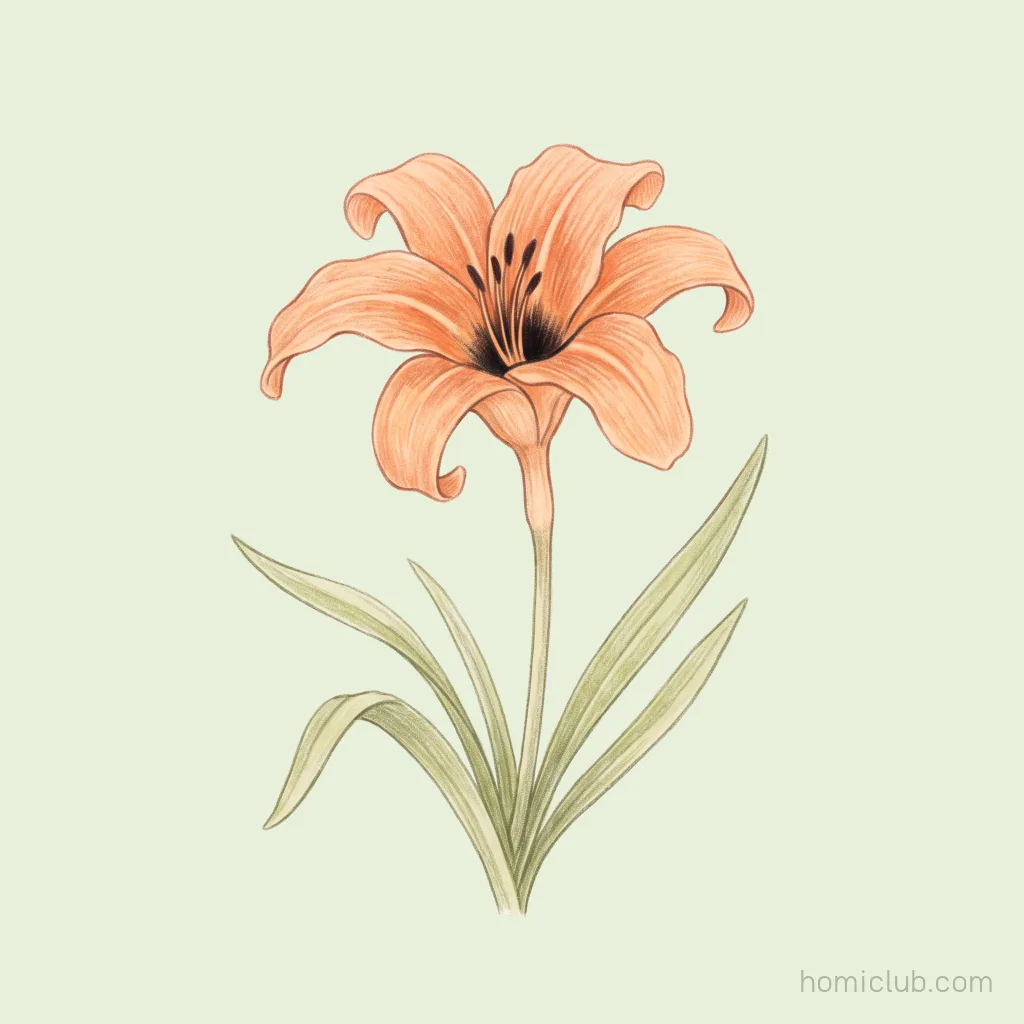
萱草根 Daylily
 Related Crop · Daylily →
Hwonchogeun is the root of the daylily, the wonchuri of the crop guide. Its spring shoots are gathered as neomnamul, blanched and soaked through several changes of water before they reach the table. The Donguibogam records the alternate name nokchong for the plant and uinam for the flower, and passes on how it came to be called mangucho.
Original, read line by line 東醫寶鑑 · Tangaek — Decoctions vol. 3
-
性涼, 味甘, 無毒.
Its nature is cool, its taste sweet, and it has no toxicity.
-
主小便赤澁, 身體煩熱.
It governs urine that is red and comes with difficulty, and vexing heat in the body.
-
治沙淋, 下水氣, 療酒疸.
It treats sand strangury (sarim), brings down water gi, and treats liquor jaundice (judal).
-
人家種之, 多採其嫩苗煮食.
Households plant it, and many gather its tender shoots and boil them for food.
HomiclubThe tender spring shoots are called neomnamul in Korean and are blanched and dressed as a vegetable. They still appear in markets in spring.
-
又取花跗作葅, 云利胸膈甚佳.
The flower calyx is also taken and pickled, and it is said to free the chest and diaphragm very well.
-
一名鹿葱.
One name for it is nokchong (鹿葱, deer scallion).
-
花名宜男, 孕婦佩之生男.
The flower is called uinam (宜男, fit for sons); a pregnant woman who wears it is said to bear a son.
-
養生論云, 萱草忘憂, 此也. 《本草》
What the Yangsaengnon (養生論) means when it says that hwoncho makes one forget care is precisely this plant. 《Boncho》
HomiclubThe alternative Korean name mangucho (忘憂草, "forget-care herb") for the daylily traces back to this passage.
Related Crop
Daylily →
Herbs — more entries
This is a cultural and historical record from a classical text, not a claim about any food’s effects. Nothing here is a health supplement or intended to prevent or treat disease. Consult a medical professional about health concerns. · Text: Korean Medicine Classics DB · Reading: Homiclub