
Tangaek — Decoctions · Herbs
玄胡索 Hyeonhosaek (현호색)

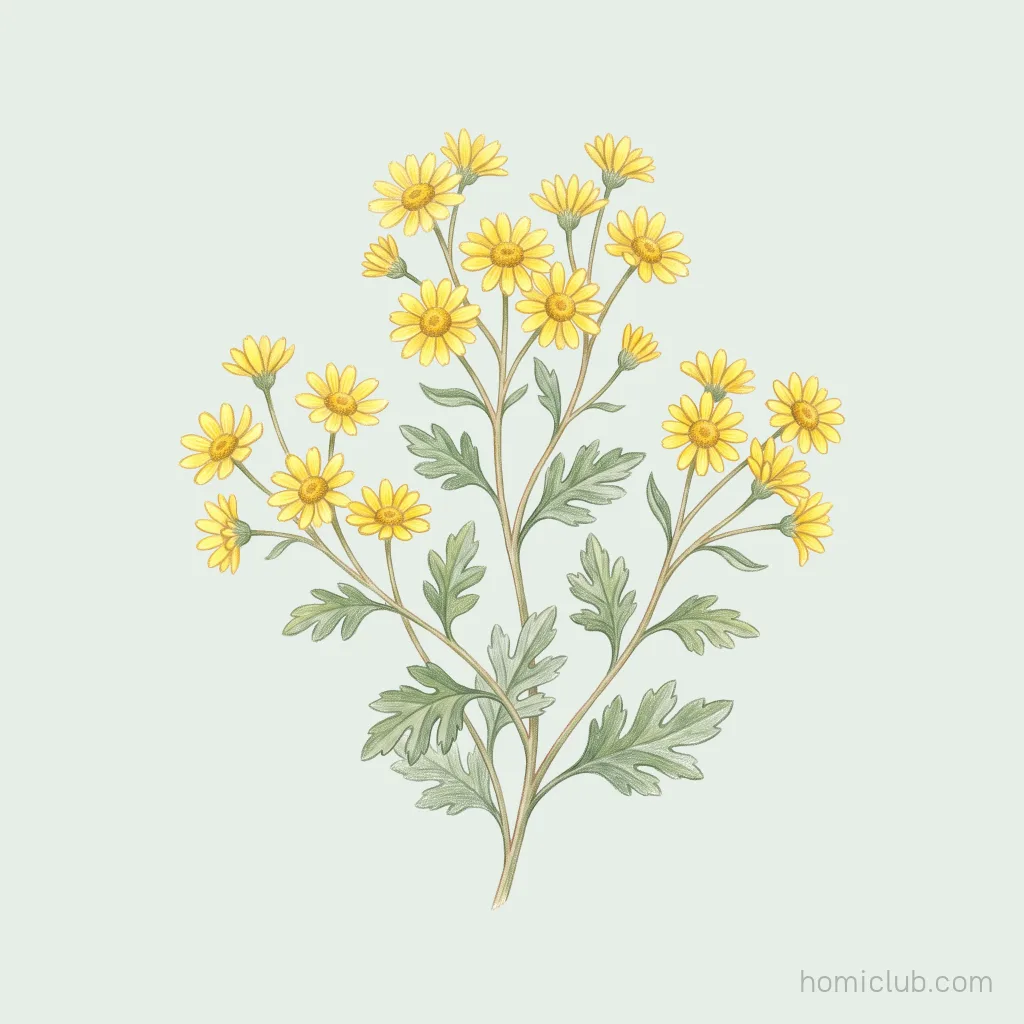
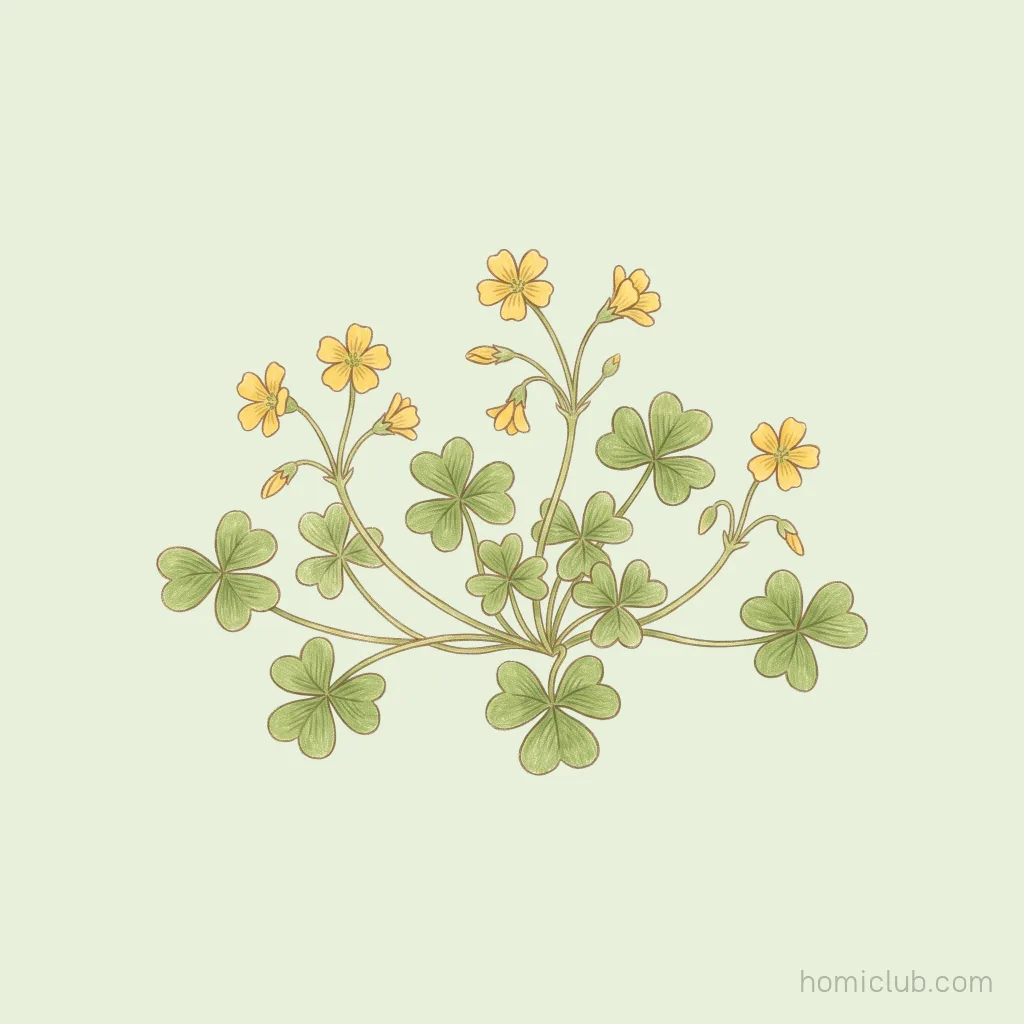
Hyeonhosaek is the tuber of corydalis, the plant whose purple flowers open in early spring. It grows commonly in the wild, and the old text describes the root as yellow and shaped like a pinellia tuber. The recorded way of preparing it is to simmer it in vinegar.
Original, read line by line 東醫寶鑑 · Tangaek — Decoctions vol. 3
-
性溫, 味辛一云苦, 無毒.
Its nature is warm, its taste pungent (one account says bitter), and it is non-toxic.
HomiclubWang Haogu of the Yuan wrote that the original name was hyeonhosaek (玄胡索) and that 玄 was changed to 延 to avoid a taboo character of Emperor Zhenzong of the Song. Yet the Kaibao bencao of 973, compiled before Zhenzong came to the throne (r. 997–1022), already entered the drug as 延胡索, so the dates do not fit. China still calls it yanhusuo (延胡索), while the Dongui Bogam and Korean herbal usage use hyeonhosaek.
-
主産後諸病因血所爲者.
It governs the various postpartum disorders that arise from the blood.
-
治月經不調, 腹中結塊, 崩中淋露, 産後血暈.
It treats irregular menstruation, abdominal lumps, persistent uterine bleeding, and postpartum dizziness.
-
消撲損瘀血, 落胎, 破癥癖, 破血.
It dissolves static blood from blows and injuries, causes the fetus to fall (落胎), breaks up concretions (癥癖), and breaks up blood.
-
治氣, 治心痛, 小腹痛如神.
It regulates qi and works wonders on chest pain and lower abdominal pain.
-
在處有之. 根如半夏, 色黃. 《本草》
It is found everywhere. The root is like that of pinellia and yellow in colour. 《Boncho (本草)》
HomiclubThe description of a root like pinellia and yellow in colour comes from the main text of the Song-dynasty Kaibao bencao (973), which also says the plant grew in the land of the Xi (奚), a people beyond the north-eastern frontier. The earlier Haiyao bencao of the Five Dynasties says it came from the Xi by way of the Andong road (安東道).
-
入手足太陰ㆍ足厥陰經. 醋煮用之. 《入門》
It enters the hand and foot taeeum channels and the foot gworeum channel. It is used boiled in vinegar. 《Immun (入門)》
Herbs — more entries
This is a cultural and historical record from a classical text, not a claim about any food’s effects. Nothing here is a health supplement or intended to prevent or treat disease. Consult a medical professional about health concerns. · Text: Korean Medicine Classics DB, collated with the Jangseogak copy of the 1613 wooden movable-type edition · Reading: Homiclub