
Tangaek — Decoctions · Herbs
木賊 Soksae (속새)
Mokjeok is the scouring rush, whose jointed green stems stand straight and leafless. Silica makes the stem rough enough that woodworkers and horn carvers used it as a natural abrasive, which is where the name comes from: literally 'wood thief.' The Donguibogam had the joints stripped off before use.
Original, read line by line 東醫寶鑑 · Tangaek — Decoctions vol. 3
-
性平, 味甘微苦, 無毒.
Its nature is neutral, its taste sweet and slightly bitter, and it has no toxicity.
-
益肝膽, 明目, 退瞖膜.
It benefits the liver and gallbladder, brightens the eyes, and drives back the eye screen-membrane (yemak).
-
療腸風下血, 止血痢, 去風.
It treats bleeding from intestinal wind (jangpung), halts bloody dysentery, and dispels wind.
-
主月水不斷, 崩中赤白.
It governs menses that will not stop, and red or white flooding (bungjung).
-
處處有之.
It is found everywhere.
-
去節用, 眼藥多用.
The joints are removed before use, and it is used often in eye medicines.
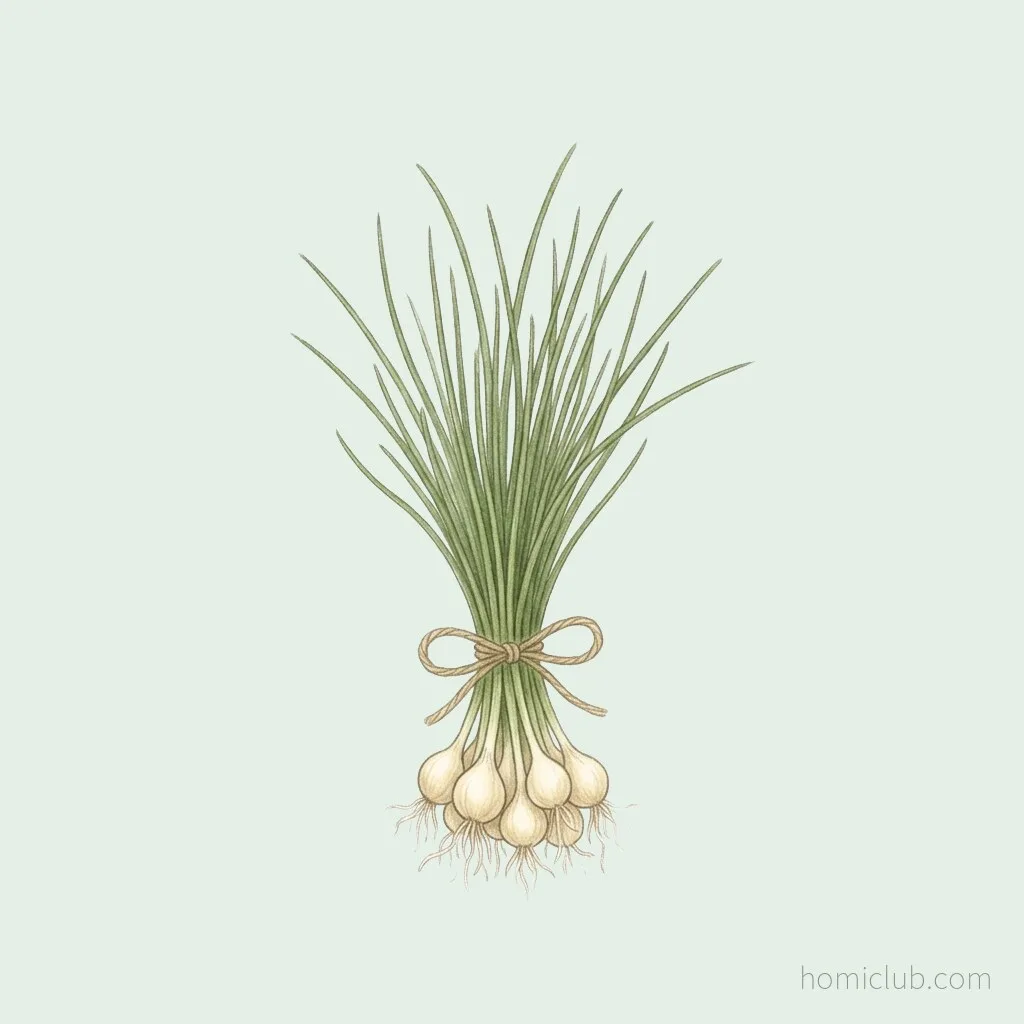
HomiclubIts hollow stem, ringed with joints, looks like a slender bamboo. The surface is stiff with silica and was long used to rub down wood and horn, which is where the Chinese name mokjeok (木賊, "wood thief") comes from.
-
童便浸一宿, 曬乾用. 《本草》
Soak it in dongbyeon (童便, boys' urine) for one night, then sun-dry it before use. 《Boncho》
-
此物發汗至易.
This substance brings out sweat very readily.
-
去節剉, 以水濕潤, 火上烘用. 《丹心》
Remove the joints and cut it up, moisten it with water, then dry it over a fire before use. 《Dansim》
Herbs — more entries

This is a cultural and historical record from a classical text, not a claim about any food’s effects. Nothing here is a health supplement or intended to prevent or treat disease. Consult a medical professional about health concerns. · Text: Korean Medicine Classics DB · Reading: Homiclub