
탕액편 · 초부 (풀)
茅根 띠뿌리 (모근)
 관련 작물 · 띠 →
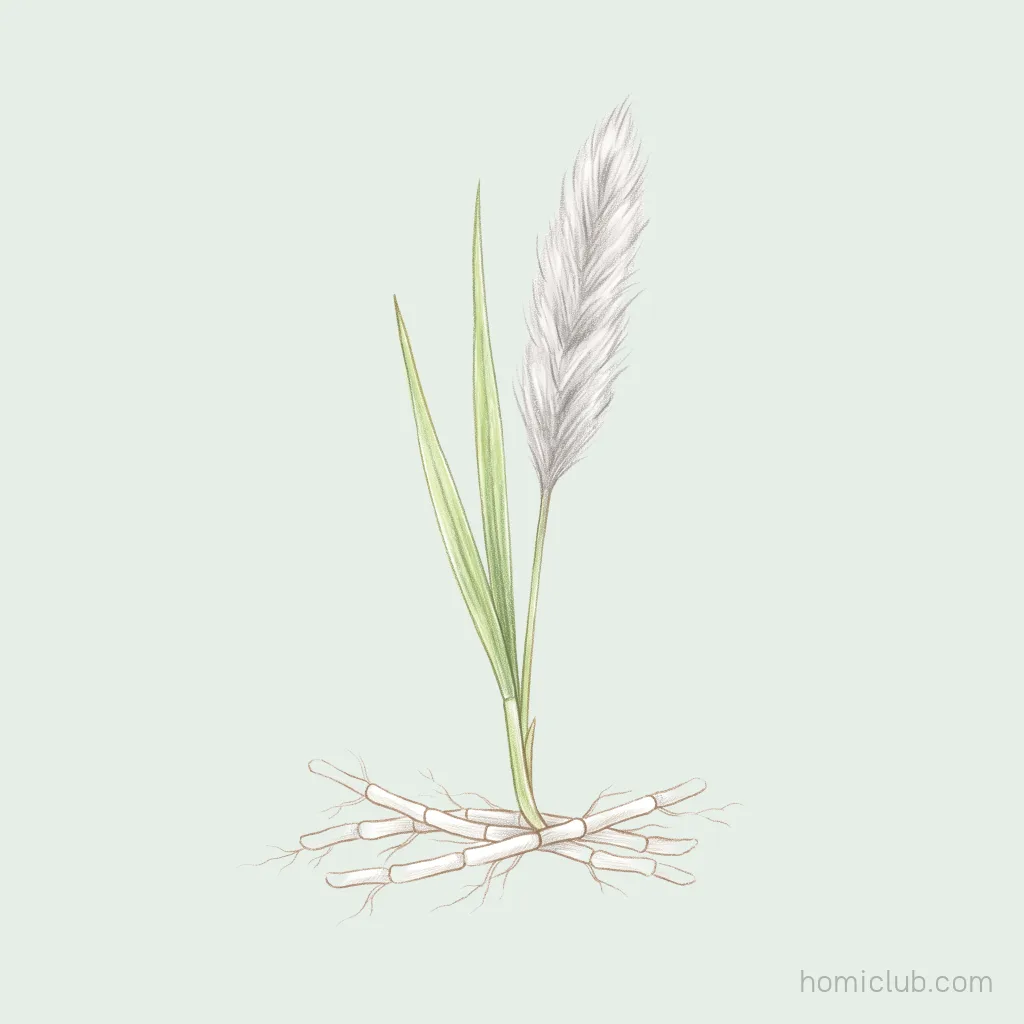
모근은 볕바른 둔덕에 흔한 띠풀의 흰 뿌리줄기로, 백모근이라고도 한다. 오늘날 백모근차로 달여 마시는 그 뿌리다. 유월에 캐 볕에 말렸고, 꽃(모화)과 갓 돋은 뾰족한 순(모침)도 같은 항목에 갈라 실었다.
원문 풀이 東醫寶鑑 · 탕액편 권3
-
性寒一云凉, 味甘, 無毒. 除瘀血血閉寒熱, 利小便, 下五淋, 除客熱, 止消渴及吐衄血.
성한일운량, 미감, 무독. 제어혈혈폐한열, 이소변, 하오림, 제객열, 지소갈급토뉵혈.
성질은 차며 일설에는 서늘하다고 하고, 맛은 달며 독이 없습니다. 어혈과 혈이 막혀 생긴 한열을 없애고 소변을 잘 통하게 하며 오림을 내리고 객열을 없애며, 소갈과 피를 토하거나 코피가 나는 것을 멎게 합니다.
호미클럽 풀이모근은 볕바른 둔덕에 무리 지어 자라는 띠의 뿌리줄기입니다. 흰 마디가 촘촘히 진 하얀 뿌리줄기로, 오늘날 백모근이라는 이름으로 차를 달여 마십니다.
-
卽白茅根. 處處有之. 六月採根, 暴乾. 《本草》
즉백모근. 처처유지. 유월채근, 폭건. 《본초》
곧 백모근(白茅根)입니다. 곳곳에 있습니다. 유월에 뿌리를 캐어 볕에 말립니다. 《본초》
관련 작물
띠 →
초부 (풀) 의 다른 항목

옛 문헌을 문화·역사 자료로 옮긴 것이며, 특정 식품의 효능을 주장하지 않습니다. 여기 소개된 것은 건강기능식품이 아니고 질병의 예방·치료를 위한 것이 아닙니다. 건강 문제는 의료 전문가와 상담하세요. · 한의학고전DB(mediclassics.kr)