
Tangaek — Decoctions · Herbs
白芨 Daewampul (대왐풀)
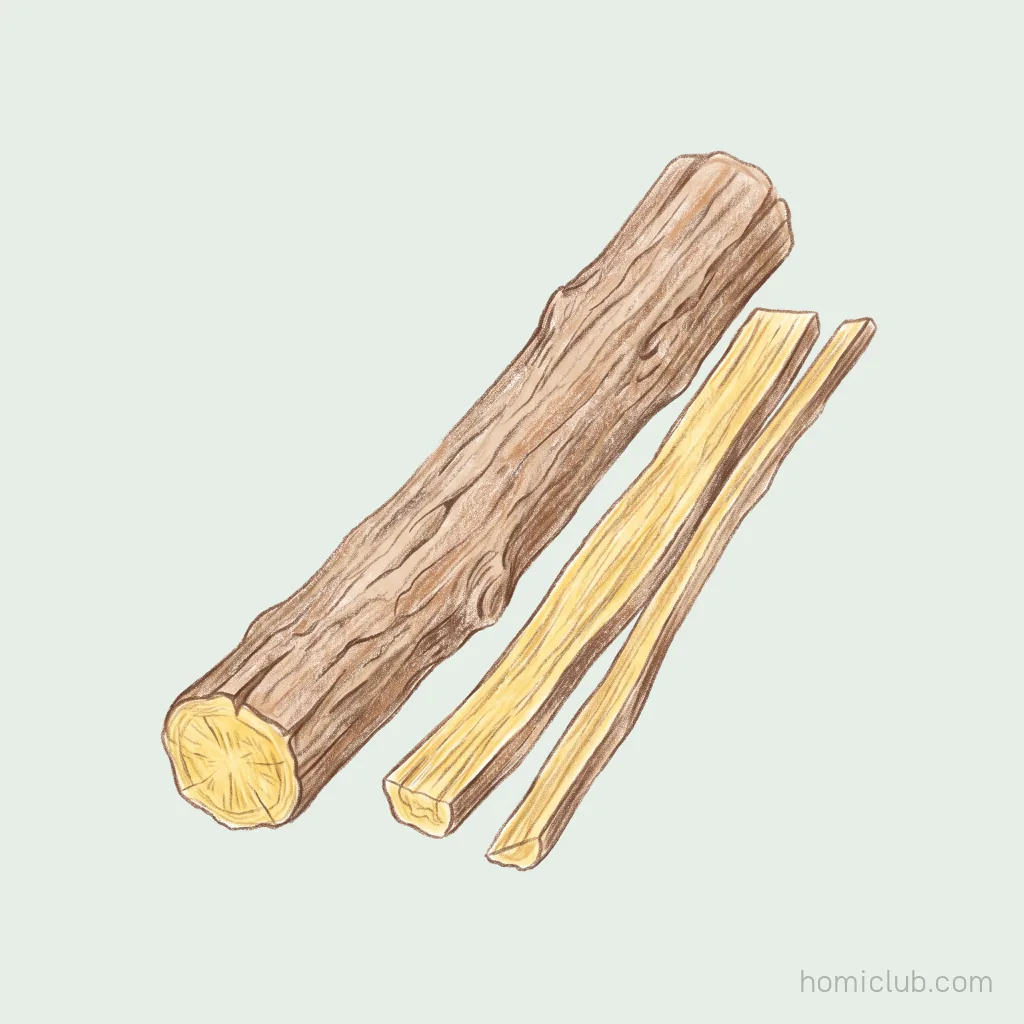
Baekgeup is the tuber of Bletilla, a hardy ground orchid recorded in old Korean as daewampul and now grown in gardens for its magenta spring flowers. The Donguibogam describes a white, three-cornered tuber shaped like a water chestnut, and notes it was usually paired with baengnyeom.
Original, read line by line 東醫寶鑑 · Tangaek — Decoctions vol. 3
-
性平一云微寒, 味苦辛, 無毒.
Its nature is neutral — one account says slightly cold — its taste bitter and pungent, and it has no toxicity.
-
主癰腫, 惡瘡敗疽, 發背瘰癧, 腸風痔瘻, 刀箭撲損傷, 湯火瘡.
It chiefly governs abscess swellings, malignant sores and rotting ulcers, balbae (back abscess) and scrofula, intestinal wind and anal fistula, wounds from blades, arrows and blows, and scalds and burns.
-
根似菱米, 有三角, 白色.
The root resembles a water caltrop kernel, has three corners, and is white.
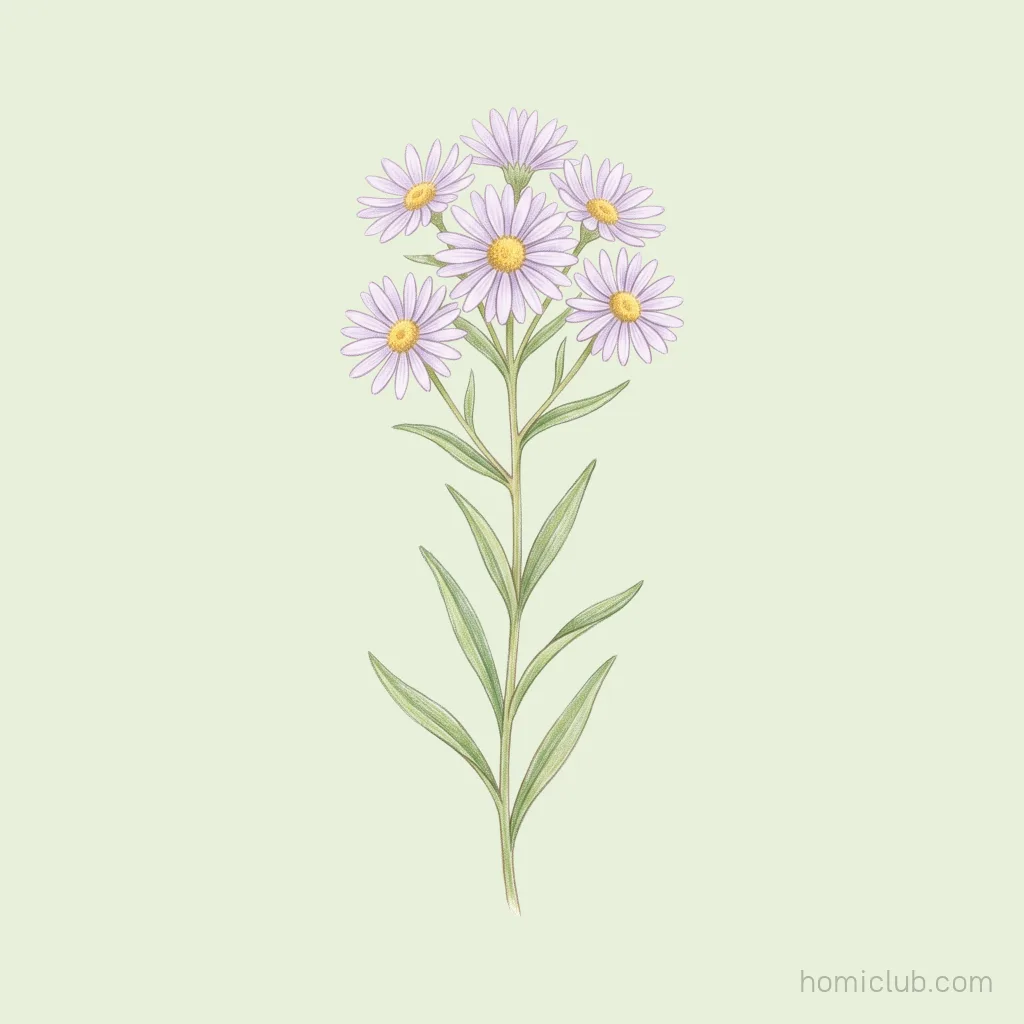
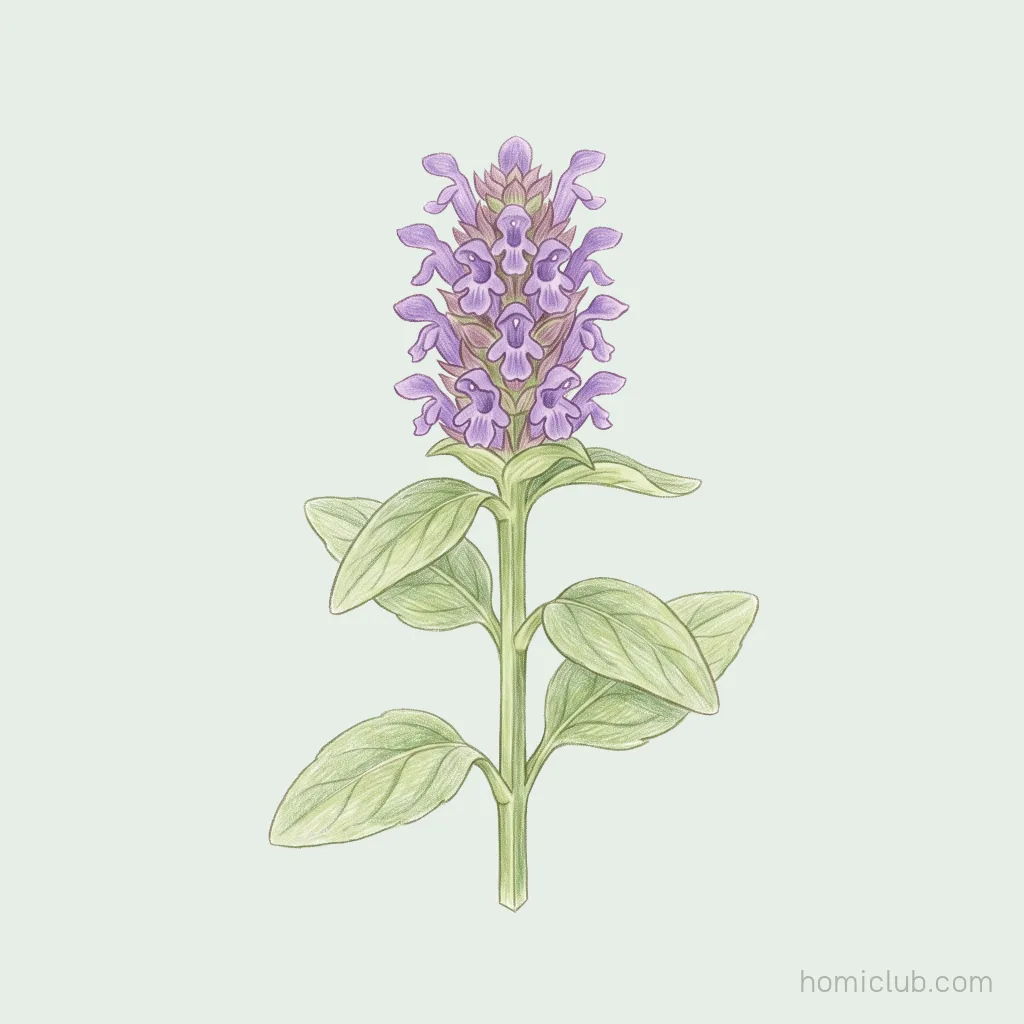
HomiclubToday it is called jaran, a plant of the orchid family. Its purple flowers open in May, and it is also grown in flower beds.
-
二月八月九月採根, 暴乾. 《本草》
The root is dug in the second, eighth, and ninth months and dried in the sun. 《Boncho (Materia Medica)》
-
白斂ㆍ白芨, 古今服餌方少用, 多見於斂瘡方中, 二物多相須而行. 《入門》
Baengnyeom and baekgeup have been little used, past or present, in bogi (regimen) formulas, appearing rather in formulas for closing sores, and the two commonly go together as a pair. 《Immun (Introduction to Medicine)》
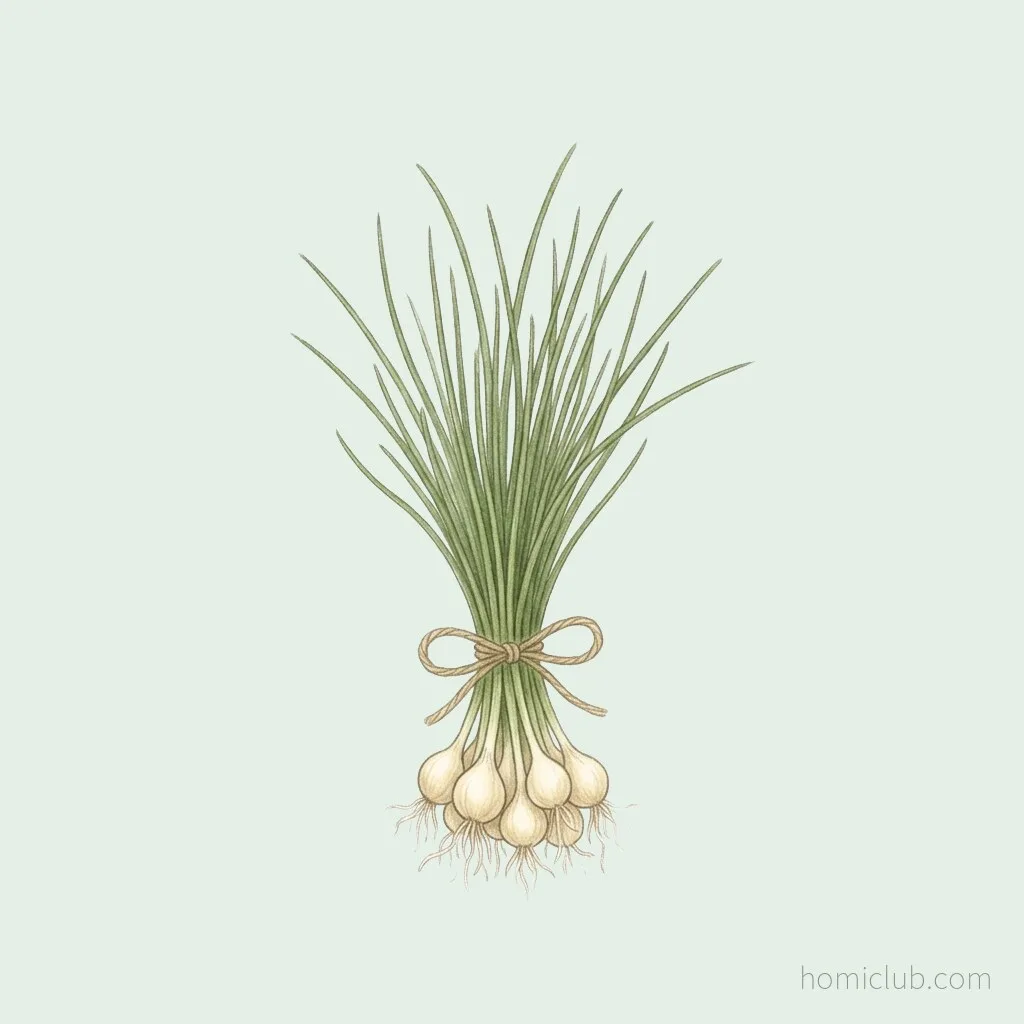
HomiclubBaengnyeom (白斂) is the tuber of the gawitop vine, a material whose name appears alongside baekgeup in old formulas.
Herbs — more entries
This is a cultural and historical record from a classical text, not a claim about any food’s effects. Nothing here is a health supplement or intended to prevent or treat disease. Consult a medical professional about health concerns. · Text: Korean Medicine Classics DB · Reading: Homiclub