
Tangaek — Decoctions · Herbs
白頭翁 Halmikkot (할미꽃)
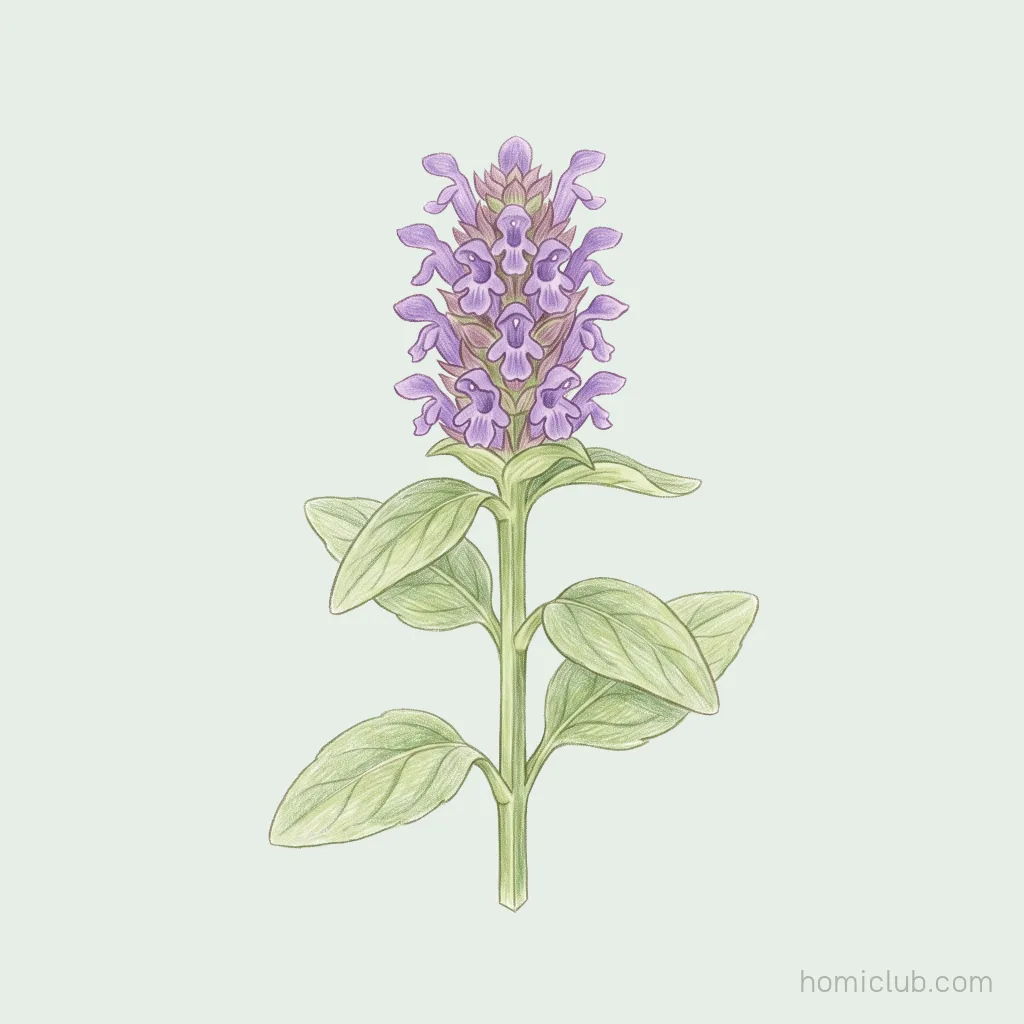
Baekduong is the root of the Korean pasque flower. White hairs an inch long trail from the stem tip like an old man's head, which is where the name comes from. Also called howangsaja, the root is dug in the eighth month and sun-dried. The entry notes slight toxicity.
Original, read line by line 東醫寶鑑 · Tangaek — Decoctions vol. 3
-
性寒, 味苦, 有小毒.
Its nature is cold, its taste bitter, and it carries slight toxicity. As a cooling herb, it must be used with care due to its mild poisonous quality.
-
主赤毒痢及血痢.
It is chiefly used to treat red toxic dysentery and bloody dysentery. By clearing heat and toxins from the intestines, it calms hemorrhagic diarrhea.
-
治項下瘤癧, 消贅子, 療頭癩.
It treats tumors and scrofula below the neck, dissolves warts, and heals scabby sores on the head. It was widely employed for lumps in lymph nodes as well as skin nodules.
-
一名胡王使者, 處處有之.
It is also called Howangsaja, the Hu King's envoy, and grows commonly everywhere. It is a familiar plant easily found on our hills and fields.
-
其苗有風則靜, 無風自搖, 與赤箭獨活同.
Its sprout stays still when the wind blows, yet sways on its own in stillness, sharing this trait with Cheonma and Dokhwal. The passage shows how carefully the ancients observed this plant's mysterious movement.
-
莖端有白細毛寸餘披下, 如白頭老翁, 故以爲名.
At the stem's tip hang fine white hairs over an inch long, resembling an old white-haired man, and so it was named Baekduong. The name affectionately captures the cottony seed plumes that drift after the flowers fade.
-
八月採根, 暴乾. 《本草》
In the eighth lunar month, the roots are gathered and sun-dried, as recorded in the Bencao. Early autumn is when the root's medicinal essence is best preserved.
Herbs — more entries
This is a cultural and historical record from a classical text, not a claim about any food’s effects. Nothing here is a health supplement or intended to prevent or treat disease. Consult a medical professional about health concerns. · Text: Korean Medicine Classics DB · Reading: Homiclub