
Tangaek — Decoctions · Herbs
當歸 Korean Angelica
 Related Crop · Korean Angelica →
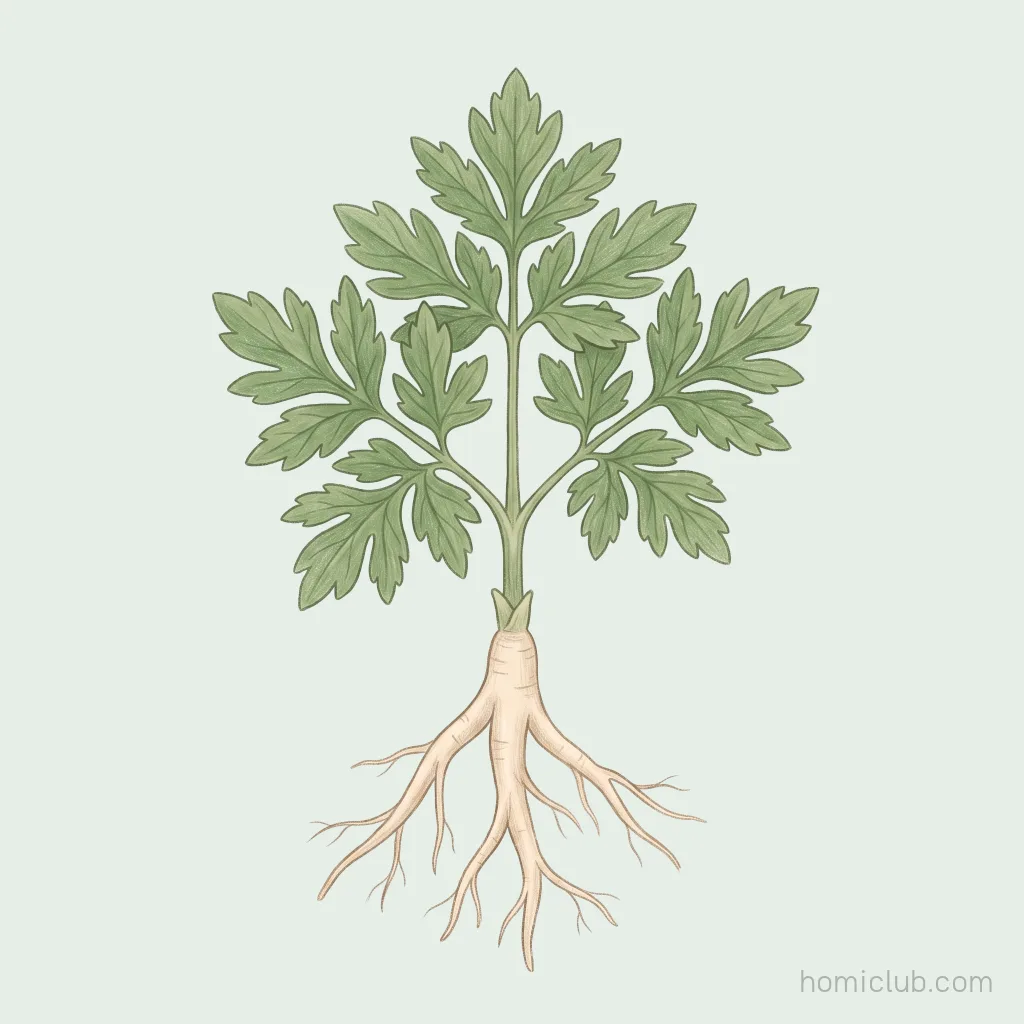
Danggwi is the root of Korean angelica, the same plant as the chamdanggwi in the crop guide. Its young leaves are eaten fresh as wraps today, while the dried root moves through herbal markets. Dongui Bogam says it grows wild in hills and fields and is also sown in plots, with roots dug in the second and eighth lunar months and dried in shade.
Original, read line by line 東醫寶鑑 · Tangaek — Decoctions vol. 3
-
性溫, 味甘辛, 無毒.
Its nature is warm, the taste sweet and pungent, and it carries no toxicity.
-
治一切風ㆍ一切血ㆍ一切勞, 破惡血, 養新血.
It treats all wind disorders, all blood disorders, and all fatigue conditions, dispersing stagnant blood while nourishing fresh blood.
-
及主癥癖, 婦人崩漏絶子.
It also addresses abdominal masses, women's heavy uterine bleeding, and infertility.
-
療諸惡瘡瘍金瘡, 客血內塞, 止痢疾腹痛.
It heals various sores, ulcers, and incised wounds, clears blood lodged within, and halts dysentery and abdominal pain.
-
治溫瘧, 補五藏, 生肌肉.
It treats warm-malaria, tonifies the five viscera, and helps new flesh grow.
-
生山野, 或種蒔.
It grows wild in mountains and fields, and is also cultivated in gardens.
-
二月八月採根, 陰乾.
The roots are gathered in the second and eighth lunar months and dried in the shade.
-
以肉厚而不枯者, 爲勝.
Roots that are thick-fleshed and not withered are reckoned the finest.
-
又云, 肥潤不枯燥者, 爲佳.
It is also said that plump, glossy, and not desiccated specimens are choice.
-
又云, 如馬尾者, 好.
It is further said that those resembling a horse's tail are the good ones.
-
要破血, 卽使頭一節硬實處, 要止痛止血, 卽用尾. 《本草》
To break up stagnant blood, use the firm head segment; to stop pain or bleeding, use the tail. 《Bencao》
-
用頭則破血, 用尾則止血.
Using the head breaks up stasis; using the tail staunches bleeding.
-
若全用則一破一止, 卽和血也.
When used whole, it both disperses and stays the blood at once, thereby harmonizing it.
-
入手少陰, 以心主血也.
It enters the Hand Lesser-Yin channel because the heart governs the blood.
-
入足太陰, 以脾裹血也.
It enters the Foot Greater-Yin channel because the spleen contains the blood.
-
入足厥陰, 以肝藏血也. 《湯液》
It enters the Foot Reverting-Yin channel because the liver stores the blood. 《Tangye》
-
氣血昏亂者, 服之卽定, 各有所當歸之功.
For one whose qi and blood are disordered, taking it brings them to rest; each part returns to where it belongs — hence the very name danggui.
-
治上酒浸, 治外酒洗, 血病酒蒸, 痰用薑汁炒. 《入門》
For upper-body ailments soak it in wine; for surface conditions wash it with wine; for blood disorders steam it in wine; for phlegm stir-fry it with ginger juice. 《Ipmun》
-
得酒浸過, 良. 《東垣》
Soaking it in wine before use makes its effect superior. 《Dongyuan》
Related Crop
Korean Angelica →
Reading on Korean Angelica
Herbs — more entries
This is a cultural and historical record from a classical text, not a claim about any food’s effects. Nothing here is a health supplement or intended to prevent or treat disease. Consult a medical professional about health concerns. · Text: Korean Medicine Classics DB · Reading: Homiclub