

- Type
- Leafy Greens
- Difficulty
- Easy
- Season
- Spring·Fall
- Sowing
- From seed
Spinach
Spinacia oleracea
Iron, folate, and lutein in a leafy green that shrinks when blanched
Spinach is a leafy green loaded with iron and folate. The lutein in its leaves is known as one of the pigments that make up the macula of the eye, and the leaves are also rich in vitamins A and K. Blanching shrinks the volume so you can eat plenty in one sitting, and it also removes part of the oxalic acid spinach is known for. Because spinach prefers cool weather, it grows well in spring and fall, and it can even be overwintered.
Year-Round Calendar
- 1
- 2
- 3
- 4
- 5
- 6
- 7
- 8
- 9
- 10
- 11
- 12
- 3
- 8
- 9
- 1
- 2
- 3
- 5
- 11
- 12
Where It Grows
- Main producer China accounts for most of world production. The North China Plain and the Yangtze valley grow it in relays, one season handing off to the next.
- Major producer The Salinas Valley in California takes the summer crop and Yuma, Arizona the winter crop, so the supply runs year-round.
- Major producer Harvested along the Mediterranean and Aegean coasts in winter and early spring.
- Major producer The Kanto Plain — Gunma, Saitama and the like — is the center, and the summer volume is taken up by highland areas (cool upland farming).
- Origin Ancient Persia is the crop's home ground. It is still grown west of the Zagros mountains and along the Caspian coast.
It came out of Persia (present-day Iran) and spread west through the Arab world into medieval Spain, and east along the Silk Road into China. It reached the Korean peninsula by way of China, and its name appears in the character primer Hunmongjahoe (1527). It is now grown across the temperate world, but China dominates production.
- Optimum
- 15~20℃
- Range
- 4~25℃
- Hardiness
- Hardy
- Day length
- Long-day
Spinach is a cool-climate crop. Young plants hold their leaves flat to the ground and come through an open-field winter of around -10℃, and leaves that have been through the cold pack in sugar and turn sweeter. Go the other way — above 25℃ with lengthening days — and a flower stalk shoots up at once, leaving the leaves tough.
In Korea Nationwide
The crop divides into two: sown in autumn and cut in winter, or sown in spring and cut in late spring. Along the south coast and the southern stretch of the east coast, growers let the sea wind reach the plants and let them overwinter in open fields — spending the whole winter outdoors — so the leaves spread flat against the ground; Pohangcho in Pohang, Seomcho in Sinan and Bomulcho in Namhae are grown that way. Of the winter supply, the crop from the central region is mostly grown under cover.
- 9
- 10
- 1
- 2
- 3
- 12
- 3
- 8
- 9
- 5
- 10
- 11
How to grow
- Light
- Somewhere sunny. This is a cool-season crop
- Soil and depth
- 20cm deep. It hates acid soil, so work in lime a fortnight before sowing
- Spacing
- 10cm. Sow thickly and thin as you eat
- Watering
- When the surface dries. Waterlogged roots rot
- Feeding
- The base dressing usually covers it. Feed once if the leaves pale
- Harvest
- Pull the whole plant at about 20cm. Winter spinach that has taken a frost is the sweetest
What makes the difference. Warm weather sends it straight to seed. Sow by the end of March in spring, or in September for autumn
Common problems
- Damping off You will see Seedlings pinch at the base and topple What to do Improve drainage and do not sow too thickly
- Spider mites You will see Leaf undersides go rough and the colour fades What to do Mist the undersides to raise humidity
This page describes how a crop is grown and used. It does not claim health effects for any food, nor is it intended to prevent or treat disease. Component and study notes are references only and do not mean the same result occurs in people. Consult a medical professional about health concerns.
Health Benefits
Nitrate and the nitric oxide pathway. Spinach ranks among the vegetables higher in nitrate. The pathway by which ingested nitrate passes through nitrite and converts into nitric oxide is established, and several human studies have examined it. That does not mean eating this vegetable prevents or treats any particular condition.
Lutein and zeaxanthin. It is established that lutein and zeaxanthin accumulate in the macula of the eye. Spinach is a leafy green that carries a good deal of both pigments, but that does not mean eating it prevents any particular eye disease.
Folate. Folate is a vitamin used in cell division, and spinach sits among the higher leafy-green sources of it. What can be stated at present stops at nutrient composition.
Extract and supplement studies differ from food. Studies using nitrate supplements or spinach extracts are run under conditions different from eating the vegetable as food. Their results cannot be read across to spinach on the plate.
Nutrition
- Iron and folate (Abundant) — Among the higher levels found in leafy greens
- Lutein (Leaf pigment) — A carotenoid that deepens the leaf color
- Vitamins A and K (Abundant) — Fat-soluble vitamins
Nitrate (NO₃⁻) Spinach ranks among the vegetables highest in nitrate. Ingested nitrate passes through nitrite by way of oral microbes and the stomach and converts into nitric oxide (NO). The pathway itself is well known, but that does not mean eating the vegetable wards off any particular condition. Nitrate is not a compound discussed only as a benefit either: nitrate eaten in vegetables and the nitrate and nitrite used as additives in processed foods are treated as separate discussions. For babies under a year old, keep the amount given at one time small, and do not store cooked spinach and reheat it for them.
Lutein & zeaxanthin The lutein and zeaxanthin abundant in spinach are the macular pigments of the eye. It is established that both accumulate in the macula, and research continues on their relationship with blue light and reactive oxygen species.
Folate Spinach carries folate at one of the highest levels among leafy vegetables. Folate is a nutrient treated as important during pregnancy in relation to neural tube development in the fetus, and it also takes part in cell division.
Vitamins K, A (beta-carotene), C & E Vitamins K, A, C and E are all abundant, so a single bowl of seasoned spinach supplies several vitamins at once. Vitamin K among them takes part in blood clotting, so anyone on anticoagulant medication is usually advised not to raise or lower their intake abruptly.
Iron Spinach is a source of plant-based iron, though oxalic acid limits part of its absorption. The core of the dietary strategy is that absorption is assisted when spinach is eaten together with vitamin C-rich lemon or other acidic foods.
Oxalic acid The oxalic acid characteristic of spinach can interfere with calcium and iron absorption in large amounts, and it comes up in discussions of kidney stones. Blanching removes part of the oxalic acid and eases that burden, which makes the traditional Korean seasoned spinach dish a reasonable preparation.
Magnesium, potassium & dietary fiber Magnesium, potassium and dietary fiber are plentiful in spinach. They form a combination of minerals and fiber that nutrition research discusses in connection with blood pressure, muscle and the gut.
Pairings
○ Sesame oil, perilla oil, or olive oil — Spinach's vitamins A, K, and E and its lutein are fat-soluble, so eating them with a little oil greatly improves absorption. The traditional Korean way of dressing seasoned spinach namul (a blanched, seasoned vegetable side dish) with sesame or perilla oil turns out to make good nutritional sense.
○ Lemon, vinegar, or vitamin C — The plant-based iron in spinach is absorbed more readily when eaten alongside vitamin C. Adding a squeeze of lemon juice or a splash of vinegar does double duty: it tempers the effect of oxalic acid while also boosting iron absorption.
○ Garlic — Sauteed spinach with garlic brings sulfur compounds together with minerals for a synergistic pairing. The allicin in garlic helps your body absorb spinach's vitamin B1, and the antioxidants in both ingredients work together. Garlic
○ Tofu and egg — Dishes like spinach-and-tofu salad or a spinach omelet (gyeran-mari, a rolled Korean egg dish) add plant and animal protein to spinach's vegetable nutrition. It is a home-cooking standard that delivers balanced nutrition in a single dish.
○ Pine nuts and walnuts — Adding pine nuts or walnuts to a spinach pesto brings in vitamin E and omega-3s. The unsaturated fats in nuts help your body absorb spinach's fat-soluble vitamins, and they deepen the flavor as well. Korean Pine Nut · Walnut
△ Babies under one year — Spinach ranks among the vegetables highest in nitrate, so keep the amount given at one time small for babies under a year old. Do not store cooked spinach and reheat it for them either. Nitrate converts to nitrite while the cooked spinach is held, and methaemoglobinaemia — blood left less able to carry oxygen — has been reported in infants of that age. Cook it fresh, feed it straight away, and do not reheat leftovers for them.
△ Large amounts with tofu or milk (disputed) — Some claim that the oxalic acid in spinach can bind with calcium and raise the risk of kidney stones. At normal dietary levels this isn't a concern—only people with a history of kidney stones need to be careful about eating large amounts of spinach together with tofu or milk.
△ Large amounts with green tea — The catechins in green tea can further interfere with the absorption of spinach's plant-based iron. Waiting at least 30 minutes after a meal before drinking tea helps minimize the impact on mineral absorption.
△ High-fat processed proteins — Eating large amounts of spinach alongside processed meats or high-fat proteins can compound the oxalate load. Blanching spinach until tender reduces its oxalic acid content and eases that burden.
Varieties
- Dongyang-jong (East Asian type) (Seed) — Pointed, lobed leaves; hardy enough to sow in autumn and overwinter, turning sweeter.
- Seoyang-jong (Western type) (Seed) — Round, thick leaves that bolt late, so it suits spring sowing and yields plenty for blanching.
- Pohangcho (Seed) — Overwinters outdoors in a low, spreading rosette; thick leaves and a sweet red root crown.
- Namhaecho (Seed) — A coastal overwintering strain, short with crinkled leaves, harvested through midwinter.
Source: Rural Development Administration (Nongsaro)
Stories about Spinach
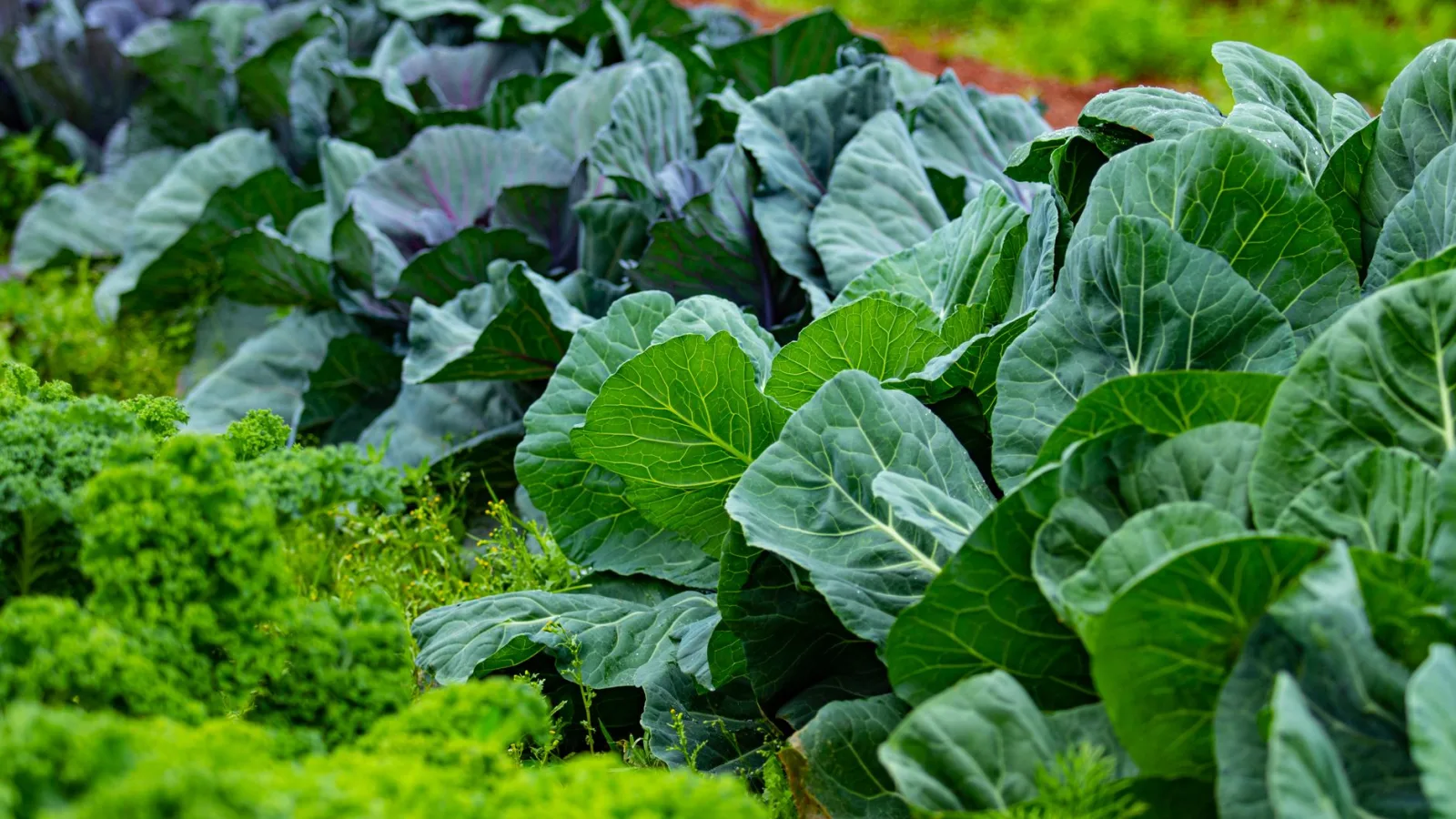
On the Days You're Running on Empty, a Plate of Garden Greens
Dark leafy greens from the garden — kale, spinach, Swiss chard — are loaded with vitamin K, and a recent study links higher intake to fewer depressive symptoms. Here's what the research says, and how to get more of it on your plate.
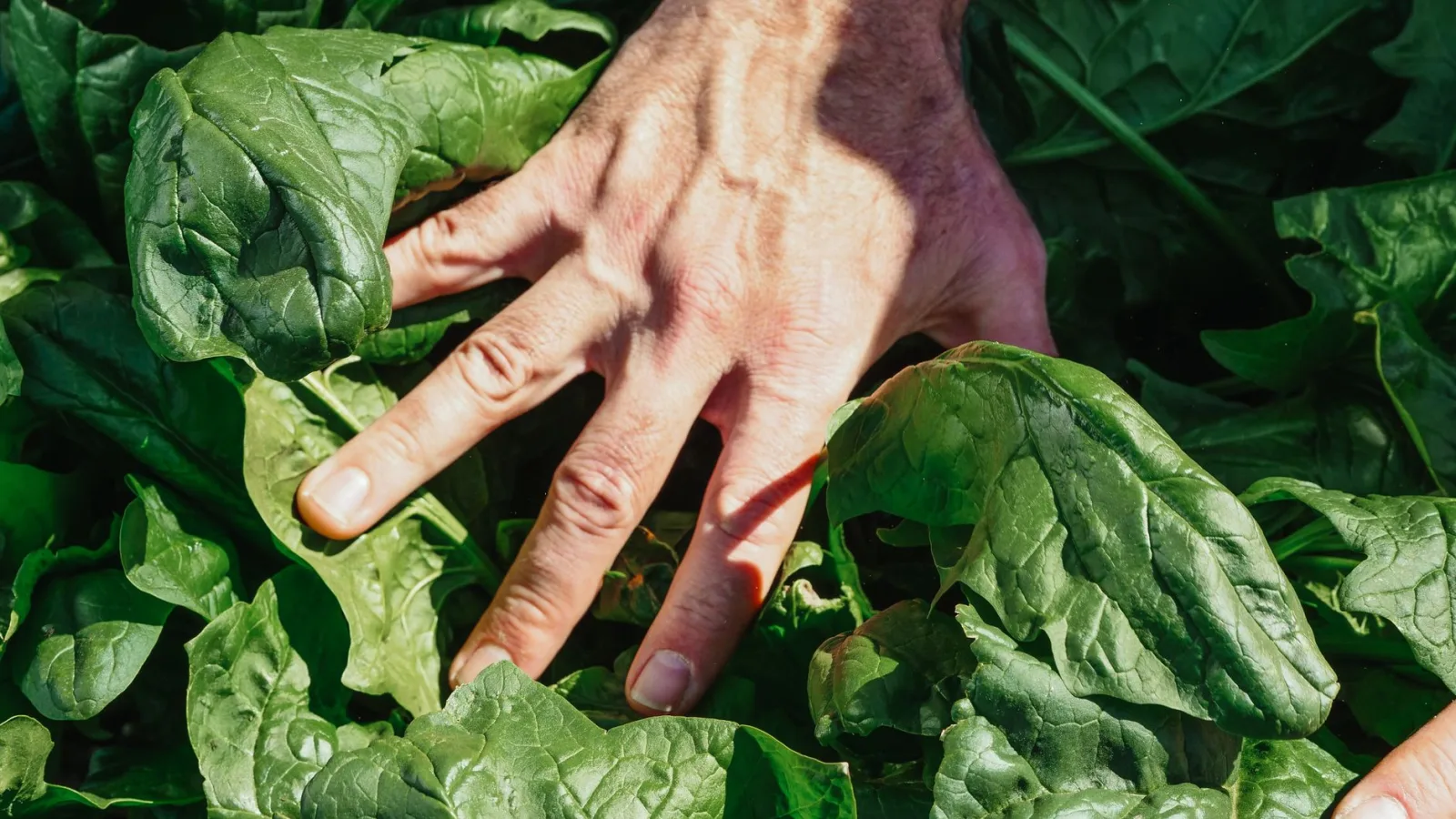
Worried About Your Garden Soil? Spinach, Silicon, and What You Can Do
Spinach grows fast, which means it pulls whatever is in your soil straight into the leaves — minerals and heavy metals alike. A 2026 lab study found that silica cut cadmium buildup in spinach by up to 40 percent, and there's plenty you can do in your own plot before the seed goes in.
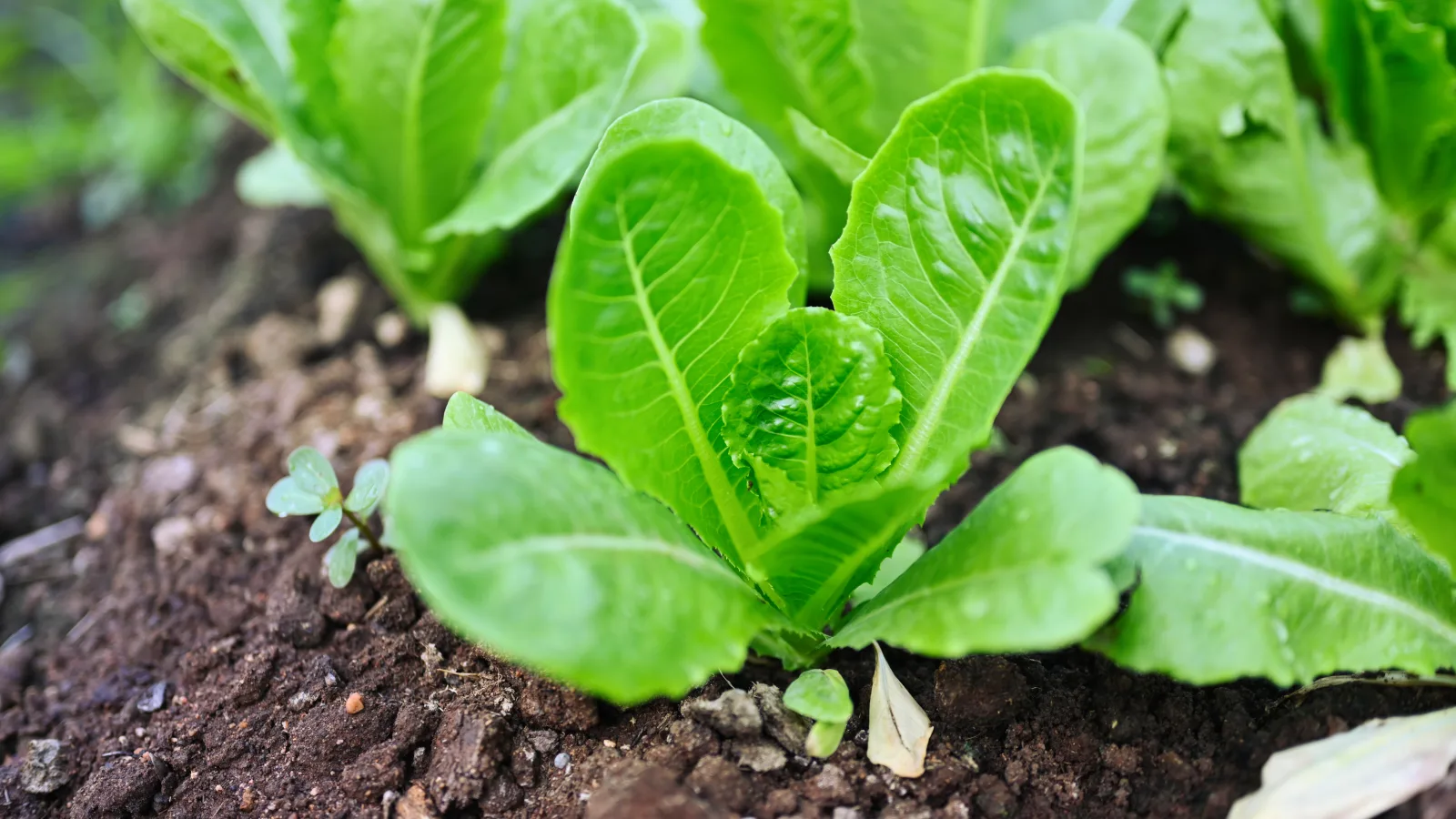
I Gave My Discarded Vegetables Back to the Soil, and My Lettuce Was Never the Same
A 2026 study found that a soil amendment made from vegetable trimmings helped baby lettuce grow as well as chemical fertilizer did, while holding onto far more water. Here's what it means for your own garden.
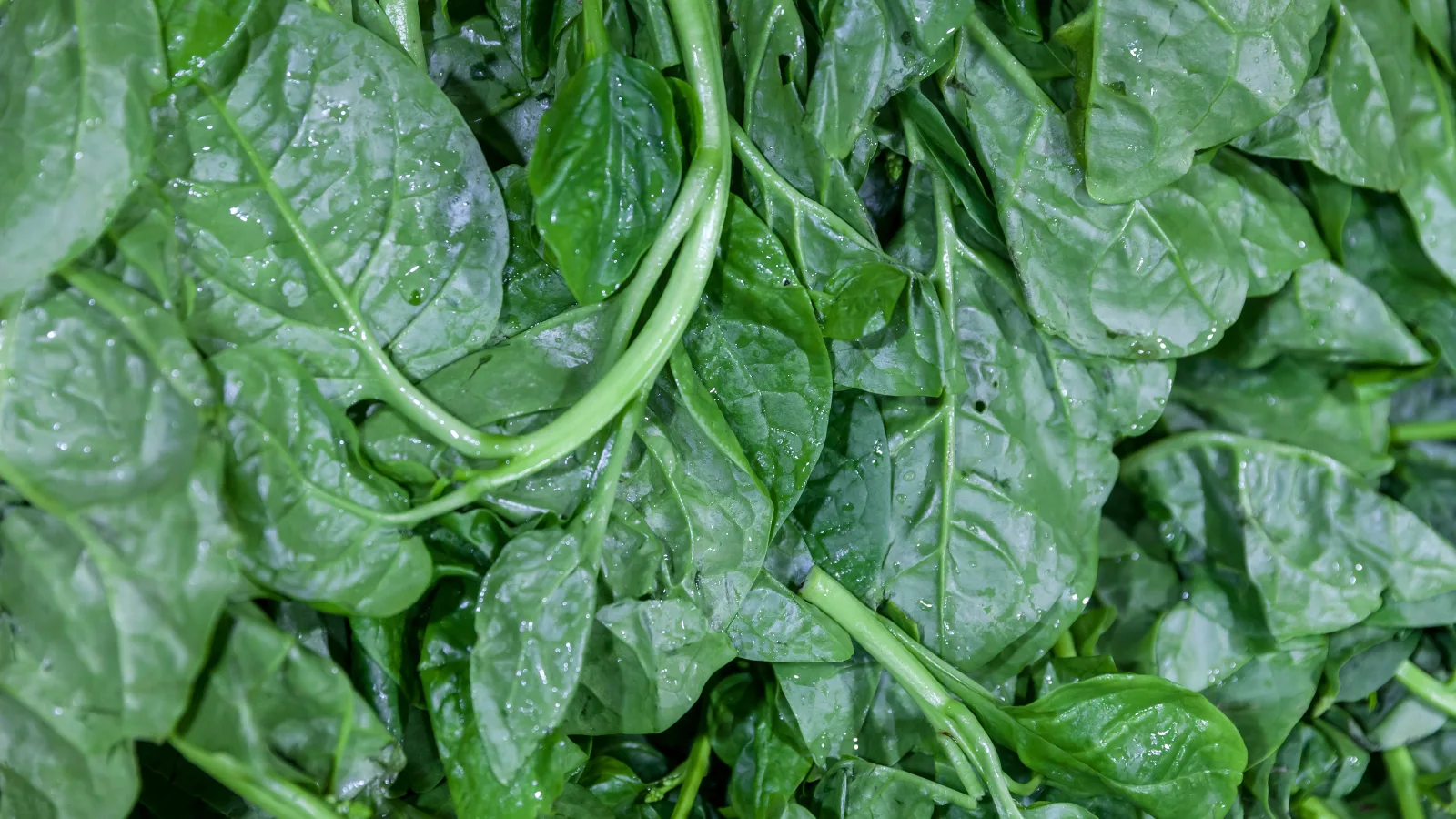
The Benefits of Malabar Spinach
Malabar spinach is a heat-loving vine that keeps your summer garden in greens. A recent study analyzed its leaves, berries, and stems separately—and found that each part has its own strengths.