

- Type
- Fruiting Vegetables
- Difficulty
- Easy
- Season
- Summer
- Sowing
- Transplant
Cherry Tomato
Solanum lycopersicum var. cerasiforme
Lycopene-rich, bite-sized tomatoes
Cherry tomatoes are a small-fruited type of tomato, prized for their bite-sized sweetness and counted among the easiest crops to grow on a balcony or in a pot. Their compounds are the same as a standard tomato, led by the red pigment lycopene along with vitamin C, and cooking them raises how much lycopene the body absorbs. One caution: for children four and under, never serve them whole - cut each one lengthwise into quarters. The round shape and slippery skin mean a whole cherry tomato can block a small airway. For the full research details, see the main tomato page.
Year-Round Calendar
- 1
- 2
- 3
- 4
- 5
- 6
- 7
- 8
- 9
- 10
- 11
- 12
- 4
- 5
- 6
- 7
- 8
- 9
Where It Grows
- Main producer Accounts for roughly a third of world tomato production. Greenhouse cultivation in Shandong and Hebei is the mainstay.
- Main producer Grown to take advantage of the cool dry season. The southern Deccan Plateau and the northern plains are the main growing areas.
- Major producer Greenhouse cultivation around Antalya, on the Mediterranean coast, handles Europe's winter supply.
- Major producer California's Central Valley and Florida are the main growing areas.
- Major producer Grown in the Nile Delta during the cool winter.
- Major producer A winter growing region centered on Sinaloa, and the largest exporter supplying fresh tomatoes to the North American market. Mesoamerica, where the tomato was domesticated, extends into this country.
The wild ancestors are found in the western foothills of the Andes in South America (Peru and Ecuador), while the plant was domesticated in Mesoamerica, centered on Mexico — so its origin cannot be pinned to a single country, and no origin row has been included. The cherry tomato belongs to a near-wild variety (var. cerasiforme), and its production statistics are not recorded separately from ordinary tomatoes, so the list above is based on total tomato production.
- Optimum
- 20~25℃
- Range
- 10~35℃
- Hardiness
- Not hardy
- Day length
- Day-neutral
It grows best at 25℃ by day and 15–18℃ at night. When nights are too warm the flowers drop, and above 35℃ the pollen dies and no fruit will set. Frost kills the plant outright. Flowering time is determined not by day length but by leaf number and temperature.
In Korea Nationwide
In open fields, seedlings are planted in April–May and harvested from June to September. Winter and early-spring supply comes from greenhouse cultivation, so the crop is available year-round. Buyeo and Nonsan in South Chungcheong, Damyang in South Jeolla, and Jinju in South Gyeongsang are the best-known growing areas.
How to grow
- Light
- It wants a lot of sun
- Soil and depth
- 30cm deep or more; 15 litres in a pot
- Spacing
- 45cm
- Watering
- Even. Uneven watering splits the fruit
- Feeding
- Every fortnight
- Harvest
- Pick as each one colours, by the truss or singly
What makes the difference. Far easier than a full-size tomato. A good first fruiting crop for a balcony. It still needs its side shoots pinched
Common problems
- Blossom end rot You will see A black patch underneath What to do Water evenly
- Aphids You will see Sticky new growth What to do Wash them off
This page describes how a crop is grown and used. It does not claim health effects for any food, nor is it intended to prevent or treat disease. Component and study notes are references only and do not mean the same result occurs in people. Consult a medical professional about health concerns.
Health Benefits
Same as tomato — shared evidence. The cherry tomato is a small-fruited variety of the tomato (Solanum lycopersicum) and shares its compounds, including lycopene, and its body of human research with the standard tomato. For the full breakdown of nutrients, benefits, and the supporting studies, see the main tomato page.
Nutrition
- Lycopene (red carotenoid) — Absorption rises when cooked with oil
- Vitamin C & potassium (reported at levels similar to a standard tomato) — A solid amount even at bite size
Lycopene This antioxidant carotenoid produces the red color of cherry tomato, and it is the same compound found in ordinary tomatoes. Cooking it together with oil raises the absorption rate.
Vitamin C & potassium Even at bite size it holds a solid amount of vitamin C and potassium, which makes it good for snacks and salads.
Pairings
○ Olive oil — Eaten with fat, the fat-soluble lycopene is absorbed more readily.
○ Mozzarella (Caprese) — Paired with cheese and basil, the sweetness and acidity both come alive. Basil
○ Salads & lunchboxes — Easy to rinse and toss in whole, making them a staple for lunchboxes and salads.
△ Quarter lengthwise for children four and under — Whole cherry tomatoes choke small children — the size and slick skin plug the airway, which is why they rank among the most common choking foods. Cut them into four lengthwise wedges for children four and under; halving still leaves a round plug. Keep the child seated and stay with them.
Varieties
- Round cherry type (Seedling transplanting) — The common round kind, thin-skinned and juicy; it splits easily once fully ripe, so pick on time.
- Date-shaped (grape) type (Seedling transplanting) — Elongated with firm skin that resists splitting; sweeter, and it stays firm for days after picking.
- Yellow and orange types (Seedling transplanting) — Less acidity and more up-front sweetness; mixed with red ones for a two-toned harvest basket.
- Dwarf (bush) type (Seedling transplanting) — Growth stops at a set height, so it needs little pruning; fits a pot or a narrow balcony spot.
Source: Rural Development Administration (Nongsaro)
Stories about Cherry Tomato
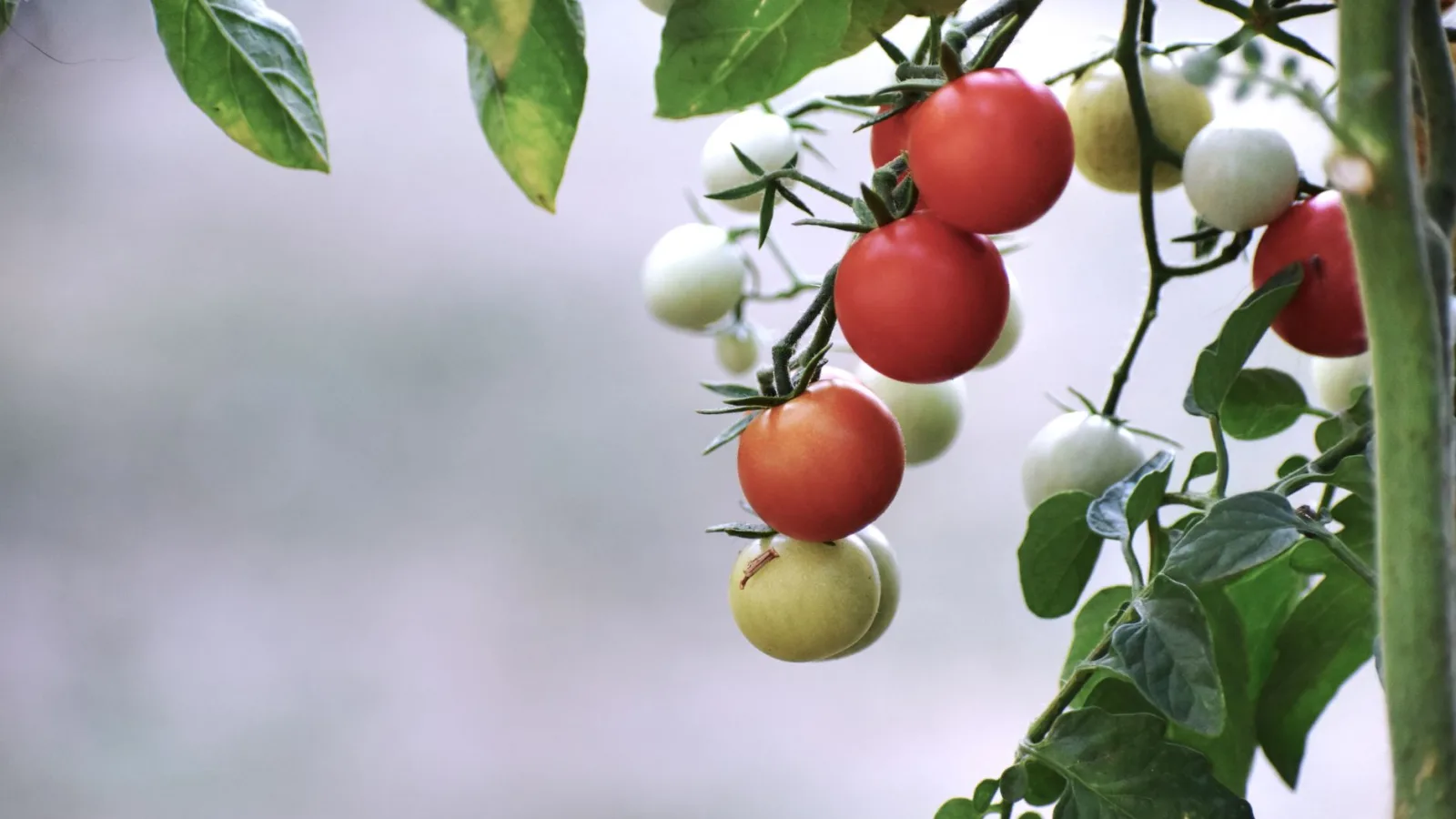
Keep Your Cherry Tomatoes from Going Soft with a Natural Coating
Food scientists made an edible coating from milk protein, chitosan from shellfish and a grain antioxidant, and it kept cherry tomatoes firm and nutritious for 25 days in the fridge. Here's what home gardeners can borrow from it.
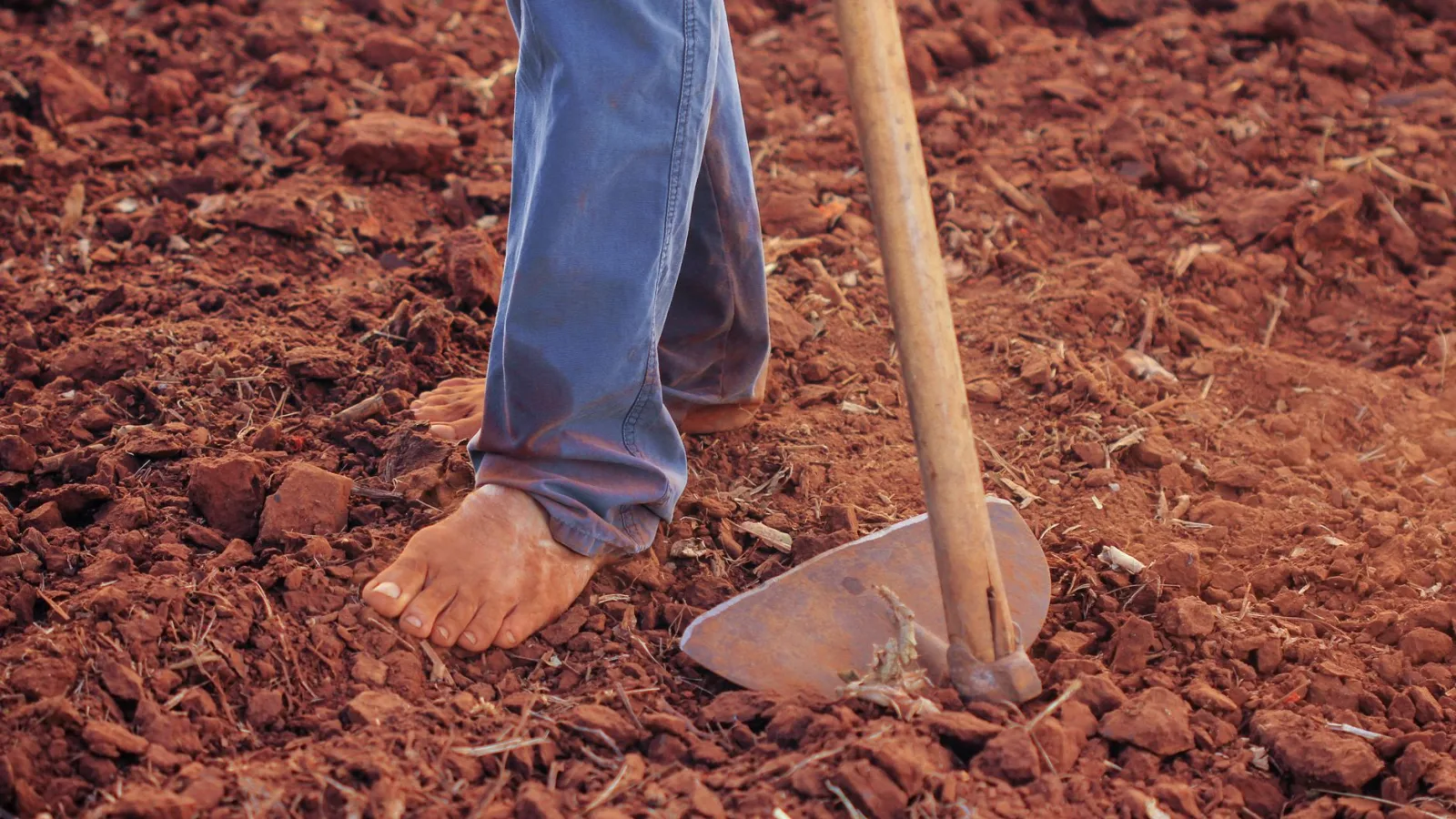
The Season Teachers Reach for a Hoe
Teachers in Chungbuk recently spent a training course learning to plant and tend vegetables themselves, on the theory that you can't hand a child a seed you've never grown. The same lessons transfer, more or less unchanged, to two or three pots on a balcony.
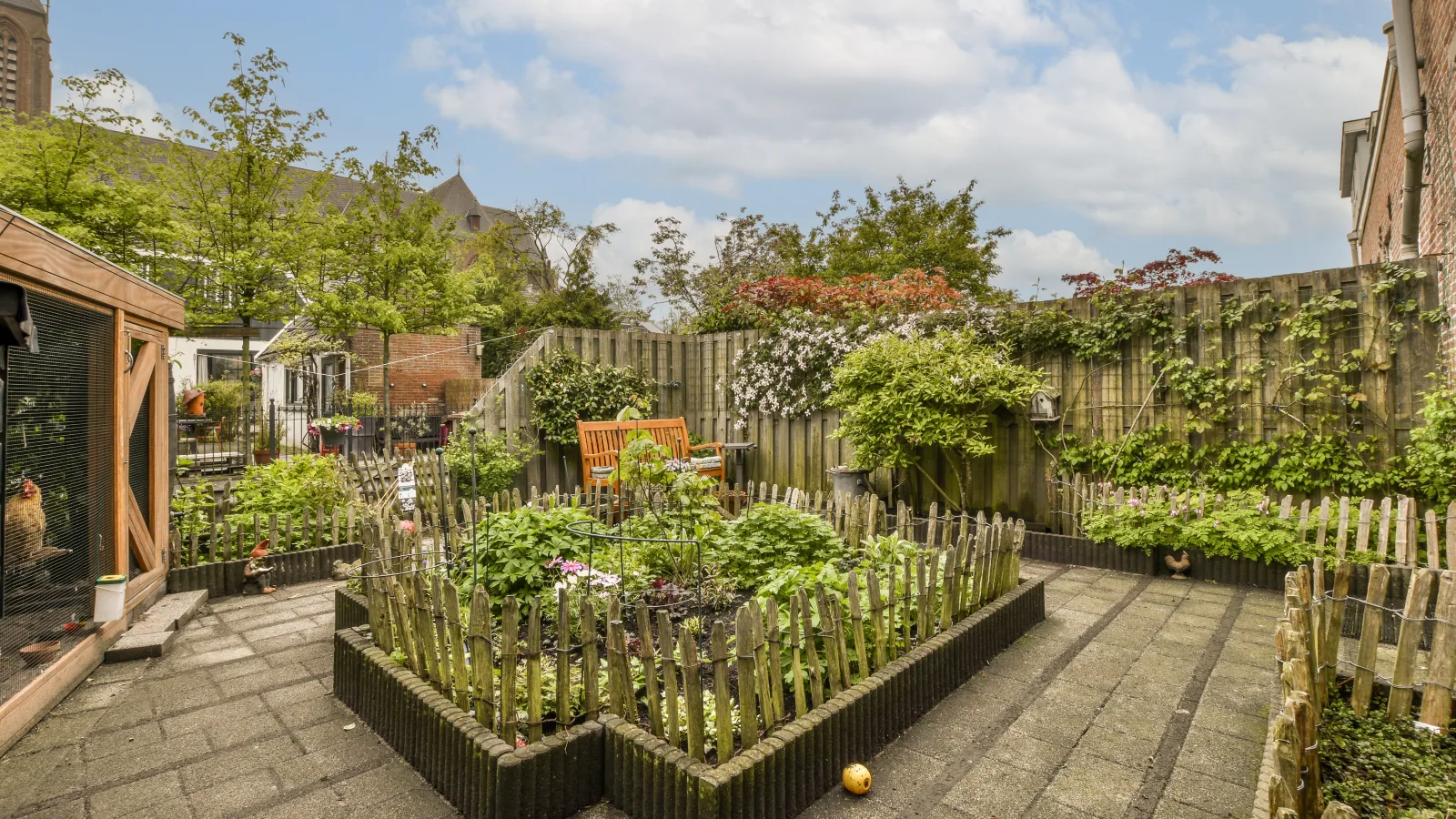
The Season the Pill Packet Thins Out — and What Garden Vegetables Fill In
A year-long study of 200 older adults found that ongoing diet and exercise coaching kept people on their medications — and protected their kidneys. The foods that went up on their plates are the ones already growing in a summer garden.
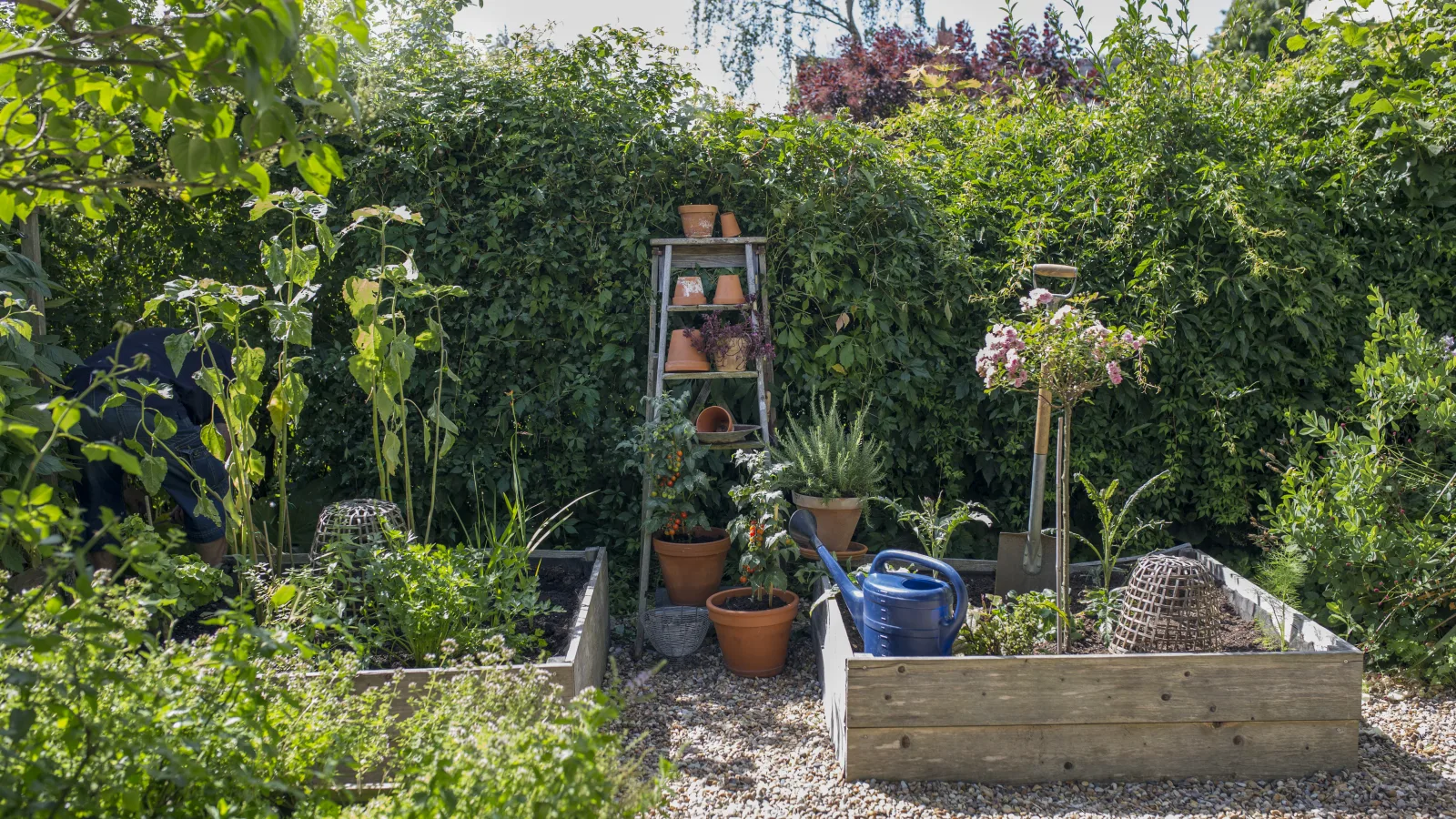
Gardening While Pregnant: How Much to Move, and What to Eat
A study of more than a thousand new mothers found that the most active women ate more produce — but also more sweets and fast food. And the lowest rate of preterm birth showed up not in the most active group, but in the one just above the middle.