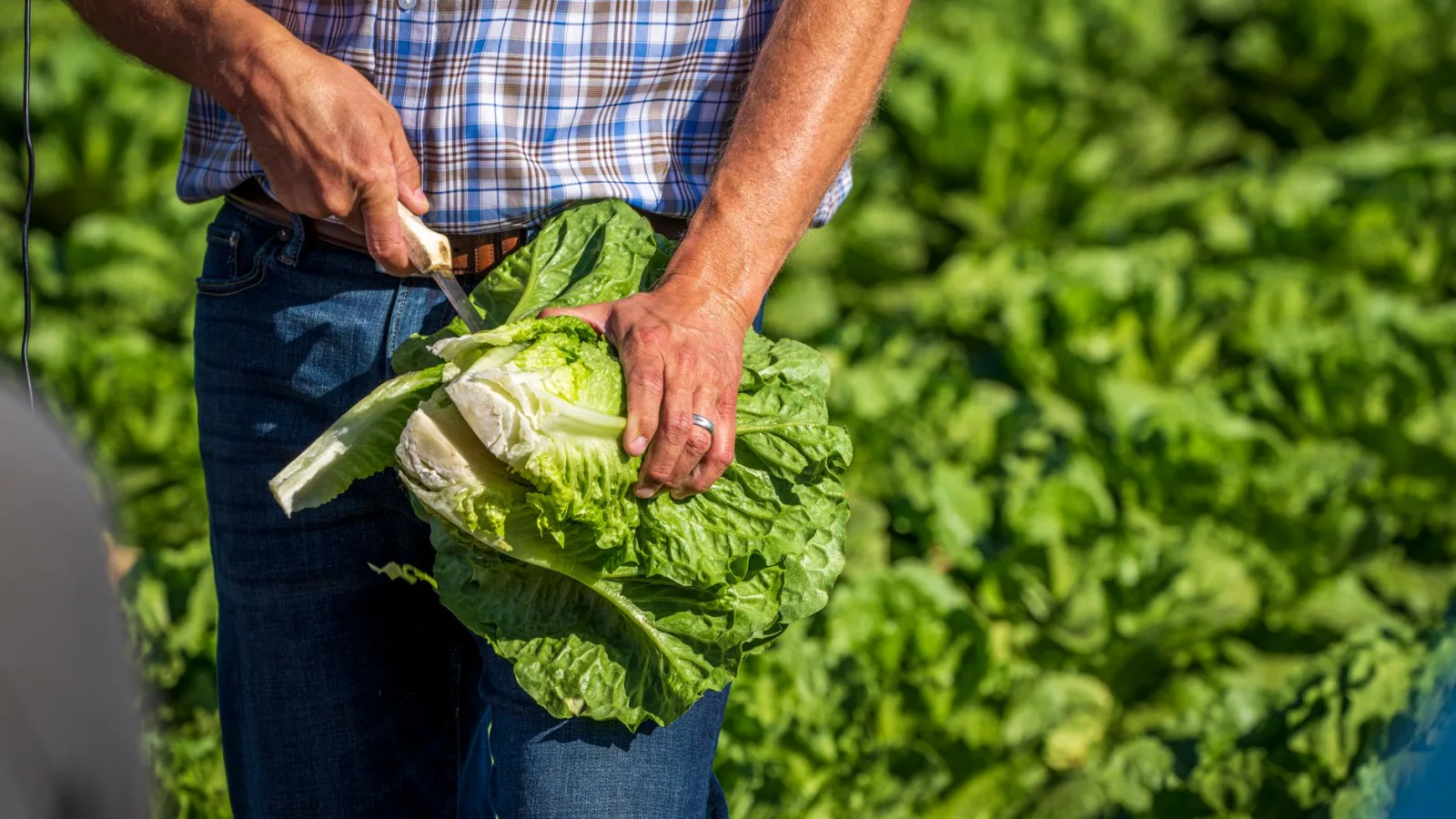
It's a July afternoon. A cloud drifts over, casting shade, and then the sun breaks through again. In those few seconds, the amount of light hitting your lettuce row jumps several times over. To our eyes, it just looks a little brighter. Inside the leaf, though, a response is already underway.
Extra light is a burden on the leaf
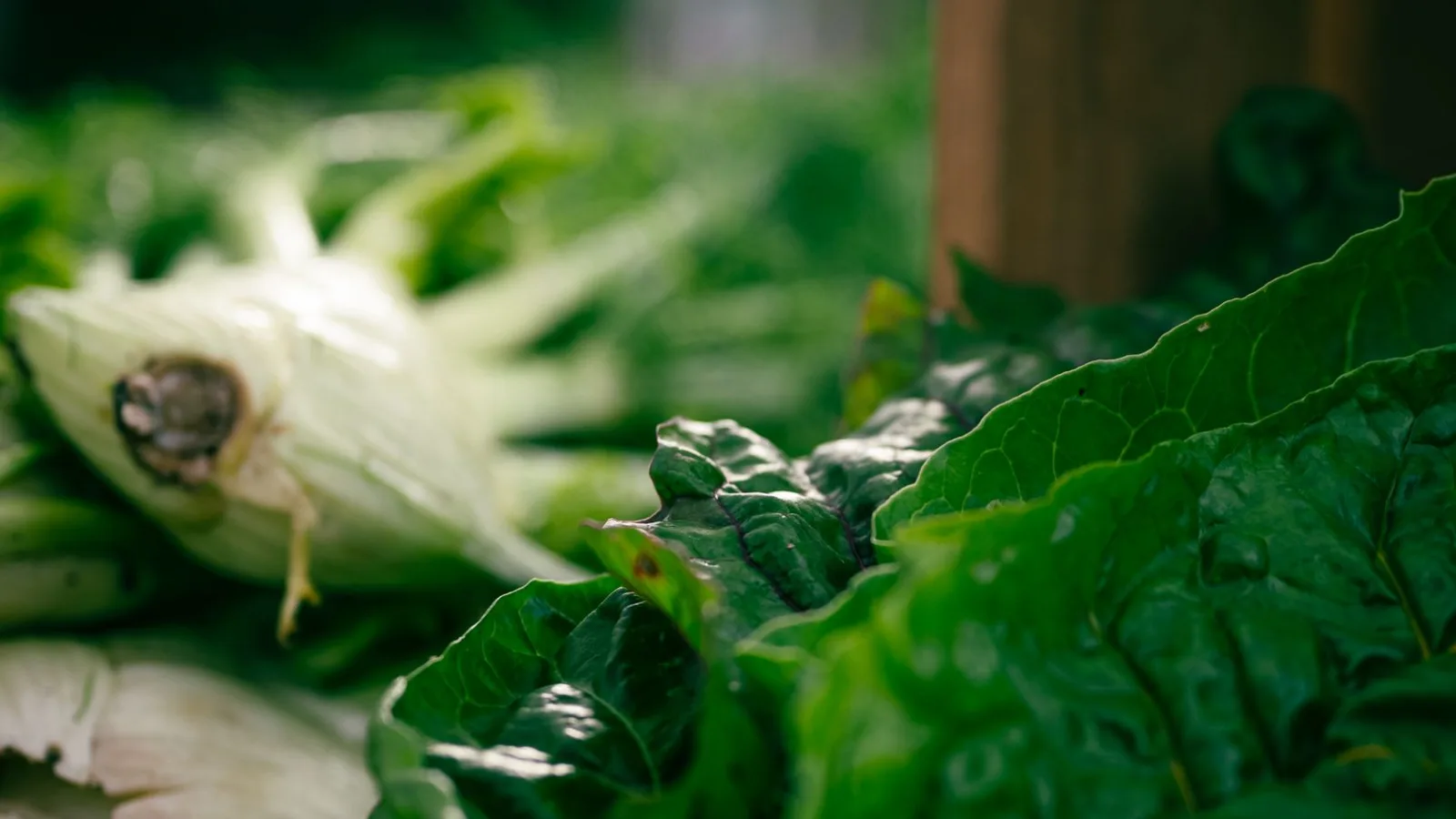
There's a limit to how much light photosynthesis can use. The midday sun in high summer delivers far more than leafy greens like lettuce and spinach can handle. That surplus light generates reactive oxygen species inside the chloroplasts, and these in turn damage the proteins that photosynthesis depends on. The result is leaf scorch: leaves that turn yellow or develop white patches.
So plants shed the excess light as heat, or shift their chloroplasts to the side walls of the cell so they catch less of it. The problem is speed. A cloud passes in seconds, but it usually takes hours for gene activity in the cell nucleus to change and for new proteins to be made.
Chloroplasts adjust before the nucleus's genes get moving
Researchers at Bielefeld University in Germany and the Australian National University have identified a new signaling pathway that works within this short window. When strong light hits, chloroplasts don't wait for gene activity in the nucleus to change. They adjust the amount of protein being made inside them on their own. The response begins not in hours but within minutes.
Chloroplasts carry their own genes. Rather than waiting for new instructions from the nucleus, they read the genes they already have and make more or less of the proteins they need, right on the spot. That's what gets them through the first few minutes after the light intensifies.
For now, though, this has only been confirmed in plants used in the lab. How strongly the same regulation works in crops like rice and wheat still needs to be tested. The researchers believe that selecting varieties that are good at it could help protect yields in a climate where heat and drought are becoming more frequent.
In the garden, soften the sudden changes
Even if leaves can respond within minutes, they have their limits. The greatest stress comes when a leaf that has been in dim light suddenly meets the blazing sun. Here's what you can start doing today.
- Harden off seedlings over several days. Seedlings raised indoors or in a greenhouse will bleach white if you set them straight out in the open garden. Start with an hour or two in the shade on the first day, half a day the next, and keep building up over four days to a week.
- 30–50% shade at midday is plenty. For leafy greens that like it cool, such as lettuce, spinach, and chrysanthemum greens (ssukgat), covering them just from 11 a.m. to 3 p.m. cuts down on leaf scorch. Shade them too heavily and they'll grow leggy.
- Water around sunrise. Roots need time to draw water up so the leaves can hold out without keeping their stomata closed for long. Wilting at midday and perking back up after sunset is a normal response, so there's no need to add water every time it happens.
- Prune and transplant on overcast evenings. This keeps inner leaves from being suddenly exposed.
When strong light and heat arrive together, lettuce bolts and the lactucin in its leaves increases, making them more bitter. Shading and harvesting early in the morning hold that off and lengthen the time you can keep picking from the same plant.
This evening, try taking down your shade cloth an hour later than usual. Just easing the load of light your leaves have to cope with will keep your midsummer lettuce row going longer.