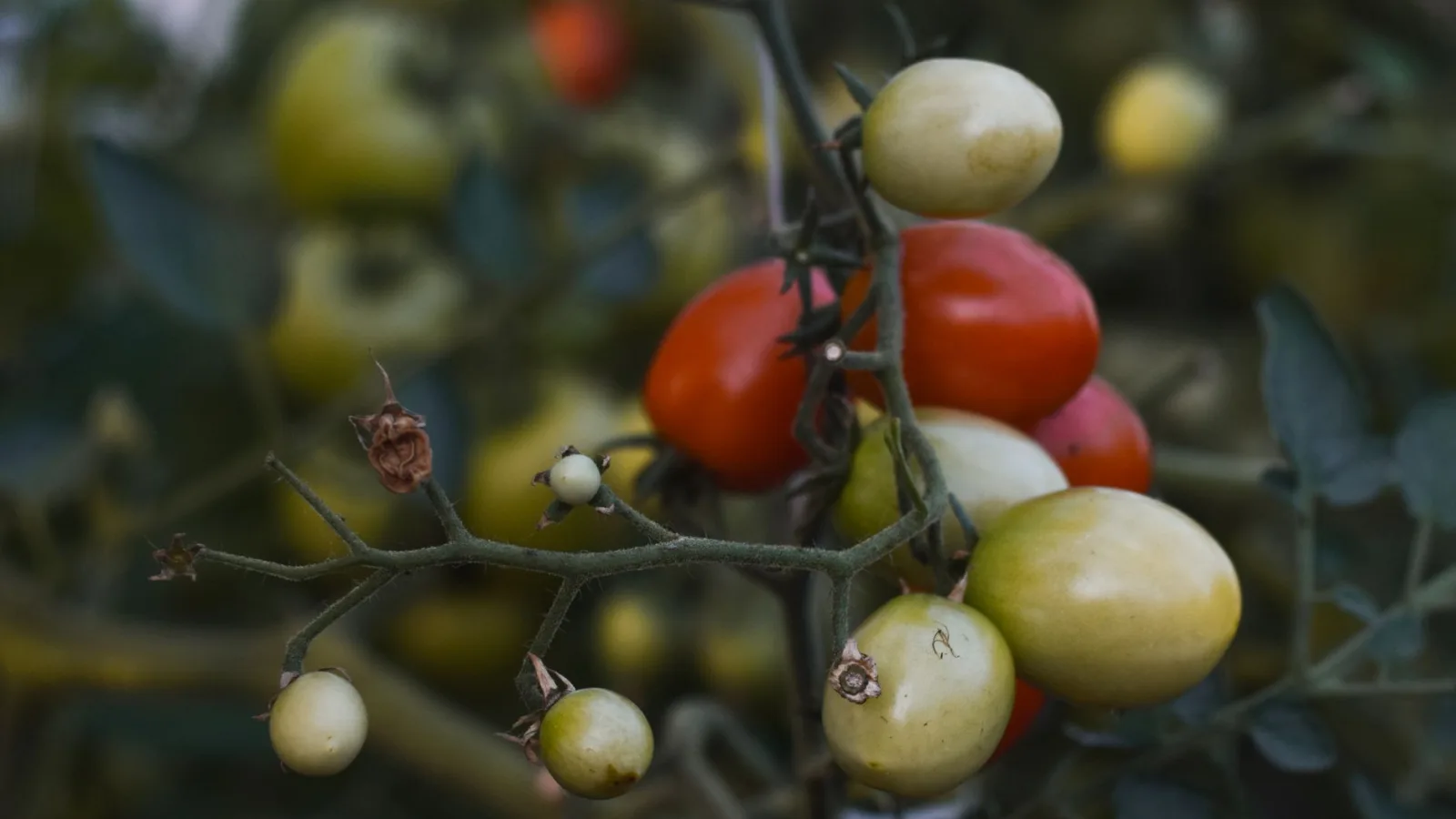
It's late September in the Northern Hemisphere. The tomatoes transplanted as seedlings back in May are still reddening a few clusters at a time along their stakes. The harvest runs from July through October, so by now a single plant gives you more than you can eat fresh. After a whole summer of slicing them up, this is about when you start looking for other ways to cook them. It's also where one of the most common questions about tomatoes comes from: are they better cooked, or raw?
The answer depends on what you're after. Lycopene, the red pigment, is absorbed more fully by the body when tomatoes are cooked with oil. Vitamin C, on the other hand, survives better when they're eaten raw.
Cooking Boosts Lycopene Absorption
Lycopene is a carotenoid pigment, the compound that gives tomatoes their red color. It's also known for its antioxidant activity. In a raw tomato, the pigment sits locked inside the cells of the flesh, which is why only a portion of it is thought to be absorbed after eating. Heat softens the cell walls, and one explanation is that this makes it easier for the lycopene to get out.
Human studies have confirmed that more lycopene is absorbed from tomatoes cooked with oil than from raw ones. That's also why tomato sauce and tomato paste deliver more lycopene than fresh tomatoes do. But absorbing more of it doesn't mean it prevents any particular disease. Most studies that looked at blood markers used supplements made from extracted lycopene, and those results can't simply be carried over to a plate of tomatoes.
Why Oil Matters
Lycopene dissolves in fat, not water. So rather than simmering tomatoes in water alone, sautéing them in olive oil or adding a little fat while they cook helps your body take in more. Tomato dishes from around the world already meet this condition.
- Italian pasta sauce and the tomato sauces of many other cuisines typically start by sweating garlic and onion in oil before the tomatoes go in to simmer down.
- Chinese stir-fried tomato and egg, and shakshuka (the North African and Middle Eastern dish of eggs poached in tomato sauce), cook tomatoes and eggs together in oil in one pan, so the fat from the eggs is added as well.
- Even caprese (the uncooked salad of layered tomato, mozzarella, and basil) gets a drizzle of olive oil, so the fat is there too.
You don't need much. One tablespoon of olive oil (about 15 ml) is plenty for sautéing two or three tomatoes. Start by cooking the garlic over low heat, then add the tomatoes and let them cook for about 10 minutes, until the flesh breaks down.
What Raw Tomatoes Keep
None of this makes raw tomatoes a lesser food. Tomatoes also contain vitamin C and potassium. Vitamin C is fairly heat-sensitive, and the longer you simmer, the more of it is lost. That's why a freshly picked tomato sliced into a salad holds on to more of its vitamin C. Lycopene, by contrast, is absorbed better with heat and a little oil.
Rather than sticking to one method, eating tomatoes both raw and cooked lets you get the benefit of both.
Before You Eat
- Don't eat unripe green fruit, or the leaves and stems. They contain solanine and tomatine. Unless you're growing a variety that stays green when ripe, eat only fruit that has fully colored up.
- If you have acid reflux, it's best to avoid tomatoes on an empty stomach or right before bed. Their acidity can irritate the lining of the esophagus and make symptoms worse.
- Some people with migraines are sensitive to tomatoes. If you notice a headache recurring after eating them, keep a note of what you ate that day and talk it over with your doctor.
Tomatoes are grown in large quantities in China, India, Turkey, the United States, and Italy. The nutrition and food-pairing information in this article is based on the tomato entry in the Homiclub crop guide, where you can also find planting and harvest months.
If you picked three tomatoes today, try sautéing two in olive oil with eggs, and slice the third to eat just as it is.