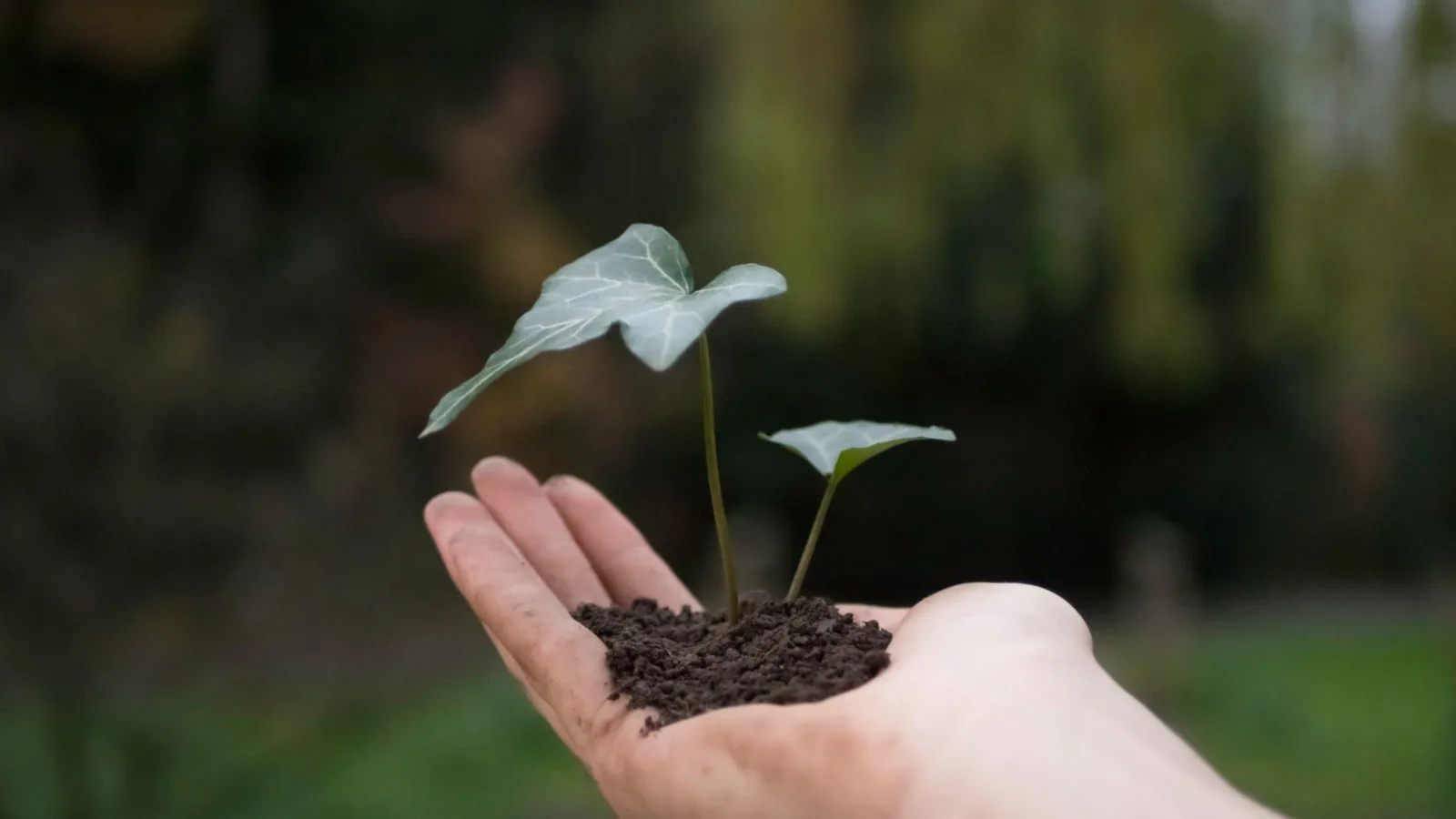
In early spring, finely cut, pale green leaves push up about a hand's span above the garden beds. This is cow parsley, grown from seed sown the fall before. Rub a leaf between your fingers and you'll catch a scent somewhere between minari (Korean water celery) and dang-gwi (Korean angelica). But first-time growers, and anyone who has spotted something similar in a field, nearly always start with the same question: Is this safe to eat?
It's a fair question. Cow parsley (Anthriscus sylvestris) is a perennial in the carrot family, and that family includes several plants that are poisonous to people. Korea, Japan, and China all grow it as a leafy green, and in Korean it's called jeonho. Whether it's safe to eat depends on three things: which plants it looks like, where the leaves came from, and which parts you eat and how much.
Poisonous Look-Alikes in Early Spring
Cow parsley's deeply divided leaves look like those of water hemlock (Cicuta virosa) and poison hemlock (Conium maculatum). Both plants contain toxins that can kill a person. They're hardest to tell apart in early spring, when only the young leaves are up. Field guides give these distinguishing features:
- Water hemlock: Grows at the water's edge and in wetlands. Slice through its thick rootstock and you'll see hollow chambers divided by thin walls, with a yellowish sap seeping out.
- Poison hemlock: Its stems are blotched with purple and give off an unpleasant smell when rubbed.
Out in the hills and fields, other toxic carrot-family plants grow alongside it, such as jiri-ganghwal, sometimes called gae-danggwi, or "false angelica." The features above are only good for deciding which unfamiliar plants to pull when they creep in around the edges of your garden. Matching one or two traits is never enough to decide that a wild plant is safe to eat.
Grow It Instead of Foraging
That's why the Homiclub guide advises against digging up wild cow parsley in the hills and fields. Eat only leaves from seed you've sown in your own garden. When you know exactly where the seed went in, the chances of a poisonous plant getting into your harvest drop sharply. In the Northern Hemisphere, seed sown in September or October will overwinter, and you can start cutting young leaves the following February through April. Along Korea's southern coast, it's a traditional spring green.
Buy seed in packets labeled with the scientific name. If similar-looking leaves come up on their own in your garden, don't assume they're cow parsley. Pull them out. If you can't be sure what a plant is, don't eat it. For a month-by-month to-do list, see the cow parsley entry in the Homiclub Crop Guide.
Eat the Young Leaves and Tender Stems
The plant's name causes confusion too. The jeonho (前胡) listed in the Herbs section of Dongui Bogam, the 17th-century classic of Korean medicine, is a medicinal root, dug up in the second and eighth lunar months and dried in the sun. The Korean Pharmacopoeia lists the source of medicinal jeonho as the root of Peucedanum praeruptorum or Angelica decursiva. The cow parsley in your garden is a different plant that only shares the Korean name. Because the names match, it's easy to assume the old records about the medicinal herb also apply to the garden plant. On garden cow parsley, the parts you eat are the young leaves and tender stems. Don't cook the roots as a vegetable. Dig them up only when you're dividing plants to grow more.
One Small Plate, and Less at First
With strongly aromatic wild greens, Korean cooks have long known not to eat too much at once. Researchers have reported finding lignans in the deoxypodophyllotoxin family in cow parsley grown as a vegetable. These compounds come mainly from the roots. Nobody has yet worked out how much is in the young leaves, or how much a person can safely eat. So serve cow parsley as one small side dish, not something you put on the table at every meal. If you're trying it for the first time, start with just a few bites.
The leaves also contain essential oils, which give the plant its aroma, dietary fiber, which makes up the leaf tissue, and carotenoids such as beta-carotene. All of these are common in leafy greens. The Homiclub guide has no data measuring any health benefit specific to cow parsley. It's safer to eat it as a seasonal green, for its spring flavor, than to eat more of it because it's "good for you."
Blanch It, Fry It, or Add It Just Before the Heat Goes Off
- Seasoned greens (namul): Blanch, squeeze out as much water as you can, then toss with doenjang (Korean fermented soybean paste) and perilla oil. The perilla oil keeps the aroma around longer, and the salty doenjang tames the leaves' sharp, slightly bitter bite.
- Savory pancakes (jeon): Stir whole young leaves into a flour batter and pan-fry. Oil and heat soften the aroma, so the pancake tastes quite different from the seasoned greens. Split any thicker leaves in half before adding them.
- Soup: Add to doenjang soup or a clear broth just before you turn off the heat. If it simmers too long, the aroma disappears and the leaves turn mushy. A handful per pot is plenty.
If you live in the Northern Hemisphere, choose a row for your cow parsley before October is out, and start by putting a label with its scientific name at the end of the row.
Sources: Dongui Bogam, Herbs section, entry on jeonho (前胡); Korean Pharmacopoeia, botanical source of jeonho (前胡); Homiclub Crop Guide.