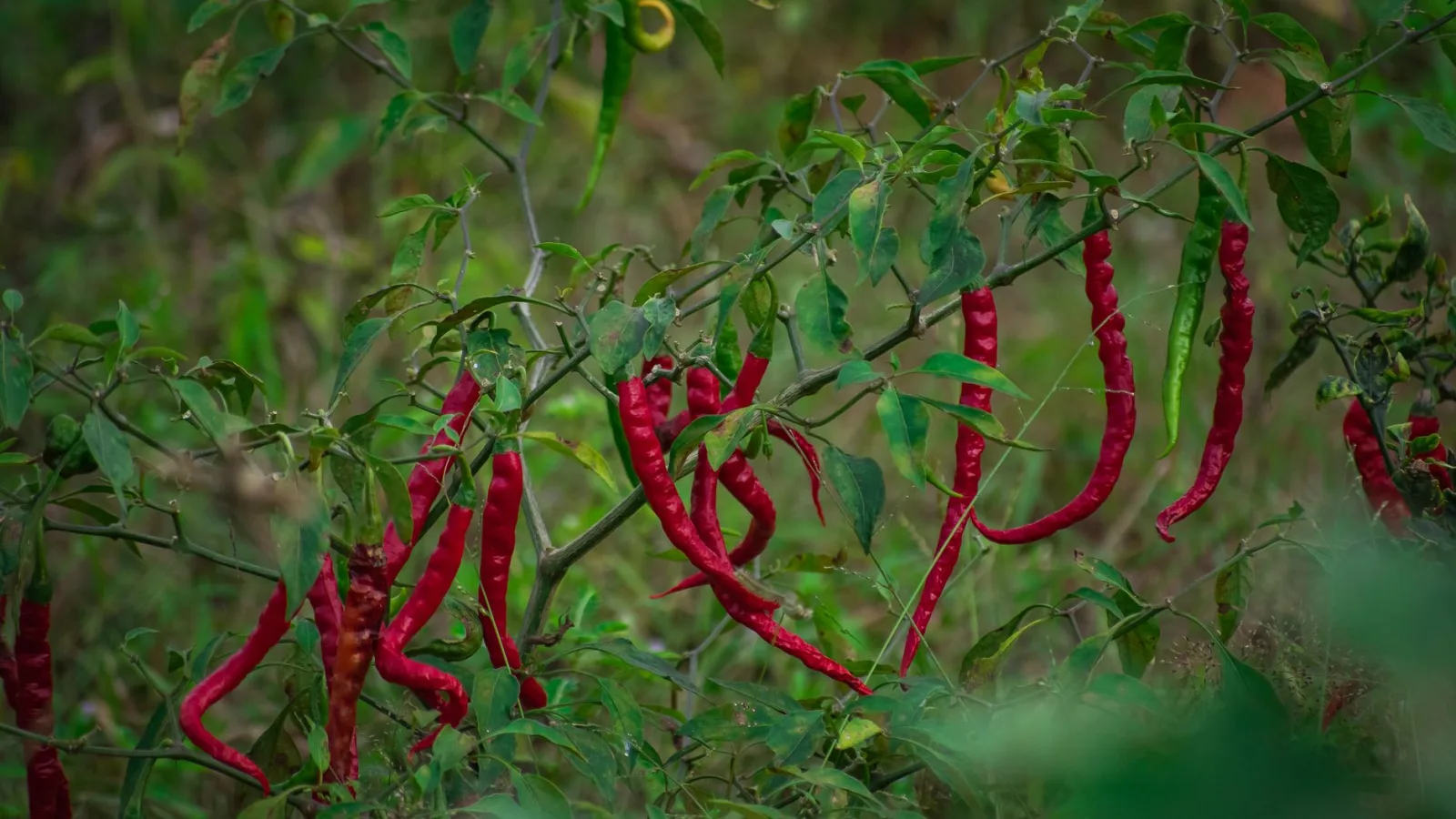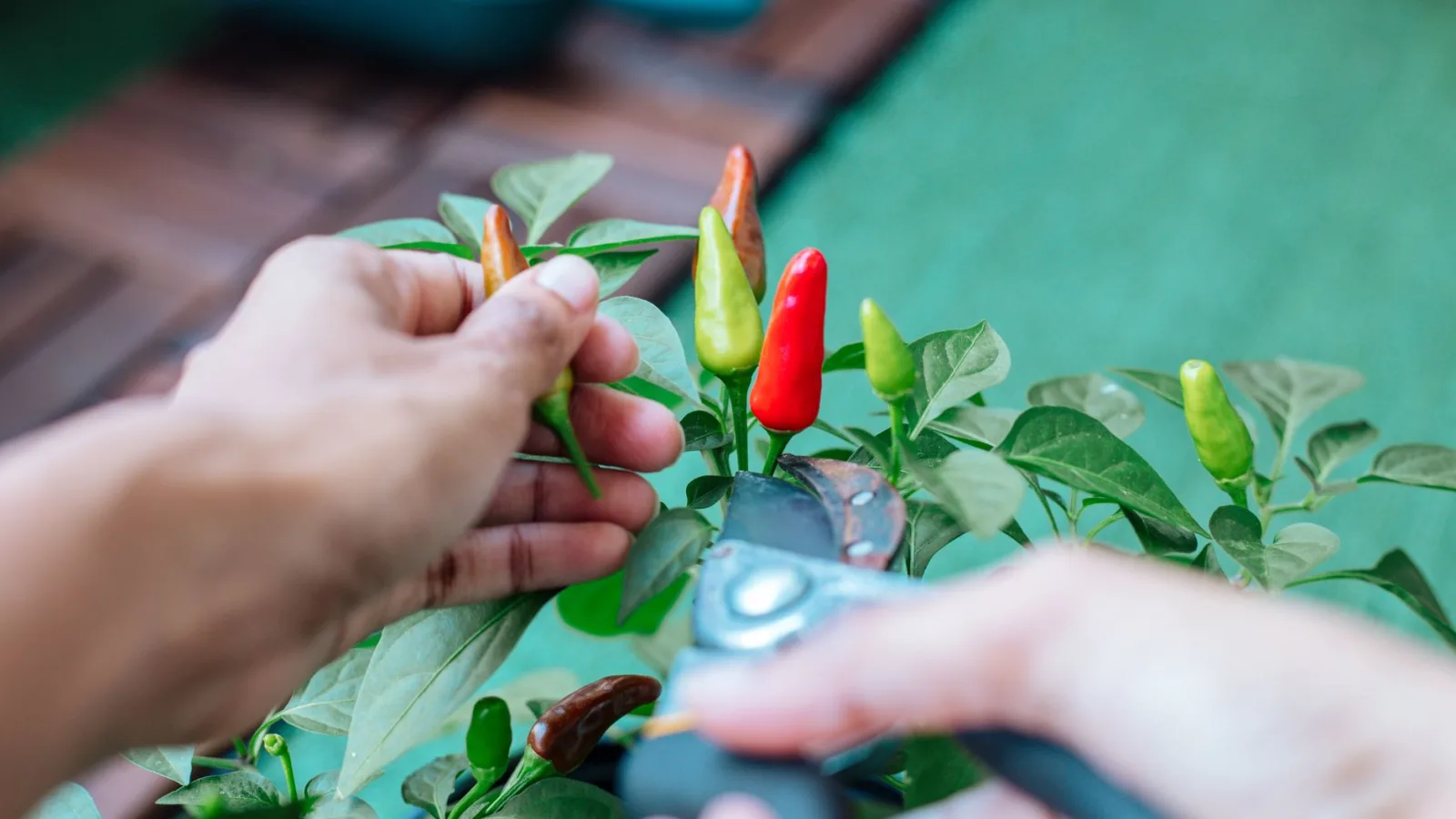
When you pull up the black plastic laid down between the chili pepper rows after the monsoon rains have passed, the stretches that sat under two months of summer sun crumble at your fingertips. It won't lift as a single sheet — it breaks off in pieces the size of a thumbnail, and those pieces work down into the soil and are still there the following spring.
A study asking where plastic fragments smaller than 5mm accumulate most in farmland soil — comparing fields in several countries using a single method — appeared in an environmental journal in 2026. Researchers selected farmland that uses plastic mulch across regions with different climates, corrected for the problem of analytical values varying from lab to lab, and then compared the amounts in relative terms.
Soil and weather mattered more than farming practice
What shaped accumulation most was the physical character of the soil and the climate. More than how the plastic was laid or when it was taken up — the practices and materials a grower controls — the properties of the soil itself accounted for the differences between regions. The likely reason is that particle size and compaction change how long fragments linger near the surface.
Weather cut both ways. Places with heavy rainfall had less accumulation; places with high temperatures had more. The researchers read this as rainwater washing fragments elsewhere while heat broke the plastic down faster. In a climate like Korea's, with hot summers, plastic degrades quickly — so if you miss the window for pulling it up, fragments are likely to stay in the bed.
Even within one field, it varies spot to spot
Which types of plastic turned up differed sharply by region. But between the soil surface and 30cm down, differences by depth were not pronounced, and the gap between two spots within the same region was often larger than the gap between depths. What went into that particular spot, and how water and roots move through that particular soil, mattered more.
That said, the polymer identifications aren't yet settled enough to read as conclusions. Labs don't use standardized equipment or reference libraries, and plastics long weathered by sun and rain are underrepresented in those libraries to begin with. The researchers themselves wrote that the type results should be treated as indicative. What microplastics in soil do to the human body hasn't been sorted out either. So the job in the garden right now is less about worrying and more about reducing what goes in.
What you can reduce in a home garden
The soil and climate this study points to aren't things a gardener can change. What you can change is how much plastic goes into the bed and when you take it up.
- Pull it up before it degrades: Plastic that has sat through a summer comes away in pieces when you tug it. Take it up as soon as harvest ends. Film 0.05mm thick or heavier tends to lift as one sheet, where 0.03mm doesn't.
- Rake the ground you've cleared: Run a rake over the surface to pick out any fragments left behind, and turn the soil after that. Reverse the order and you mix the pieces down into the bed.
- Try a different mulch: If weed suppression is the goal, try rice straw or rice hulls laid 5cm deep. Leave it in place and it becomes next year's compost.
- Replace worn-out gear: Cracked black nursery pots, snapped twine, and broken seedling trays shed the same fragments. When you see cracks, swap them out.
- Wash what you harvest: For root vegetables and leafy greens that hold soil, shake them off once in the garden, then rinse them again under running water in the kitchen.
Next time you're out in the garden, lift the edge of the plastic in your pepper rows. If it crumbles at your fingertips, that's a bed to clear the week you finish harvesting.
Reference — study of microplastics in farmland soils across several countries, published in the journal Environmental Pollution, 2026