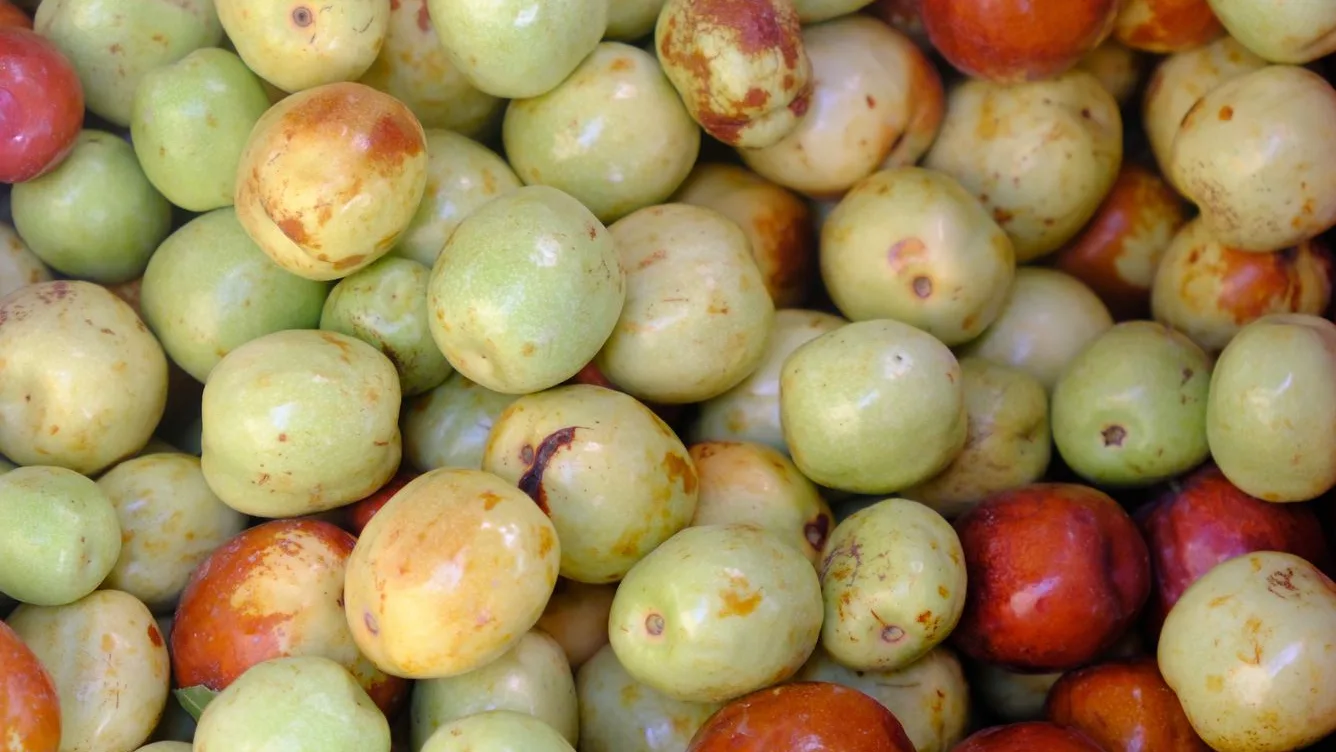
In the Northern Hemisphere, by late September the pale green fruits on jujube branches begin turning a reddish brown, one by one. Once you've picked the ripe fruit in September and October, you have a decision to make: eat them as they are, or spread them out in the sun to dry? That choice is also what people ask about most when they go looking for jujubes. Which is easier on the body, fresh or dried? And how many a day is about right?
What Drying Takes Away, and What It Concentrates
The jujube (Ziziphus jujuba), often sold as red dates or Chinese dates, is the fruit of the jujube tree and is widely grown in China, Korea, Iran, and India. Freshly picked, the fruit is crisp and juicy. Dried, its skin wrinkles and its sweetness deepens. As the water leaves, each component changes to a different degree.
- Vitamin C: Because it's water-soluble, it drops sharply during drying.
- Sugar: It becomes concentrated as the water evaporates, so dried jujubes are roughly 70% sugar by weight.
- Dietary fiber: Like sugar, it gets concentrated, so the same weight holds more of it.
- Triterpenic acids: These are found in the skin and flesh, so you take them in when you eat the fruit skin and all.
Gram for gram, then, dried jujubes deliver more sugar and fiber, while fresh jujubes have more vitamin C. If vitamin C is what you're after, eat them fresh in season. For a snack to keep on hand and nibble over time, or for brewing tea, reach for dried.
Search for jujube health benefits and you'll often run into studies on polysaccharides. The experiments that measured antioxidant markers using polysaccharides extracted from jujubes were mostly done in test tubes and in animals. Evidence from human studies is still limited, so it's hard to expect the same effects from simply eating jujubes.
What Happens When You Eat Too Many Fresh Jujubes
The Donguibogam, a 17th-century Korean medical encyclopedia, notes that eating too many fresh jujubes causes bloating and diarrhea, and adds that they should be steamed before eating. This is a record from an old medical text, not the verdict of modern medicine. Still, a look at the fruit hints at the reason. Fresh jujubes have tough skins and plenty of fiber, so eating several at once slows digestion. If you've ever grabbed handfuls of fresh jujubes in season and ended up feeling bloated, you've experienced exactly what that old text describes.
When you have a big haul of just-picked jujubes, enjoy a few raw and steam the rest. Steamed over boiling water until the skins soften, they're easier to eat than raw ones.
How Many Dried Jujubes a Day?
Among fruits, dried jujubes sit at the more sugar-concentrated end. Chewy and sweet, they're easy to keep reaching for, but even a few can quickly add up in sugar. If you're managing your blood sugar, decide in advance how many you'll eat.
As a snack, two or three at a time is about right. Rather than eating them on their own, try pairing them with nuts. Slit a dried jujube, remove the pit, and tuck a piece of walnut or a hazelnut into the space. The fat rounds out the sweetness, and blood sugar tends to rise more slowly than it would with a sugar-only snack.
Keep the same thing in mind when you drink jujube tea. Sugar dissolves into the water as the jujubes steep, so setting a number of cups for the day makes it easier to keep track of how much you're having.
Pit Them, and Split Them
Jujube pits are hard and pointed at the ends, so biting down on one without thinking can damage a tooth. A child eating a jujube whole might also swallow the pit, so remove the pits before giving jujubes to kids.
The Donguibogam also records a preparation tip: split jujubes before adding them to an herbal decoction. The same step comes in handy when you make tea. Slicing them open with a knife lets the flavor steep out more readily, and they're safer to handle than whole fruit with the pits still inside. Simmer dried jujubes with ginger and gyulpi (dried tangerine peel) for a tea that's lovely in winter. The jujubes' sweetness tempers the heat of the ginger and the slight bitterness of the peel.
Want Fresh Jujubes? Start with One Tree in a Pot
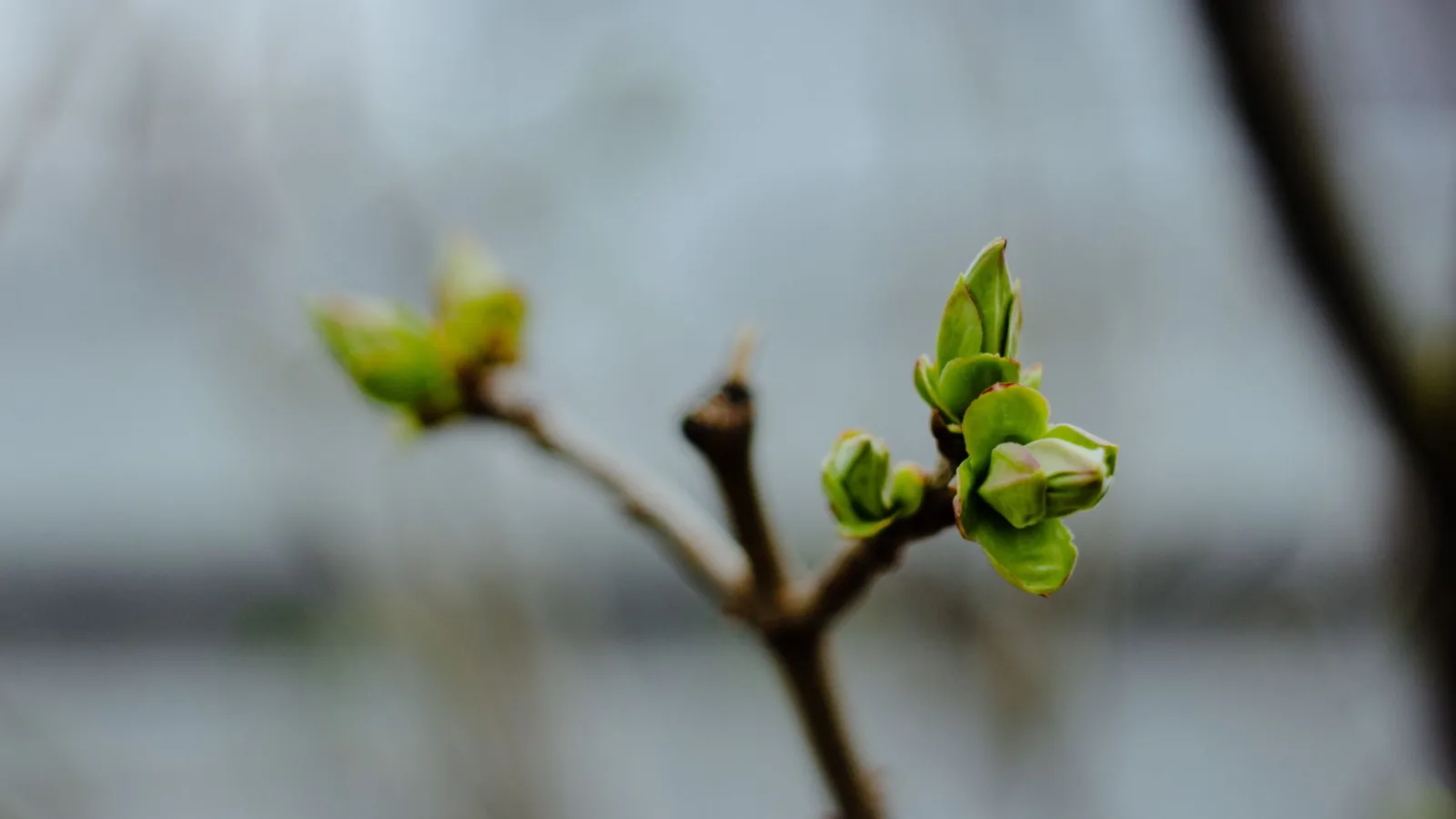
If you'd like to taste fresh, in-season jujubes yourself, plant a young tree in March or April (Northern Hemisphere). It won't fruit the year you plant it; you'll usually wait 2 to 3 years for the first crop. In spring it leafs out late, so it's easy to mistake for dead. Jujubes are self-fruitful, setting fruit with their own pollen, so a single tree is enough for a harvest. That makes one tree in a container an easy commitment. You can find planting times, nutrients, and food pairings all in one place in the Homiclub Jujube Crop Guide.
If you're reaching for dried jujubes today, take out just two or three, pit them, and tuck a piece of walnut into each one.
Source: Donguibogam, Fruits section (果部), "Daejo" (大棗, jujube).